FAME-II scheme backed sale of 16.72 lakh EVs; PM E-DRIVE targets 28.30 lakh more
Synopsis
India's FAME-II scheme closed its five-year run having backed 16.72 lakh EV sales and 9,583 charging stations — but the government isn't pausing. With PM E-DRIVE targeting 28.30 lakh more vehicles and ₹3,435 crore committed to 38,000 e-buses, the scale of ambition has grown sharply. The real test is whether domestic battery manufacturing and charging infrastructure can keep pace.
Key Takeaways
FAME-II supported the sale of approximately 16.72 lakh electric vehicles and deployed 5,299 e-buses as of 31 July .
The scheme ran for five years (April 2019–March 2024) with a total outlay of ₹11,500 crore and enabled 9,583 EV public charging stations.
The follow-on PM E-DRIVE Scheme , launched on 29 September 2024 with ₹10,900 crore , targets incentivisation of 28.30 lakh EVs including e-Trucks and e-Ambulances.
The PM e-Bus Sewa–PSM Scheme (outlay: ₹3,435.33 crore ) covers 27,555 e-buses as of 10 July 2026 , against a target of more than 38,000 .
PLI schemes for automobiles ( ₹25,938 crore ) and ACC battery storage ( ₹18,100 crore ) are expected to bolster domestic EV manufacturing.
GST on EVs and charging stations has been reduced to 5% ; road tax and permit requirements for battery-operated vehicles have been waived.
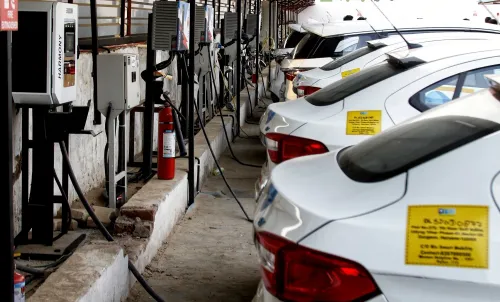
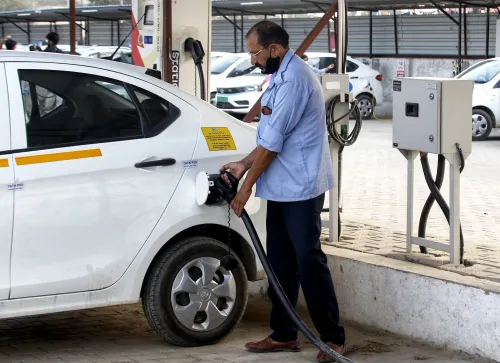
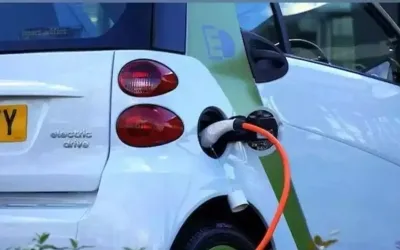
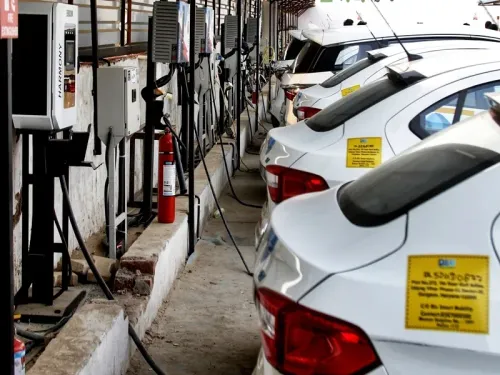
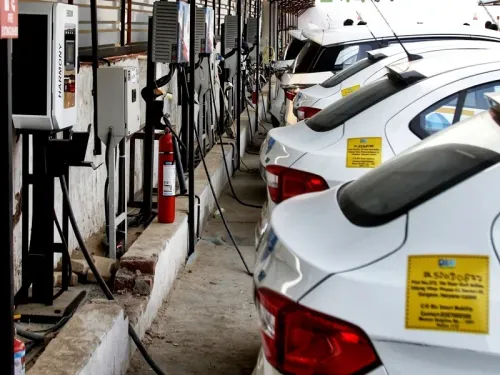
The Centre's Faster Adoption and Manufacturing of Hybrid and Electric Vehicles (FAME India) Scheme Phase-II has supported the sale of approximately 16.72 lakh electric vehicles — spanning e-2Ws, e-3Ws, and e-4Ws — and facilitated the deployment of 5,299 electric buses as of 31 July, the Ministry of Heavy Industries stated on 12 August. The five-year scheme, which ran from 1 April 2019 to 31 March 2024 with a total budgetary support of ₹11,500 crore, also enabled the installation of 9,583 EV public charging stations across the country.
FAME-II: Key Outcomes
The FAME-II programme was designed to accelerate EV adoption by subsidising purchase costs and building out charging infrastructure. Its five-year run covered the critical post-pandemic recovery period, during which India's EV market saw a sharp uptick in two-wheeler and three-wheeler penetration. The 9,583 public charging stations installed under the scheme represent a foundational layer of the national charging network, though industry bodies have consistently flagged the need for denser coverage — particularly on highways and in Tier-2 cities.
PM E-DRIVE: The Follow-On Push
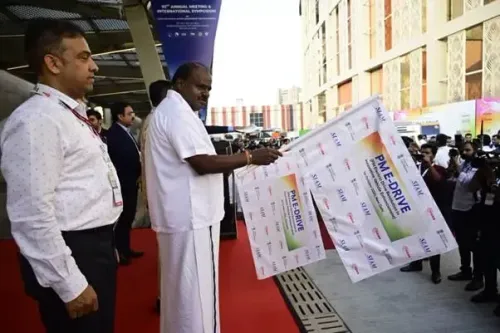
With FAME-II concluded, the government launched the PM Electric Drive Revolution in Innovative Vehicle Enhancement (PM E-DRIVE) Scheme on 29 September 2024, with an outlay of ₹10,900 crore. The scheme is designed to incentivise approximately 28.30 lakh EVs, including e-2Ws, e-3Ws, e-Trucks, e-buses, and e-Ambulances — broadening the vehicle category coverage beyond its predecessor. An allocation of ₹4,391 crore has been earmarked for 14,028 e-buses, of which 14,000 have already been allocated. A further ₹2,000 crore has been set aside for pan-India EV public charging infrastructure.
E-Bus Deployment: Multiple Schemes in Play
The PM e-Bus Sewa–Payment Security Mechanism (PSM) Scheme, notified on 28 October 2024 with an outlay of ₹3,435.33 crore, aims to support the deployment of more than 38,000 electric buses. As of 10 July 2026, the scheme covers 27,555 e-buses in total — comprising 10,000 under the PM e-Bus Sewa Scheme of the Ministry of Housing and Urban Affairs, 14,000 under PM E-DRIVE, and 3,555 under various state government initiatives. The layered structure reflects a deliberate Centre-state co-financing model to accelerate fleet electrification in urban transit.
Manufacturing Incentives and Tax Breaks
On the supply side, the Production Linked Incentive (PLI) Scheme for Automobile and Auto Component Industry carries a budgetary outlay of ₹25,938 crore and targets advanced automotive technology products including EVs. Complementing this, the PLI Scheme for Advanced Chemistry Cell (ACC) Battery Storage — with an outlay of ₹18,100 crore — aims to establish domestic manufacturing capacity for 50 GWh of ACC batteries, of which 40 GWh has been awarded to four beneficiary firms. The Phased Manufacturing Programme (PMP) further mandates domestic production of EV components, including battery packs, in a phased manner.
On the demand side, the government has reduced GST on electric vehicles and charging stations to 5%, exempted battery-operated vehicles from permit requirements, and waived road tax on EVs — measures aimed at lowering the total cost of ownership for buyers, according to the official factsheet.
What Comes Next
With PM E-DRIVE and the PSM scheme now the primary policy levers, the government's cumulative EV support architecture spans vehicle incentives, bus fleet electrification, charging infrastructure, and domestic manufacturing — a multi-layered approach that analysts say is necessary to hit India's broader clean mobility targets. The effectiveness of this ecosystem will depend on the pace of e-bus deliveries, charging network densification, and whether PLI-backed battery manufacturing scales as projected.
Point of View
583 charging stations over five years — are notable, but they need to be read against India's total vehicle sales, where EVs still account for a small share. The transition from FAME-II to PM E-DRIVE is structurally sound, but the shift to a broader vehicle category (e-Trucks, e-Ambulances) raises questions about subsidy targeting and leakage risk. More critically, the 40 GWh of ACC battery capacity awarded to four firms is end-use agnostic — meaning EV deployment timelines remain hostage to whether that capacity actually comes online as projected. The policy architecture is ambitious; the execution record, on battery manufacturing in particular, warrants close scrutiny.
NationPress
26 Sept 2026
Frequently Asked Questions
What did the FAME-II scheme achieve for electric vehicles in India?
The FAME-II scheme supported the sale of approximately 16.72 lakh electric vehicles — including e-2Ws, e-3Ws, and e-4Ws — and deployed 5,299 e-buses as of 31 July. It also facilitated the installation of 9,583 EV public charging stations during its five-year run from April 2019 to March 2024.
What is the PM E-DRIVE scheme and how does it differ from FAME-II?
The PM E-DRIVE Scheme, launched on 29 September 2024 with an outlay of ₹10,900 crore, is the successor to FAME-II and targets incentivisation of approximately 28.30 lakh EVs. Unlike FAME-II, it extends coverage to e-Trucks and e-Ambulances in addition to e-2Ws, e-3Ws, and e-buses, and includes a grant for upgradation of testing agencies.
How many electric buses are covered under government schemes as of 2026?
As of 10 July 2026, the PM e-Bus Sewa–PSM Scheme covers 27,555 e-buses in total — 10,000 under the PM e-Bus Sewa Scheme, 14,000 under PM E-DRIVE, and 3,555 under various state government initiatives. The PSM scheme ultimately aims to support deployment of more than 38,000 electric buses.
What tax benefits are available for electric vehicle buyers in India?
The government has reduced GST on electric vehicles and charging stations to 5%, waived road tax on EVs, and exempted battery-operated vehicles from permit requirements. These measures are aimed at reducing the total cost of EV ownership for Indian buyers.
How is the government supporting domestic EV manufacturing?
Two PLI schemes underpin domestic manufacturing: the PLI Scheme for Automobile and Auto Component Industry (₹25,938 crore outlay) and the PLI Scheme for ACC Battery Storage (₹18,100 crore outlay), which targets 50 GWh of domestic battery capacity — of which 40 GWh has been awarded to four firms. The Phased Manufacturing Programme (PMP) additionally mandates phased domestic production of EV components including battery packs.