PM-KISAN 24th Instalment: ₹1,835 Cr Reaches 91 Lakh Maharashtra Farmers
Synopsis
Prime Minister Narendra Modi disbursed the 24th PM-KISAN instalment at a Banaskantha event, crediting ₹1,835 crore to over 91 lakh Maharashtra farmers. Nationally, more than 9.34 crore farmers received ₹18,690.32 crore. CM Devendra Fadnavis joined online from Mumbai.
Key Takeaways
91,12,765 Maharashtra farmers received ₹1,835 crore under the 24th PM-KISAN instalment on 30 October 2026 .
Nationally, more than 9.34 crore farmers received a combined ₹18,690.32 crore in the same disbursal.
PM Modi stated central policies have delivered or saved farmers over ₹50 lakh crore in total since 2014, including ₹4 lakh crore via PM-KISAN alone.
Roughly 12 lakh solar pumps under PM-KUSUM have displaced more than 80 crore litres of diesel ; average daily milk yield has risen from under 5 litres (2013-14) to ~8 litres . ~150 crore vaccine doses have been given to livestock under a free foot-and-mouth disease drive, benefiting more than 8 crore farmers .
CM Devendra Fadnavis joined the event virtually from Varsha, Mumbai ; PM Modi also called on citizens to join Run for Unity on 31 October .
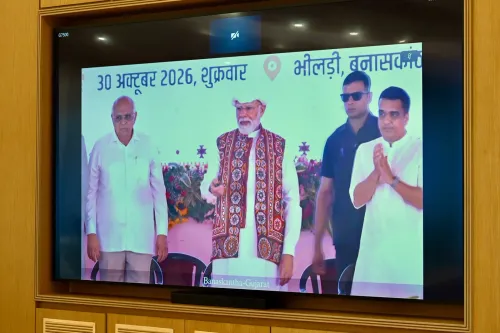
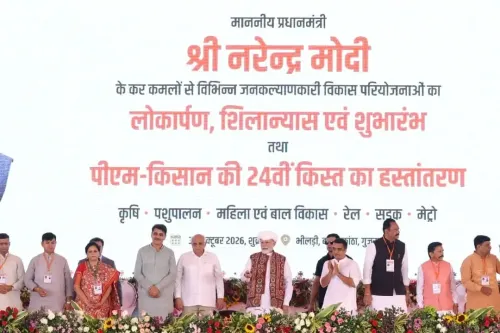
Over 91 lakh farmers in Maharashtra woke up to a direct credit on Friday, 30 October 2026, as Prime Minister Narendra Modi released the 24th instalment of the Pradhan Mantri Kisan Samman Nidhi (PM-KISAN) scheme — pushing ₹1,835 crore straight into their bank accounts in a single disbursement event. Nationally, more than 9.34 crore farmers received a combined ₹18,690.32 crore, in what the Chief Minister's Office of Maharashtra confirmed is the scheme's largest single-day rural transfer in recent memory.
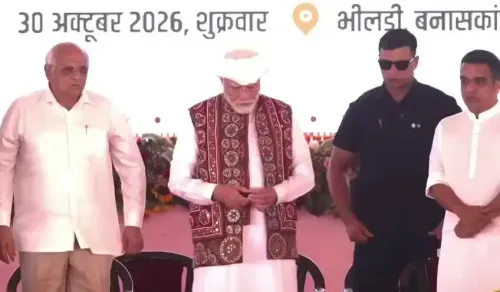
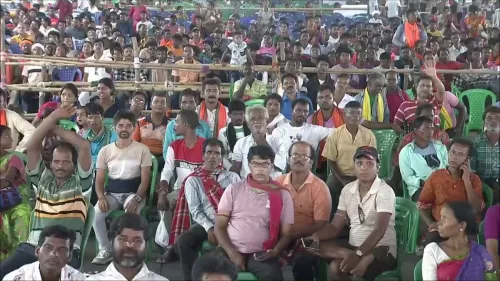
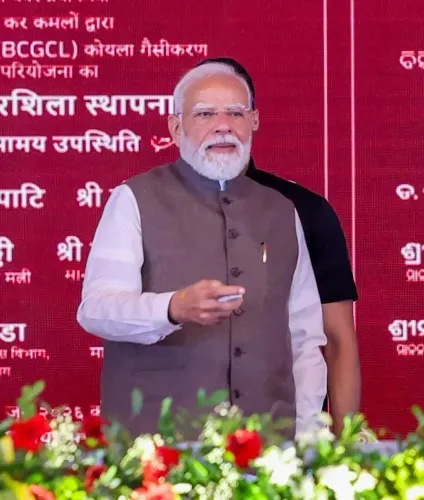
The formal disbursal took place at a programme held in Banaskantha, Gujarat, where Prime Minister Modi presided over the transfer. Chief Minister Devendra Fadnavis joined the event online from Varsha, his official residence in Mumbai — a symbolic gesture of state-level ownership over a centrally-funded benefit. The Maharashtra tally of 91,12,765 beneficiaries and ₹1,835 crore underscores the state's weight in India's agrarian welfare architecture.
₹50 Lakh Crore in Savings and Support: Modi's Decade-Long Ledger
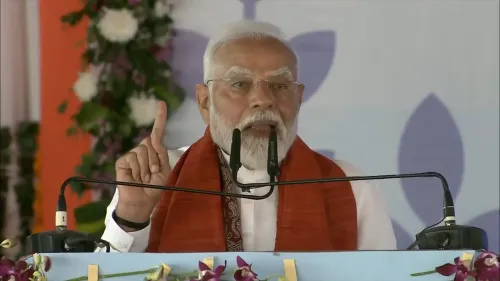
Prime Minister Modi used the Banaskantha stage to lay out a sweeping account of agricultural transfers over the past decade. Central government policies, he said, have collectively delivered or saved farmers more than ₹50 lakh crore — a figure that spans direct income support, fertiliser subsidies, Minimum Support Price (MSP) procurement, and crop insurance payouts.
On PM-KISAN alone, the Prime Minister noted that roughly ₹4 lakh crore has been credited directly to bank accounts since the scheme's launch in 2018-19. He pointed out that more than 85 percent of India's farmers are small and marginal landholders — precisely the segment the scheme targets with its annual ₹6,000 income support in three equal instalments.
Even as global fertiliser prices spiked, the Centre absorbed the burden rather than passing it on. The government has spent approximately ₹16 lakh crore keeping fertilisers affordable, Modi said. Over the past 12 years, wheat and paddy farmers have received ₹24 lakh crore through MSP-based procurement. The Pradhan Mantri Fasal Bima Yojana — the national crop insurance scheme launched in 2016 — has paid out more than ₹2 lakh crore in claims over a decade.
Solar Pumps, Climate Seeds, and Healthier Cattle
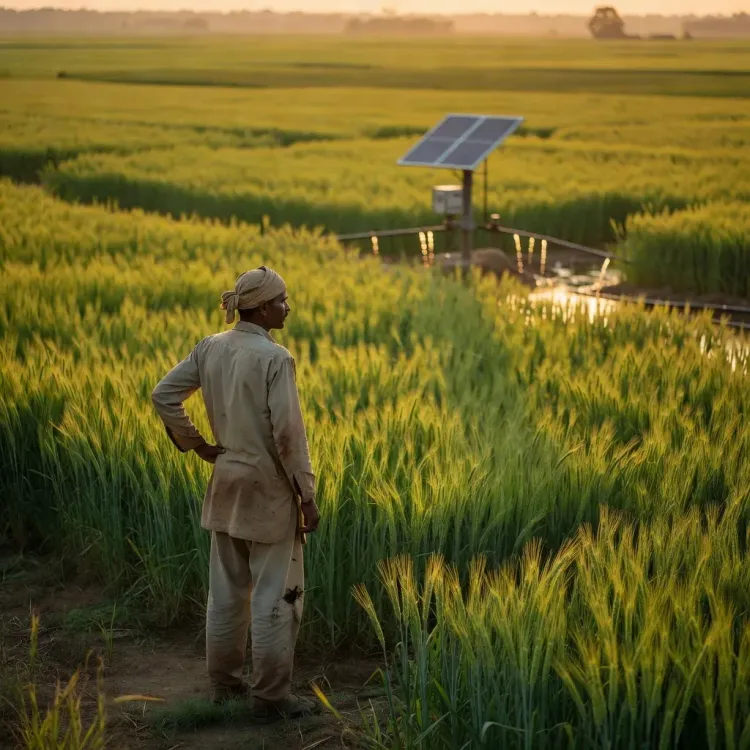
Beyond cash transfers, Modi highlighted the technology layer being laid under Indian agriculture. Under PM-KUSUM — the scheme approved in 2019 to promote solar energy in farming — roughly 12 lakh solar pumps have been installed nationwide. Those pumps have collectively displaced more than 80 crore litres of diesel, cutting both cost and carbon emissions, while farmers with surplus solar generation earn additional income feeding power back to the grid.
Seed innovation is another front: approximately 3,000 new crop varieties bred for climate resilience have been made available to farmers, the Prime Minister noted, a direct response to erratic monsoons and rising temperatures threatening yield stability.
Animal husbandry received equal attention. The National Gokul Mission, launched in 2014 to conserve and scientifically improve indigenous bovine breeds, has run alongside a nationwide free vaccination drive against foot-and-mouth disease. Around 150 crore vaccine doses have been administered, protecting the livestock of more than 8 crore farmers. The payoff is visible in productivity: average daily milk yield from cows and buffaloes has climbed from under 5 litres in 2013-14 to around 8 litres today, Modi said.
Run for Unity Call on Sardar Patel's Birth Anniversary
The Prime Minister also used the occasion to issue a public call ahead of 31 October — the birth anniversary of Sardar Vallabhbhai Patel, India's first Deputy Prime Minister. Modi urged citizens, especially the youth, to participate in large numbers in the 'Run for Unity' held annually to mark the occasion. The appeal, delivered at a farmers' event, was a characteristic weaving of agrarian welfare with national commemorative culture.
For Maharashtra's 91 lakh-plus farmers, however, the headline today is simpler: the money is already in the account. Whether the 25th instalment arrives on schedule — and whether PM-KUSUM's solar pump rollout accelerates to meet demand — will be the real measure of momentum.
Point of View
Fertiliser subsidies, MSP procurement, and livestock productivity in a single address, the government is constructing a composite 'farmer welfare' narrative ahead of the agricultural year-end. For Maharashtra, a state with a complex agrarian history and recurring farmer distress cycles, the ₹1,835 crore credit offers a visible, dateable welfare moment — one that state leadership, represented by CM Fadnavis's virtual presence, is clearly keen to own. The open question is whether income-support transfers alone shift structural vulnerability, or whether the technology and input-subsidy layer — seeds, solar pumps, insurance — ultimately does more of the lasting work.
NationPress
30 Oct 2026
Frequently Asked Questions
What is the PM-KISAN scheme and how much do farmers get?
PM-KISAN is a central government scheme that provides ₹6,000 per year in direct income support to landholding farmer families, paid in three equal instalments of ₹2,000 each directly into bank accounts. It was launched in December 2018.
How many Maharashtra farmers received the 24th PM-KISAN instalment?
Exactly 91,12,765 farmers in Maharashtra received the 24th PM-KISAN instalment, with ₹1,835 crore credited directly to their bank accounts on 30 October 2026.
Where was the PM-KISAN 24th instalment event held?
The national event was held in Banaskantha, Gujarat, where Prime Minister Narendra Modi presided over the transfer. Maharashtra Chief Minister Devendra Fadnavis participated online from Varsha, his official residence in Mumbai.
How much has the government spent on fertiliser subsidies for farmers?
According to Prime Minister Modi's address at the event, the central government has spent approximately ₹16 lakh crore to keep fertilisers affordable for farmers even as global prices rose.
What is the PM-KUSUM scheme and how many solar pumps have been installed?
PM-KUSUM is a central scheme approved in 2019 to promote solar energy in agriculture. Around 12 lakh solar pumps have been installed so far, saving more than 80 crore litres of diesel and reducing irrigation costs for farmers.