PM Modi Attends Defence Investiture Ceremony 2026 Phase-1
Synopsis
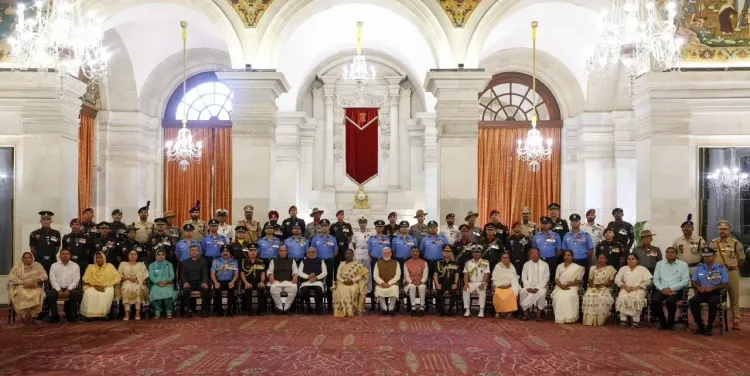
Prime Minister Narendra Modi attended the Defence Investiture Ceremony 2026 (Phase-1) on June 8, where Gallantry Awards were conferred on Indian Armed Forces personnel. Modi praised their 'extraordinary courage, commitment and selfless service,' with further phases of the ceremony expected to follow.
Key Takeaways
Prime Minister Narendra Modi personally attended the Defence Investiture Ceremony 2026 (Phase-1) on June 8, 2026 .
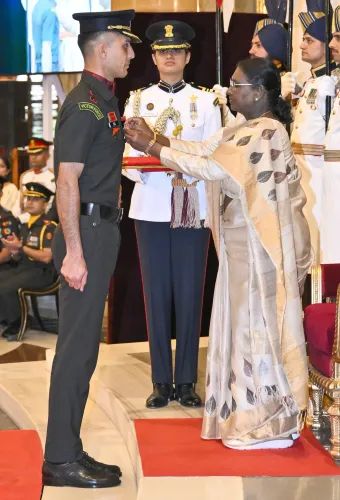
Gallantry Awards — including honours such as the Param Vir Chakra and Ashoka Chakra — were conferred upon personnel of the Indian Armed Forces .
Modi described the awardees as showing 'extraordinary courage, commitment and selfless service to the nation.' The ceremony is designated Phase-1 , indicating further phases with additional awardees are planned for 2026 .
India has held formal defence investiture ceremonies since independence to honour military valour in operations and service.
The government has linked such events to broader priorities including veterans' welfare and defence modernisation under Aatmanirbhar Bharat .
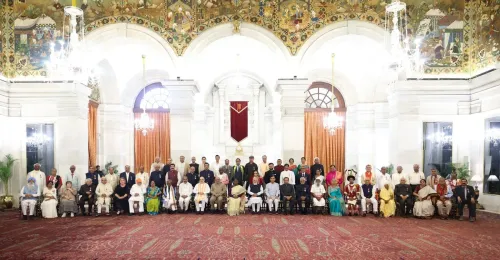
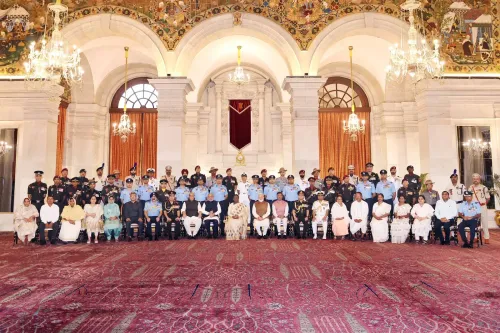
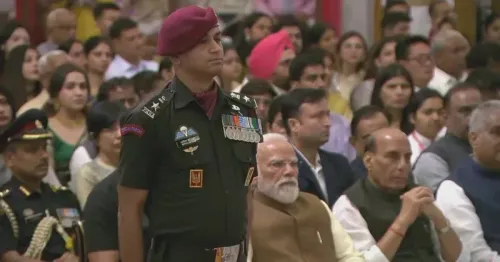
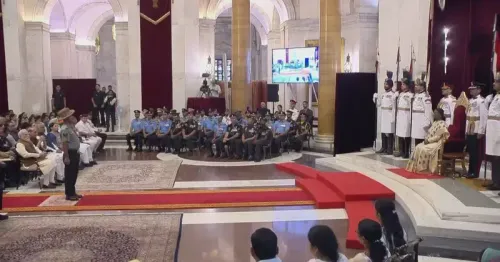
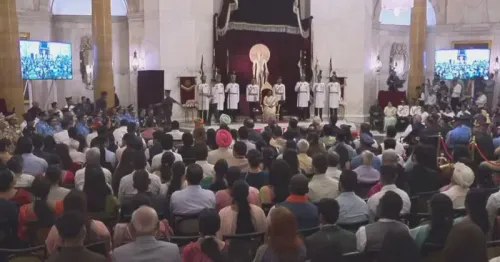
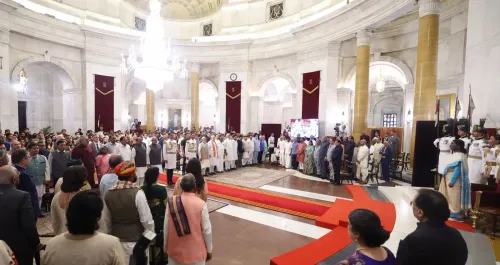
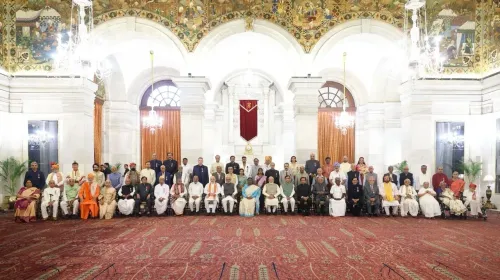
Prime Minister Narendra Modi attended the Defence Investiture Ceremony 2026 (Phase-1) on Monday, June 8, 2026, where Gallantry Awards were conferred upon personnel of the Indian Armed Forces in recognition of their bravery and service to the nation.
Context
Posting on X, Prime Minister Modi said: 'Attended the Defence Investiture Ceremony 2026 (Phase-1) where Gallantry Awards were conferred upon our brave personnel. We are proud of their extraordinary courage, commitment and selfless service to the nation.' The ceremony marks one of the most solemn occasions in India's military calendar, bringing together the highest offices of the republic to honour those who have demonstrated exceptional valour.
Gallantry Awards — which include honours such as the Param Vir Chakra and the Ashoka Chakra — represent the highest military recognition the Indian state bestows. They are awarded for acts of conspicuous bravery in the face of the enemy or in other hazardous circumstances, and are presented through formal investiture ceremonies held periodically since India's independence.
Policy Backdrop
The tradition of investiture ceremonies stretches back to the earliest years of the Indian republic, serving as a constitutional and ceremonial bridge between civilian leadership and the armed forces. Prime Ministers have regularly attended such events to underscore the government's commitment to recognising military valour — particularly in the context of counter-insurgency operations and border security challenges.
The current government has consistently linked its participation in defence ceremonies to a broader policy push, encompassing indigenous defence manufacturing under the Aatmanirbhar Bharat initiative and ongoing modernisation of the Army, Navy, and Air Force. These events are also seen as a signal of political solidarity with the armed forces and the veterans' community.
Stakeholders and Impact
The primary beneficiaries of the ceremony are the decorated personnel themselves and their families, for whom the formal recognition carries deep personal and professional significance. The broader veterans' community and serving members of the Indian Armed Forces also look to such ceremonies as an affirmation that acts of sacrifice are acknowledged at the highest levels of government.
For the families of those honoured posthumously — a category that frequently features in Gallantry Award citations — the investiture ceremony provides an official moment of national acknowledgement. Civil society and defence-policy observers regard the Prime Minister's personal attendance as a marker of institutional priority accorded to military welfare.
What's Next
The designation of the event as Phase-1 indicates that subsequent phases of the 2026 Defence Investiture Ceremony are scheduled, at which additional awardees are expected to be honoured. Observers will watch for any accompanying announcements on veterans' welfare schemes, defence procurement, or force-modernisation milestones that have historically been timed around such high-profile occasions.
As India continues to navigate complex security environments on its borders, the government's visible engagement with military honour ceremonies is likely to remain a consistent feature of the political calendar, reinforcing the civil-military relationship at a symbolic and institutional level.
Point of View
The government reinforces its positioning as a champion of military welfare and national security, a narrative that has been central to the BJP's electoral identity since 2014. The Phase-1 designation also keeps the ceremony in public discourse across multiple news cycles, amplifying its political salience. Analysts will note that such ceremonies increasingly function as a platform to signal continuity of the broader defence-modernisation agenda.
NationPress
19 Sept 2026
Frequently Asked Questions
What is the Defence Investiture Ceremony in India?
The Defence Investiture Ceremony is a formal government event at which Gallantry Awards and distinguished service honours are officially presented to Indian Armed Forces personnel, typically by senior constitutional authorities including the President and Prime Minister.
What Gallantry Awards are given at the Defence Investiture Ceremony?
Gallantry Awards conferred at such ceremonies include the Param Vir Chakra, Maha Vir Chakra, Vir Chakra, Ashoka Chakra, Kirti Chakra, and Shaurya Chakra, recognising varying degrees of bravery in combat and other hazardous conditions.
Why did PM Modi attend the Defence Investiture Ceremony 2026?
Prime Minister Modi attended the Defence Investiture Ceremony 2026 (Phase-1) to personally honour Indian Armed Forces personnel who received Gallantry Awards, expressing the government's pride in their courage and service.
What does Phase-1 of the Defence Investiture Ceremony mean?
The Phase-1 designation indicates that the 2026 Defence Investiture Ceremony is being conducted in multiple stages, with additional awardees expected to be honoured in subsequent phases.
How often are Defence Investiture Ceremonies held in India?
Defence Investiture Ceremonies are held periodically — typically multiple times a year — to present awards that have been approved by the government, ensuring timely recognition of military personnel's bravery and service.