PM Modi attends IIT Delhi Convocation, urges graduates to build Viksit Bharat
Synopsis
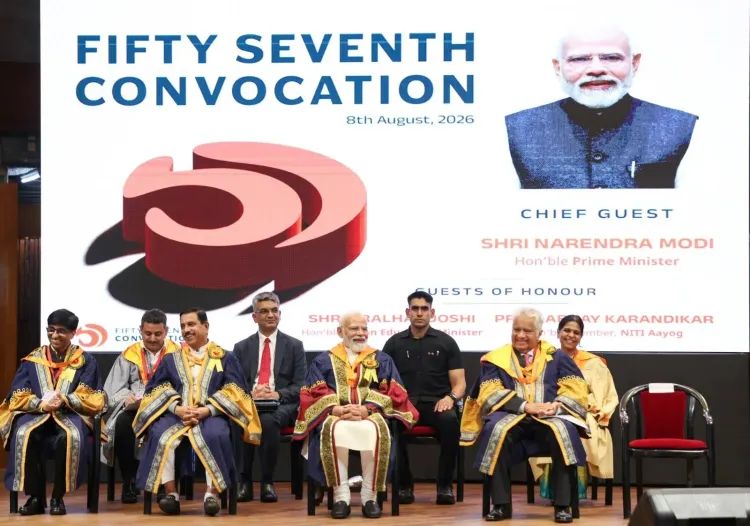
Prime Minister Narendra Modi attended the IIT Delhi Convocation on August 8, 2026, urging graduates to dream big and contribute to Viksit Bharat — the government's vision to make India a developed nation by 2047, linking top engineering talent directly to national ambition.
Key Takeaways
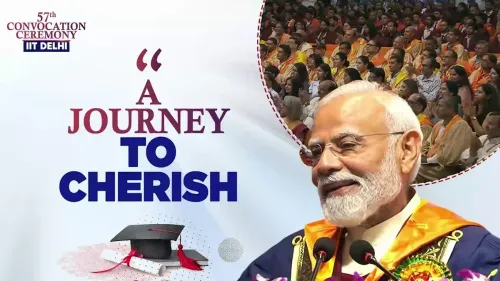
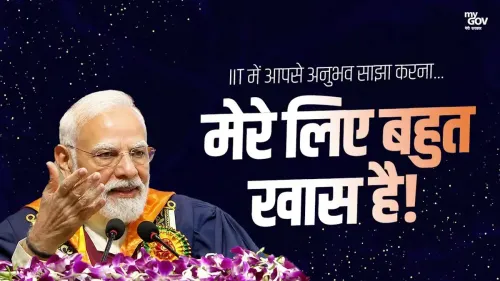
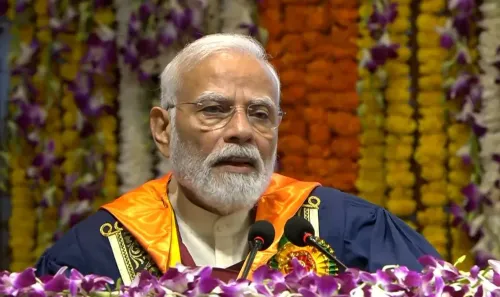
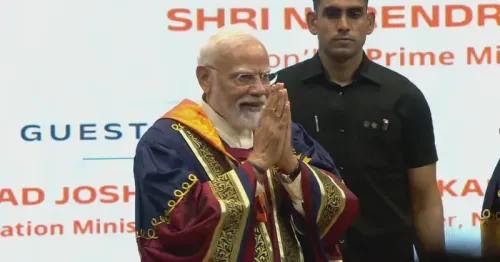
Prime Minister Narendra Modi attended the IIT Delhi Convocation in person on August 8, 2026 .
Modi urged graduates to 'dream big, embrace challenges and contribute to building a Viksit Bharat .' Viksit Bharat is the government's vision to make India a fully developed nation by 2047 .
IIT Delhi was established in 1961 as one of India's original five Institutes of Technology.
Modi has attended multiple IIT convocations since 2014 as part of sustained engagement with technical higher education.
The National Education Policy 2020 is driving multidisciplinary reform and higher enrolment across institutions including IITs.
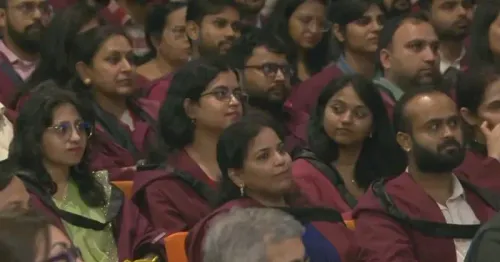
A graduating class at one of India's most storied technical institutions heard directly from Prime Minister Narendra Modi on Saturday, August 8, 2026 — a reminder that the ambitions of IIT Delhi's newest alumni are now officially woven into a national project.
Modi, attending the convocation ceremony in person, extended his best wishes to the graduating students and urged them to 'dream big, embrace challenges and contribute to building a Viksit Bharat.' The phrase is not incidental — it is the load-bearing pillar of the government's development narrative, a vision to make India a fully developed nation by 2047, the centenary of independence.
IIT Delhi's place in India's engineering story
IIT Delhi was established in 1961 as one of the original five Institutes of Technology. Decades later, it remains among the country's most competitive undergraduate destinations and a significant producer of research output in engineering, technology and applied sciences. The graduates receiving their degrees on Saturday enter a job market and innovation ecosystem that the government has been deliberately reshaping — through expanded IIT campuses, increased central funding for research infrastructure, and the National Education Policy (NEP) 2020, which pushed for multidisciplinary curricula and higher gross enrolment across institutions.Why Modi keeps showing up at convocations
This is not a one-off gesture. Since 2014, Prime Minister Modi has attended multiple IIT convocations as a consistent feature of his engagement with technical higher education. The pattern is deliberate: by placing himself in the audience at graduation ceremonies, Modi frames the government not as a distant regulator of universities but as a stakeholder in what graduates do next. The Viksit Bharat framing does the connective work — it tells engineers and researchers that their careers are, in a direct sense, instruments of national transformation in technology and manufacturing. For the class of 2026, the message lands at a moment when India's ambitions in semiconductors, space technology, green energy and advanced manufacturing are all competing for exactly the kind of talent walking across that stage today. The next signal to watch: how NEP 2020 provisions translate into IIT-specific reforms, and whether the next Union Budget carries fresh announcements on campus expansion or research centre funding. Today's ceremony was a send-off — the real test is what the system builds around these graduates once they leave the auditorium.Point of View
Binding elite engineering output to the government's 2047 development agenda. With NEP 2020 still mid-implementation and IIT expansion ongoing, these appearances also serve as soft accountability moments: the government is seen to own the promise it is making to graduates. The political calculus is clear — youth and innovation are central to the BJP's long-term electoral and governance brand.
NationPress
8 Aug 2026
Frequently Asked Questions
Why did PM Modi attend the IIT Delhi Convocation 2026?
Prime Minister Modi attended to personally congratulate graduating students and reinforce the government's Viksit Bharat vision, urging engineers and researchers to contribute to India's goal of becoming a developed nation by 2047.
What is Viksit Bharat and why does Modi keep mentioning it?
Viksit Bharat is the government's flagship vision to make India a fully developed nation by 2047, the centenary of independence. Modi frequently invokes it at youth and education events to link individual careers to a larger national transformation goal.
When was IIT Delhi established?
IIT Delhi was established in 1961 as one of the original five Institutes of Technology in India, and remains one of the country's premier engineering and research institutions.
Has PM Modi attended IIT convocations before?
Yes. Since 2014, Prime Minister Modi has attended multiple IIT convocations as a regular part of his engagement with technical higher education institutions across India.
What is the National Education Policy 2020 and how does it affect IITs?
The National Education Policy 2020 aims to expand multidisciplinary education, boost research output, and increase gross enrolment in higher education. For IITs, it signals reforms in curriculum flexibility and research infrastructure funding.