PM Modi Backs Tech Cooperation in Space, AI and DPI
Synopsis
Prime Minister Narendra Modi on 7 July 2026 announced a bilateral agreement to deepen cooperation in space, telecommunications, artificial intelligence, and Digital Public Infrastructure, signalling India's continued push to shape global technology standards through strategic partnerships.
Key Takeaways
PM Modi announced on 7 July 2026 that India and a partner nation agreed to cooperate on space, telecommunications, AI, and Digital Public Infrastructure.
The five domains cited — space, telecom, AI, DPI, and emerging technologies — align directly with India's established technology diplomacy priorities.
Digital Public Infrastructure , including Aadhaar and UPI (launched 2016 ), has already been extended to multiple countries through bilateral agreements.
India's National Strategy for AI , released in 2018 , underpins its framework for international AI collaboration.
Follow-up joint working groups or memoranda of understanding are the standard next step to operationalise such summit-level commitments.
The agreement reinforces India's broader effort to influence global standards in emerging technologies while advancing strategic and economic interests.
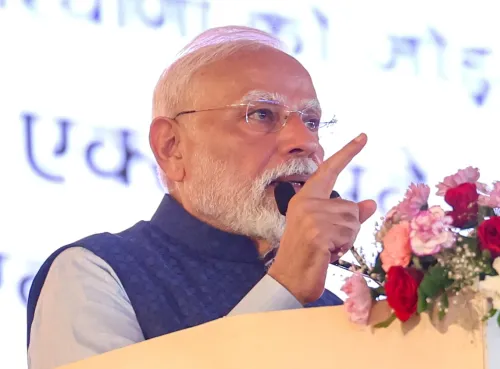
Prime Minister Narendra Modi on Tuesday, 7 July 2026 posted on X indicating that he and a foreign counterpart had agreed to deepen bilateral cooperation across several high-technology domains, including space, telecommunications, artificial intelligence, Digital Public Infrastructure, and other emerging technologies.
In his post, Modi stated: 'Looking at the future, we agreed that our nations must work closely in areas such as space, telecommunications, artificial intelligence, Digital Public Infrastructure and other emerging technologies.' The statement signals a forward-looking commitment to structured collaboration rather than a one-off exchange.
Context
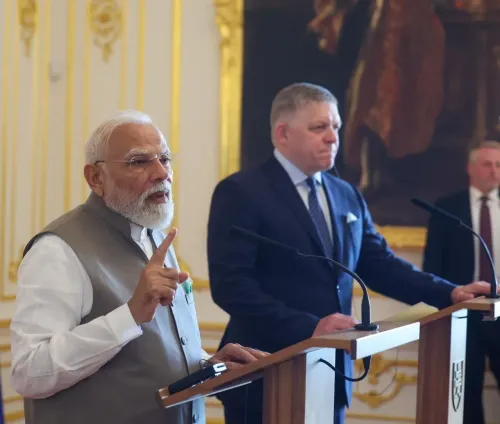
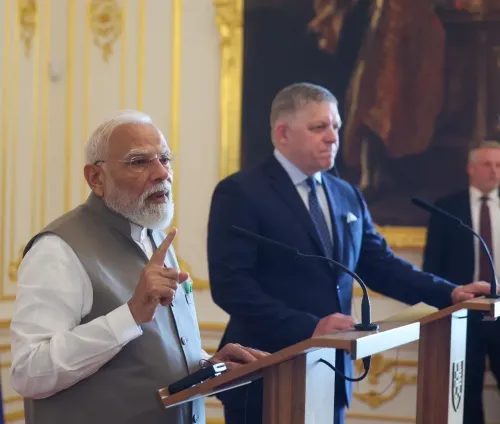
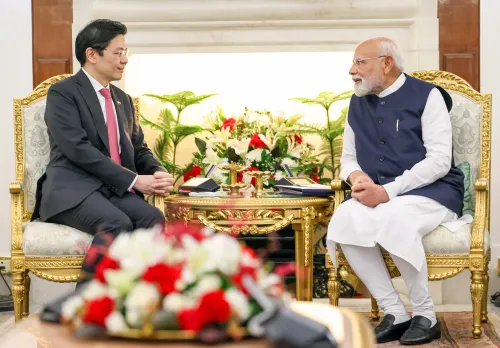
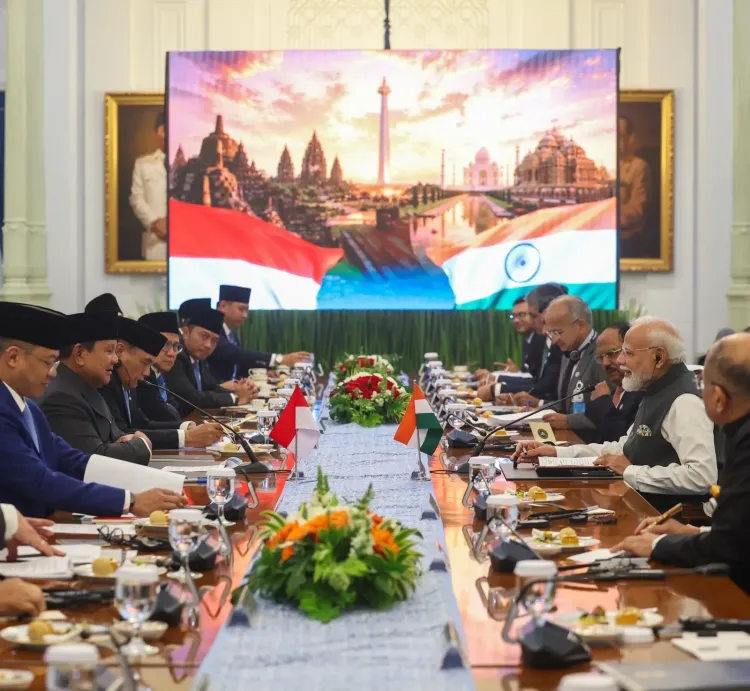
The post is framed as a readout from a bilateral engagement, with Modi referencing a mutual agreement with an unspecified partner nation. The language — 'looking at the future' and 'must work closely' — reflects the kind of joint communiqué language typically issued at the conclusion of a summit or high-level bilateral meeting. Two images were attached to the post, suggesting the meeting was an in-person engagement.
India has pursued technology diplomacy with a wide range of partners, including the United States, the European Union, and fellow Quad members, as part of a broader effort to shape global standards in emerging technologies while advancing its own strategic and economic interests.
Policy Backdrop
The domains cited by Modi map directly onto India's established policy priorities. Digital Public Infrastructure (DPI) — encompassing platforms such as Aadhaar and the Unified Payments Interface (UPI), the latter launched in 2016 — has been actively promoted by New Delhi as an exportable governance model. Bilateral agreements have already extended UPI acceptance to multiple countries.
On artificial intelligence, India released its National Strategy for AI in 2018, laying the groundwork for both domestic development and international collaboration. Space cooperation has similarly been a recurring feature of India's bilateral technology engagements, often anchored through joint working groups and memoranda of understanding.
Stakeholders and Impact
The immediate beneficiaries of such agreements typically span both government and private sectors. Technology companies operating in India and the partner nation stand to gain from clearer regulatory pathways and joint research frameworks. Policymakers on both sides are positioned to leverage the agreement to build domestic capacity in areas where neither country dominates outright.
For India, deepening technology partnerships also carries a standard-setting dimension: the wider the adoption of Indian DPI architecture and AI frameworks, the greater New Delhi's influence over the norms and protocols that will govern these technologies globally.
What's Next
Agreements of this nature are typically followed by the formation of joint working groups or the signing of memoranda of understanding that establish implementation timelines and accountability mechanisms for each technology domain. Observers will watch for formal announcements from the ministries of External Affairs, Electronics and Information Technology, and Space detailing the operational contours of the agreement. The pace of follow-through will be a key indicator of how substantive the commitment is beyond the summit statement.
Point of View
The announcement signals breadth of ambition rather than depth on any single issue, which is typical of summit-level communiqués. The real test will be whether joint working groups and memoranda materialise within a defined timeline, converting diplomatic language into operational architecture. For India, each such agreement also serves a standard-setting purpose: the more partners adopt Indian DPI and AI norms, the stronger New Delhi's hand in multilateral technology governance forums.
NationPress
7 Jul 2026
Frequently Asked Questions
What did PM Modi agree to in his 7 July 2026 post on X?
PM Modi announced that India and a partner nation agreed to work closely on space, telecommunications, artificial intelligence, Digital Public Infrastructure, and other emerging technologies.
What is India's Digital Public Infrastructure?
Digital Public Infrastructure refers to India's framework of foundational digital platforms, most notably Aadhaar and the Unified Payments Interface (UPI), which the government has promoted as a model for other countries to adopt.
When was UPI launched and has it been shared with other countries?
UPI was launched in 2016 and has since been extended to multiple countries through bilateral agreements, making it a key component of India's technology diplomacy.
What is India's National Strategy for AI?
India released its National Strategy for AI in 2018 to guide domestic development and set a framework for international collaboration in artificial intelligence.
What typically follows a bilateral technology agreement like this?
Such agreements are usually followed by joint working groups or memoranda of understanding that set implementation timelines and assign responsibilities across the agreed technology domains.