PM Modi Discusses Infrastructure, Defence Ties in Bilateral Meet
Synopsis
Prime Minister Narendra Modi on 22 May 2026 detailed a bilateral meeting that spanned infrastructure, energy, agriculture, technology, financial services, and defence cooperation, with additional emphasis on cultural and people-to-people ties, reflecting India's multi-dimensional partnership approach.
Key Takeaways
Prime Minister Narendra Modi posted on 22 May 2026 about a bilateral meeting covering six major cooperation sectors.
Sectors discussed include infrastructure, energy, agriculture, technology, and financial services .
Defence and security were explicitly framed as a 'key means of furthering bilateral friendship.' Emphasis was placed on boosting cultural and people-to-people ties alongside economic cooperation.
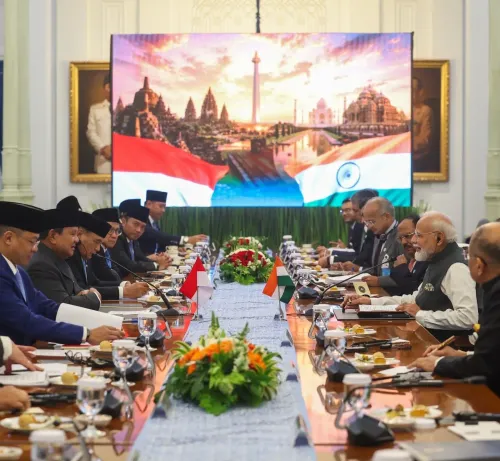
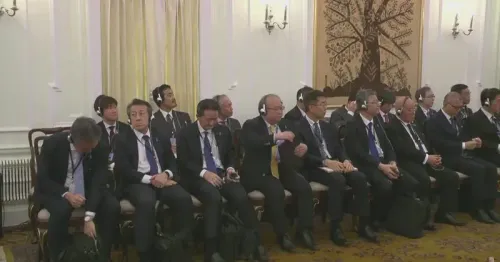
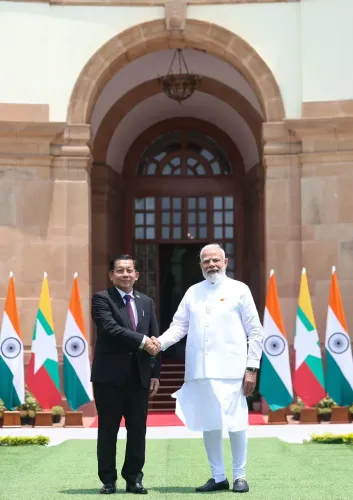
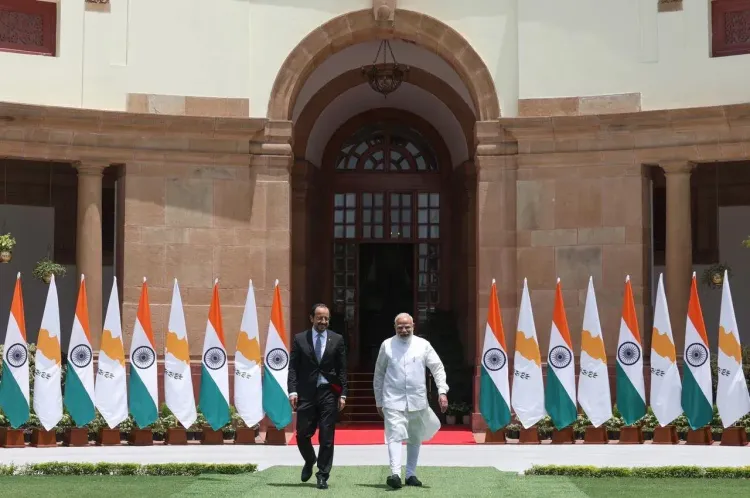
The post was accompanied by 4 images , indicating an in-person high-level bilateral engagement.
Follow-up MoUs, joint statements, and project announcements across these sectors are anticipated.
Prime Minister Narendra Modi on Friday, 22 May 2026 outlined the outcomes of a bilateral meeting, stating that discussions covered cooperation across infrastructure, energy, agriculture, technology, financial services, and defence and security. The engagement also placed emphasis on strengthening cultural and people-to-people ties between the two nations.
Context
In a post on X, Prime Minister Modi wrote: 'We discussed ways to increase cooperation in infrastructure, energy, agriculture, technology and financial services. We also view defence and security as a key means of furthering bilateral friendship. Emphasis will remain on boosting cultural as well as people-to-people ties.' The statement signals a wide-ranging agenda that spans economic sectors alongside strategic cooperation.
The post was accompanied by four images, suggesting an in-person bilateral meeting. The specific counterpart nation and location of the meeting have not been officially identified in the post itself.
Policy Backdrop
India has pursued comprehensive strategic partnerships since the early 2000s, routinely combining defence cooperation with economic and technology frameworks. This multi-sectoral approach has been a defining feature of Prime Minister Modi's foreign policy since he assumed office in 2014.
The sectors highlighted — infrastructure, energy, agriculture, technology, and financial services — mirror the standard pillars of India's bilateral engagement templates. Defence and security cooperation is increasingly positioned not merely as a standalone pillar but as an enabler of broader bilateral friendship, reflecting a shift in diplomatic framing.
Cultural and people-to-people ties have similarly been a consistent closing emphasis in such engagements, often translating into agreements on visa facilitation, educational exchanges, and diaspora-linked initiatives.
Stakeholders and Impact
The sectors named in the statement directly implicate a broad range of industries. Defence industries on both sides stand to benefit from any follow-on agreements, as do energy firms that could tap joint projects in renewables or fossil-fuel supply chains.
Agricultural cooperation often encompasses technology transfer, seed research, and food-security frameworks, with implications for farming communities in both countries. Technology and financial services tie-ups can unlock investment corridors and fintech partnerships, areas where India has seen rapid growth.
People-to-people ties, when backed by formal mechanisms, tend to ease mobility for students, professionals, and diaspora communities, amplifying the economic and soft-power dividends of such summits.
What's Next
Diplomatic practice following such high-level meetings typically includes the release of joint statements, signing of Memoranda of Understanding, and announcements of specific project commitments in the sectors discussed. Observers will watch for any formal agreements in infrastructure financing, energy supply, or defence procurement that may emerge in the days following this engagement.
Reciprocal visits or follow-up ministerial-level meetings are also a standard next step. The emphasis on people-to-people ties suggests potential announcements on visa or mobility arrangements in the near term.
Point of View
Prime Minister Modi signals an intent to deepen the political trust dimension of the relationship. The closing emphasis on cultural and people-to-people ties is a deliberate soft-power move, one that Modi has deployed consistently across geographies to build durable public constituencies for India's foreign partnerships. Taken together, the statement reflects a maturing foreign-policy doctrine that treats economic, strategic, and cultural levers as mutually reinforcing rather than separate tracks.
NationPress
6 Oct 2026
Frequently Asked Questions
What did PM Modi discuss in his bilateral meeting on 22 May 2026?
Prime Minister Modi stated that discussions covered cooperation in infrastructure, energy, agriculture, technology, financial services, and defence and security, with emphasis also on cultural and people-to-people ties.
Which countries were involved in PM Modi's bilateral meeting?
The specific counterpart nation has not been identified in Prime Minister Modi 's post. The identity of the bilateral partner was not disclosed in the statement.
What is India's approach to bilateral partnerships under PM Modi?
India under Prime Minister Modi has pursued multi-sectoral comprehensive strategic partnerships since 2014 , combining defence cooperation with economic, technology, and cultural engagement in a single framework.
What follow-up actions are expected after PM Modi's bilateral meeting?
Standard diplomatic practice suggests joint statements, MoUs, and project announcements in the discussed sectors are likely, along with possible reciprocal visits or ministerial-level follow-up meetings.
Why does PM Modi emphasise people-to-people ties in bilateral meetings?
People-to-people ties translate into concrete benefits such as easier mobility for students and professionals, diaspora linkages, and soft-power dividends, making them a consistent pillar of India 's bilateral engagement strategy.