PM Modi Discusses AI, Skills and Investment in Bilateral Meet
Synopsis
Prime Minister Narendra Modi on June 16, 2026 held bilateral discussions on AI, innovation, skill development, sports and investment linkages, reinforcing India's strategy of anchoring foreign partnerships in technology and human capital.
Key Takeaways
PM Modi held a bilateral meeting on June 16, 2026 , covering innovation, AI, skill development, sports and investment linkages.
India's National Strategy for AI (#AIforAll) , released in 2018 , underpins the country's push for AI cooperation in foreign engagements.
The Skill India Mission (launched 2015 ) targeted training over 400 million people, making skill partnerships a core bilateral agenda item.
Investment linkages were framed explicitly as mutual-benefit mechanisms for 'the people of our nations'.
Sports cooperation was included alongside technology themes, signalling a broad-based bilateral agenda.
Follow-up memoranda on AI research or skill certification mutual recognition may emerge at upcoming multilateral forums.
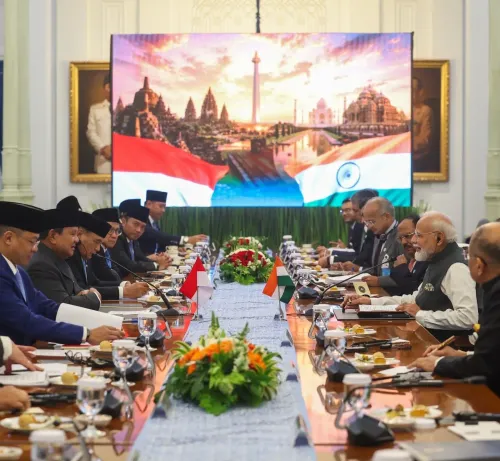
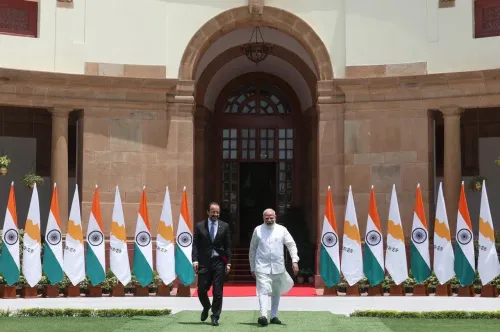
Prime Minister Narendra Modi on Tuesday, June 16, 2026, said he held discussions with a foreign counterpart on deepening cooperation across innovation, artificial intelligence, skill development, sports and investment linkages, signalling a broad-based agenda aimed at mutual economic benefit.
Context
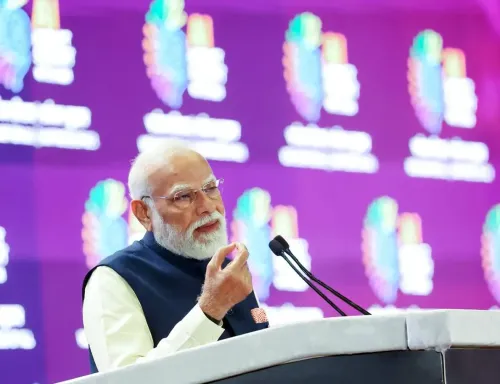
In a post on X, Prime Minister Modi stated: 'We discussed ways to work closely in areas like innovation, AI, skill development, sports and more. We also discussed how to increase investment linkages for the benefit of the people of our nations.' The statement reflects the wide-ranging scope of the bilateral engagement, spanning emerging technology and human capital to trade and capital flows.
The reference to 'our nations' confirms the meeting was a bilateral format, though the identity of the partner country has not been officially disclosed in this communication. The framing of investment linkages as being 'for the benefit of the people' is consistent with Modi's long-standing diplomatic language of mutual gain.
Policy Backdrop
The themes raised — AI, innovation and skills — are not incidental. India's National Strategy for Artificial Intelligence, released in 2018 under the banner #AIforAll, laid out a framework for responsible AI development and adoption across key sectors including agriculture, health and education. AI cooperation with foreign partners has since become a recurring feature of India's diplomatic outreach.
The Skill India Mission, launched in 2015, set a target of training over 400 million people in industry-relevant skills. Mutual recognition of skill certifications with partner countries has been a stated goal, making skill development a natural agenda item in bilateral summits. Digital India and Startup India have similarly been presented as platforms that can attract foreign expertise and capital simultaneously.
Stakeholders and Impact
The sectors highlighted — innovation and AI — directly affect India's technology startup ecosystem, which has grown into one of the world's largest. Agreements or frameworks emerging from such discussions typically open pathways for joint research, co-investment in AI infrastructure and cross-border talent mobility.
India's skilled youth stand to benefit most concretely from any skill certification mutual-recognition arrangements that may follow. The inclusion of sports as a discussion area is notable, potentially covering athlete exchange, coaching expertise or infrastructure investment — areas that have featured in recent bilateral frameworks with several partner nations.
What's Next
Diplomatic observers will watch for follow-up instruments — memoranda of understanding on AI research centres, joint innovation funds or skill-certification equivalency agreements — that could emerge at upcoming multilateral meetings. Modi's consistent pattern of linking domestic flagship programmes with external partnerships suggests any outcomes will be framed as extensions of existing national missions rather than standalone bilateral deliverables.
The explicit mention of investment linkages indicates that economic ministries and industry bodies on both sides are likely to be engaged in follow-on working-group processes. India's broader diplomatic posture under Modi has increasingly used technology and human capital as the primary currency of engagement, positioning the country as both a market and a capability partner rather than merely a recipient of investment.
Point of View
Innovation and skills — is not a departure but a continuation of a well-established diplomatic template that links India's domestic flagship programmes to external partnerships. By consistently foregrounding technology and human capital over traditional trade or security frameworks, the government signals that India's comparative advantage in the global order is intellectual and demographic. The inclusion of investment linkages as a mutual-benefit mechanism, rather than a one-way capital ask, reflects a matured negotiating posture. Whether this meeting produces binding instruments or remains aspirational will determine whether the pattern yields structural outcomes or stays at the level of diplomatic optics.
NationPress
19 Sept 2026
Frequently Asked Questions
What did PM Modi discuss in his bilateral meeting on June 16, 2026?
PM Modi discussed cooperation in innovation, artificial intelligence, skill development, sports and increasing investment linkages for the benefit of both nations.
What is India's national strategy on AI?
India released its National Strategy for Artificial Intelligence in 2018 under the theme #AIforAll, aimed at responsible AI development across sectors like health, agriculture and education.
How does Skill India Mission relate to bilateral diplomacy?
The Skill India Mission, launched in 2015 with a target of training 400 million people, has made skill certification mutual recognition a recurring feature of India's bilateral and multilateral engagements.
Why does PM Modi often raise AI and skills in bilateral meetings?
Modi has consistently framed technology cooperation and human capital as core pillars of India's foreign policy since 2014, linking domestic programmes like Digital India and Startup India to external capital and expertise.
What outcomes could follow from Modi's bilateral talks on AI and investment?
Possible follow-up measures include memoranda of understanding on AI research centres, joint innovation funds, and skill certification mutual recognition agreements at upcoming multilateral meetings.