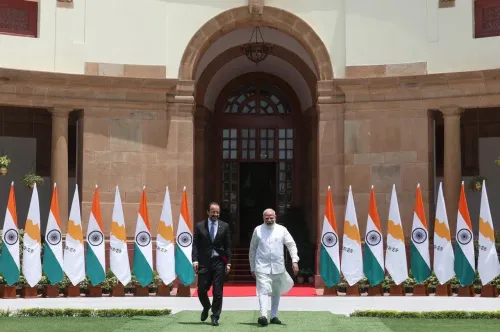
PM Modi Discusses Trade, Rare Earths & Security in Bilateral Talks
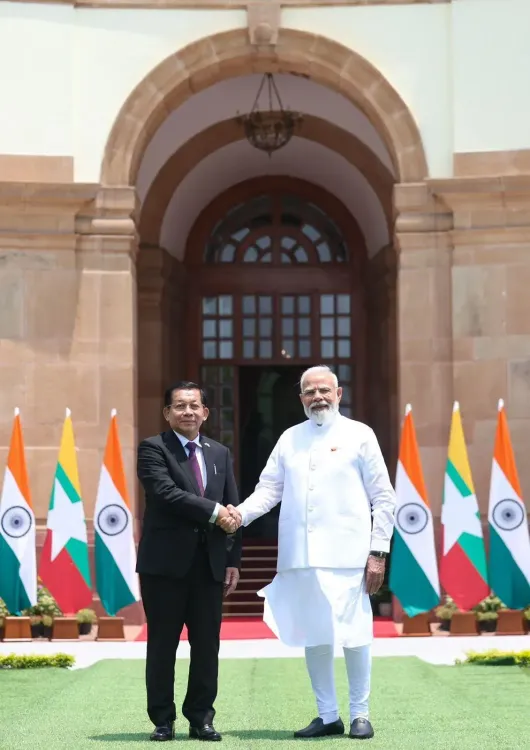
Synopsis
Prime Minister Narendra Modi on June 1, 2026 revealed that his bilateral talks covered trade, rare earths, healthcare, connectivity, heritage restoration, capacity building, maritime security, and cyber security — signalling a broad-based strategic and economic partnership.
Key Takeaways
Prime Minister Narendra Modi disclosed the agenda of bilateral talks on June 1, 2026 , covering eight distinct cooperation areas.
Rare earths featured prominently, reflecting India's strategic push to diversify critical mineral supply chains.
Both sides agreed to work closely on maritime security and cyber security , extending India's Indo-Pacific engagement framework.
Healthcare, connectivity, and heritage restoration were also on the table, spanning economic and cultural diplomacy.
Capacity building commitments signal a development-partnership dimension to the bilateral relationship.
Follow-up MoUs, joint working groups, or a formal joint statement are the immediate deliverables to watch.
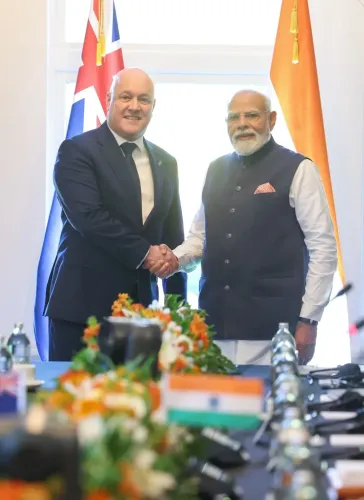
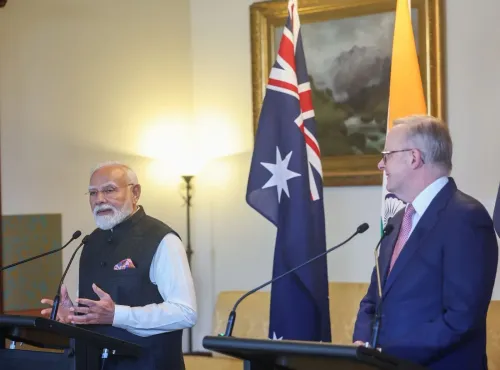
Prime Minister Narendra Modi on Monday, June 1, 2026, disclosed the wide-ranging agenda of his bilateral talks with a foreign counterpart, saying discussions covered cooperation in trade, rare earths, healthcare, connectivity, heritage restoration, capacity building, maritime security, and cyber security.
Context
In a post on X, Prime Minister Modi outlined that the talks spanned both economic and strategic domains. 'Our talks covered ways to deepen cooperation in trade, rare earths, healthcare, connectivity, heritage restoration and capacity building,' he wrote, adding that both sides 'agreed to work closely in areas such as maritime security, cyber security and more.'
The breadth of the agenda — ranging from critical minerals to digital security — signals a substantive engagement rather than a ceremonial exchange, touching sectors that are central to India's near-term economic and strategic priorities.
Policy Backdrop
India has in recent years actively pursued diversified supply chains for rare earths and critical minerals, reducing dependence on any single source as global competition for these inputs intensifies. Rare earths are essential for electric vehicles, defence electronics, and renewable energy equipment — all areas where New Delhi has announced major domestic manufacturing ambitions.
Maritime and cyber security cooperation fit within India's broader Indo-Pacific engagement framework, which has seen the country deepen security dialogues with multiple partners across the region. Heritage restoration and connectivity initiatives, meanwhile, reflect India's sustained use of cultural diplomacy and infrastructure outreach as instruments of bilateral goodwill.
Capacity building — a recurring element in India's partnerships with developing and middle-income countries — typically encompasses training programmes, institutional exchange, and technology transfer arrangements.
Stakeholders and Impact
Indian industry, particularly firms in the pharmaceuticals, logistics, and critical-minerals processing sectors, stands to benefit if the trade and connectivity discussions translate into formal agreements or preferential arrangements. The healthcare pillar could open pathways for generic drug exports and joint manufacturing, areas where India holds a competitive edge globally.
Security agencies and defence establishments on both sides have a direct stake in the maritime and cyber security commitments. Cyber cooperation, in particular, has become a fast-growing pillar of India's bilateral security architecture as threats to critical digital infrastructure multiply.
Heritage restoration components often carry diplomatic resonance beyond their material value, reinforcing people-to-people ties and soft-power positioning — a consistent feature of Prime Minister Modi's foreign policy outreach.
What's Next
The immediate focus will be on whether the discussions crystallise into Memoranda of Understanding, joint working groups, or a formal joint statement. Such instruments typically set timelines and institutional mechanisms that determine whether summit-level commitments translate into ground-level action.
Analysts will also watch for the scheduling of reciprocal visits or India's participation in multilateral formats where the two sides can advance the agreed agenda. The rare earths and maritime security tracks, given their strategic sensitivity, are likely to attract the closest follow-up scrutiny.
Point of View
Multi-domain partnerships rather than narrowly transactional ones. Rare earths diplomacy in particular has emerged as a front-line priority as New Delhi seeks to reduce supply-chain vulnerabilities in its clean-energy and defence manufacturing ambitions. The simultaneous emphasis on heritage and connectivity alongside hard-security cooperation reflects a mature bilateral template that Prime Minister Modi has applied across multiple geographies. Whether the commitments harden into binding agreements will be the true measure of this engagement's strategic weight.
NationPress
16 Oct 2026
Frequently Asked Questions
What did PM Modi discuss in his bilateral talks on June 1 2026?
Prime Minister Modi said the talks covered trade, rare earths, healthcare, connectivity, heritage restoration, capacity building, maritime security, and cyber security.
Why are rare earths important in India's bilateral diplomacy?
Rare earths are critical inputs for electric vehicles, defence electronics, and renewable energy. India is actively diversifying its supply chains to reduce dependence on any single country for these materials.
What does maritime security cooperation mean for India?
Maritime security cooperation typically involves joint patrols, intelligence sharing, and capacity building to ensure safe sea lanes — a priority for India within its broader Indo-Pacific engagement framework.
What is cyber security cooperation between countries?
Cyber security cooperation usually covers information sharing on threats, joint response protocols, and technical collaboration to protect critical digital infrastructure from attacks.
What happens after a bilateral summit between India and another country?
After such talks, governments typically formalise commitments through Memoranda of Understanding, joint statements, or working groups that set timelines and mechanisms for implementation.