PM Modi Calls Nepal PM, Offers Condolences Over Flood Deaths
Synopsis
Prime Minister Narendra Modi called Nepal's Prime Minister Balendra Shah to condole the deaths caused by severe flooding in Nepal, pledging full Indian humanitarian support. The outreach reflects India's Neighborhood First policy and a long record of bilateral disaster solidarity.
Key Takeaways
PM Modi spoke directly with Nepal PM Balendra Shah following deadly floods in Nepal.
Modi conveyed condolences on behalf of the people of India to the families of flood victims.
India pledged 'all possible humanitarian assistance' to Nepal during the crisis.
The call reflects India's 'Neighborhood First' foreign policy, which prioritises rapid solidarity with immediate neighbors during disasters.
India and Nepal share an open border and deep cultural ties, with a history of bilateral disaster cooperation including after the 2015 earthquake .
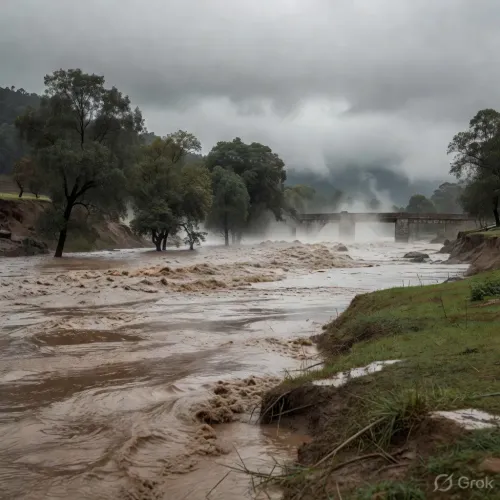
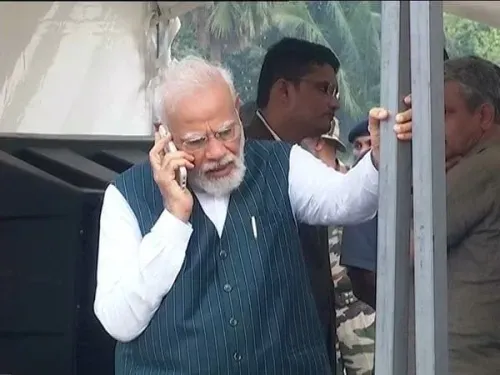
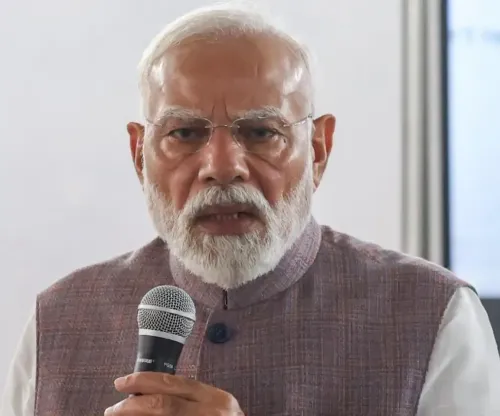
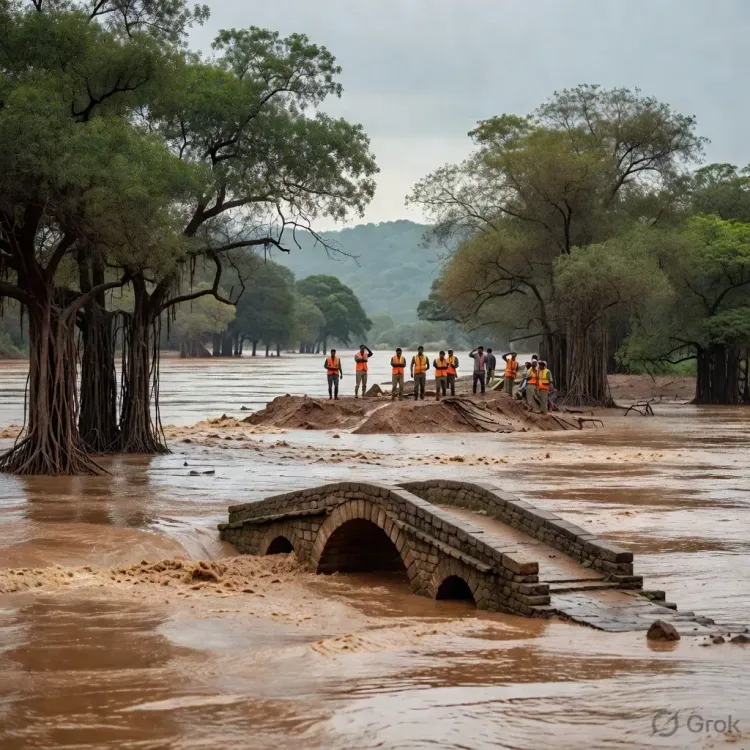
When catastrophe strikes across an open border, the first call matters. Prime Minister Narendra Modi reached out to his Nepali counterpart, Prime Minister Balendra Shah, to convey India's condolences over the lives lost in devastating floods that have swept through Nepal, and to reaffirm that India stands ready to deliver humanitarian assistance.
In his post, Modi wrote — translated from Nepali — 'I spoke with Prime Minister Balendra Shah and expressed condolences to those who lost their lives due to the floods in Nepal. In this difficult time, the people of India stand in solidarity with their sisters and brothers in Nepal. India will provide all possible humanitarian assistance to Nepal.'
A Call Rooted in Neighborhood First
The outreach follows a well-established pattern in India-Nepal relations. Successive Indian governments have maintained a 'Neighborhood First' foreign policy posture that treats rapid disaster solidarity with immediate neighbors as a diplomatic priority, not an afterthought. The monsoon season routinely brings flooding to Nepal's river-fed plains and hill districts, and India has historically been among the first to respond — most visibly after the catastrophic 2015 earthquake, when India mounted one of its largest-ever bilateral relief operations.
The two countries share an open border, deep cultural kinship, and interlocking river systems — meaning Nepal's flood crises carry direct humanitarian and logistical implications for India's own border states, particularly Bihar and Uttar Pradesh.
What India Has Pledged — and What Comes Next
Modi's statement commits India to 'all possible humanitarian assistance' — a formulation that leaves scope for relief material, medical aid, rescue equipment, or financial support, depending on Nepal's assessed needs. The specific type and volume of assistance India will deliver remains to be confirmed through official channels.
For the families of the flood victims, the diplomatic warmth must now translate into concrete relief on the ground. That is the test every condolence call eventually faces.
Point of View
Personal, and public — reinforcing India's position as Nepal's primary partner in moments of crisis. By posting in Nepali, Modi signals the message is aimed as much at the Nepali public as at Kathmandu's political class, a soft-power calculation that successive Indian governments have refined. The pledge of 'all possible' assistance is deliberately open-ended, preserving India's flexibility on the scale and form of relief. The real diplomatic weight will be measured not by the call itself but by how quickly and visibly Indian assistance reaches affected communities.
NationPress
26 Aug 2026
Frequently Asked Questions
Why did PM Modi call Nepal's Prime Minister about the floods?
PM Modi called Nepal PM Balendra Shah to offer condolences for lives lost in the floods and to assure Nepal of India's humanitarian support. India and Nepal share close ties and India has a policy of prioritising disaster solidarity with its immediate neighbors.
What kind of help has India offered to Nepal for the floods?
PM Modi pledged 'all possible humanitarian assistance' to Nepal. The specific details — whether relief material, medical aid, rescue equipment, or financial support — are yet to be officially confirmed.
What is India's Neighborhood First policy?
Neighborhood First is India's foreign policy approach that prioritises strong ties and rapid support to immediate neighboring countries, especially during crises like natural disasters. It has guided India-Nepal relations through multiple flood and earthquake emergencies.
Has India helped Nepal during disasters before?
Yes. India provided extensive relief and reconstruction support to Nepal after the devastating 2015 earthquake and has regularly extended assistance during annual monsoon flood events along their shared border.
Which Indian states are most affected when Nepal faces floods?
Bihar and Uttar Pradesh, which share an open border with Nepal and are fed by the same river systems, are most directly impacted when floods hit Nepal's plains and hill districts.