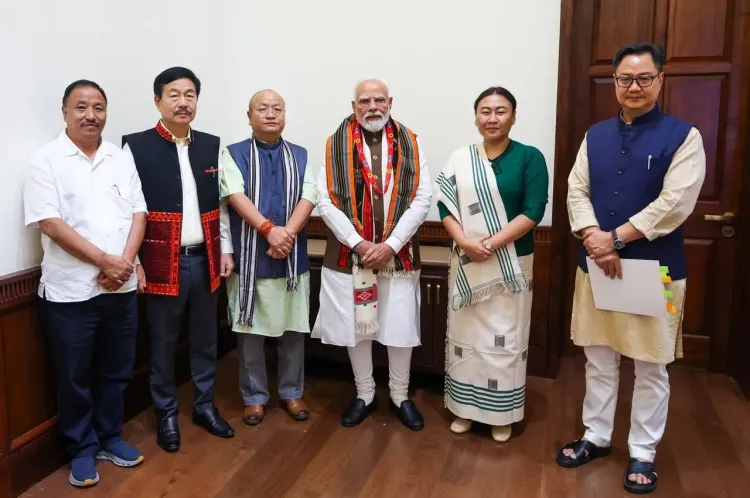
PM Modi meets Northeast MPs amid Arunachal, Nagaland floods
Synopsis
Prime Minister Narendra Modi met MPs from flood-hit Arunachal Pradesh and Nagaland on 30 July 2026, pledging continued central support to state governments tackling the monsoon crisis in India's challenging northeastern terrain.
Key Takeaways
PM Narendra Modi held a meeting with MPs from Arunachal Pradesh and Nagaland on 30 July 2026 to review the flood situation in both states.
The Prime Minister confirmed the Central Government will continue working with respective state governments to address flood-related challenges.
Both northeastern states face severe annual monsoon flooding due to hilly terrain, with landslides frequently cutting off districts and communities.
The National Disaster Management Act of 2005 provides the legal framework for central assistance to states during such disasters.
Key follow-up actions to watch include release of central assistance packages and possible deployment of NDRF teams to affected districts.
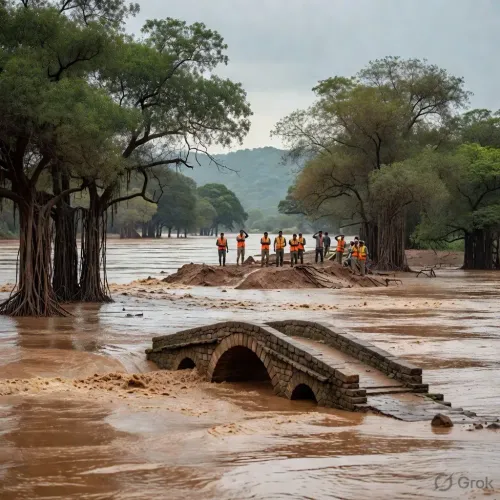
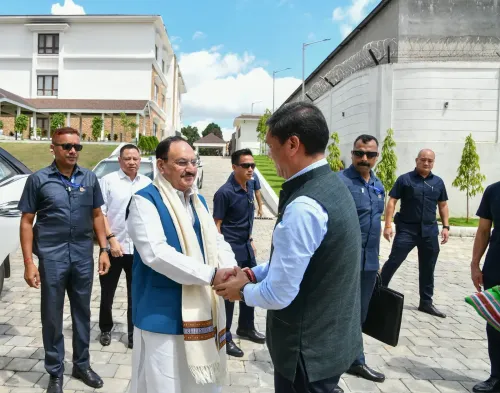
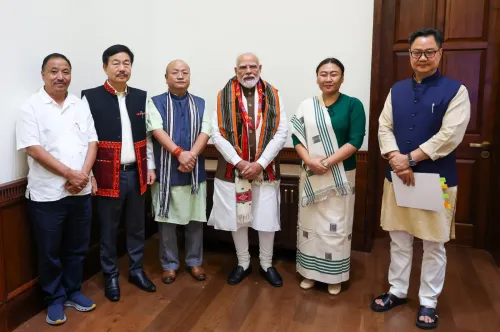
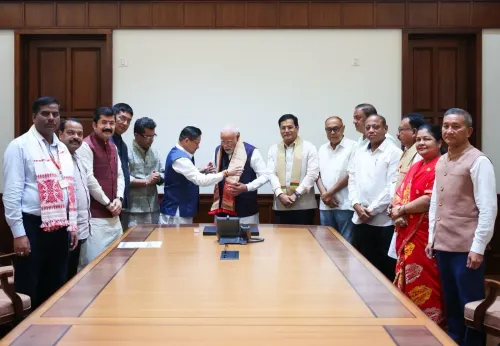
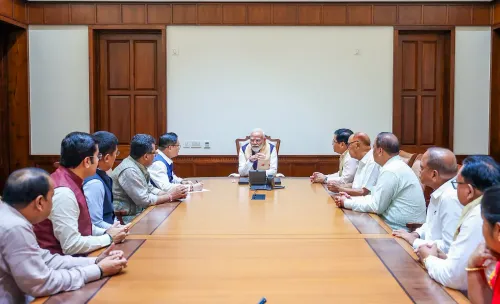
Floods battering two of India's most vulnerable northeastern states reached the floor of the Prime Minister's office on Thursday, 30 July 2026, as Prime Minister Narendra Modi convened a meeting with Members of Parliament from Arunachal Pradesh and Nagaland to take direct stock of the monsoon crisis unfolding on the ground.
In a post on X, the Prime Minister said the meeting focused on 'the situation in these states in the wake of floods' and reaffirmed that 'the Central Government will keep working with the respective state Governments to address the challenges.' He closed with a prayer for everyone's wellbeing — a signal of the gravity with which the meeting was held.
Why the Northeast is always first to feel the monsoon's force
Arunachal Pradesh, which shares borders with China and Myanmar, sits atop some of the steepest terrain in the country. When the monsoon arrives, its river valleys funnel enormous volumes of water downstream in hours, triggering landslides that cut off entire districts. Nagaland, with its predominantly tribal hill communities, faces the same seasonal reckoning — heavy rainfall erodes roads, disrupts supply chains, and isolates villages that are already among the hardest to reach in the country. The engagement of MPs directly in this review is deliberate. Elected representatives from these constituencies carry ground-level intelligence — which bridges have collapsed, which relief camps are overwhelmed — that no satellite report fully captures.Centre-state coordination under the 2005 disaster framework
India's constitutional and legislative architecture gives the Central Government a clear supplementary role during natural disasters. The National Disaster Management Act of 2005 formalised this, creating the framework under which the centre deploys financial assistance, NDRF teams, and logistical support to states in distress. Successive governments have used this mechanism during the northeast's annual monsoon crises, and Prime Minister Modi has held similar MP-level reviews for the region in previous years. The immediate watch-points from here: whether the Centre releases additional assistance packages for the two states, and whether Union ministers or NDRF teams are dispatched to the worst-affected districts for on-ground assessment. For the families caught in the floods tonight, the message from New Delhi is that their representatives have been heard — the harder test is how fast the response reaches them.Point of View
Prime Minister Modi signals that northeastern flood response is a political priority, not just an administrative one. This fits a broader pattern of the current government framing its engagement with the northeast as personal and hands-on — a region that has historically felt peripheral to Delhi's attention. The real test of this posture is speed: how quickly central resources and NDRF teams reach the ground will determine whether the meeting translates into relief or remains a statement of intent. For the BJP, which has steadily consolidated its political footprint across northeastern states, visible crisis management in the region carries electoral as well as humanitarian weight.
NationPress
13 Sept 2026
Frequently Asked Questions
Why did PM Modi meet MPs from Arunachal Pradesh and Nagaland?
Prime Minister Modi met MPs from both states on 30 July 2026 to review the flood situation caused by monsoon rains and discuss how the Central Government can support state-level relief efforts.
Which states are affected by floods in July 2026?
Arunachal Pradesh and Nagaland in northeast India are the states whose flood situation was discussed at the Prime Minister's meeting with their respective MPs.
What is the Central Government's role in flood relief in India?
Under the National Disaster Management Act of 2005, the Central Government provides supplementary financial assistance, NDRF deployment, and logistical support to state governments managing natural disasters.
How often does northeast India face floods?
Northeast India experiences severe flooding virtually every monsoon season due to its hilly terrain, high rainfall, and river systems that swell rapidly, affecting states like Arunachal Pradesh, Nagaland, and Assam.
What happens after PM Modi's flood review meeting?
Typically, such meetings are followed by release of central assistance packages and deployment of National Disaster Response Force teams to the worst-hit districts, though specific announcements depend on ground assessments.