Rijiju briefs PM Modi on floods battering Arunachal, Nagaland
Synopsis
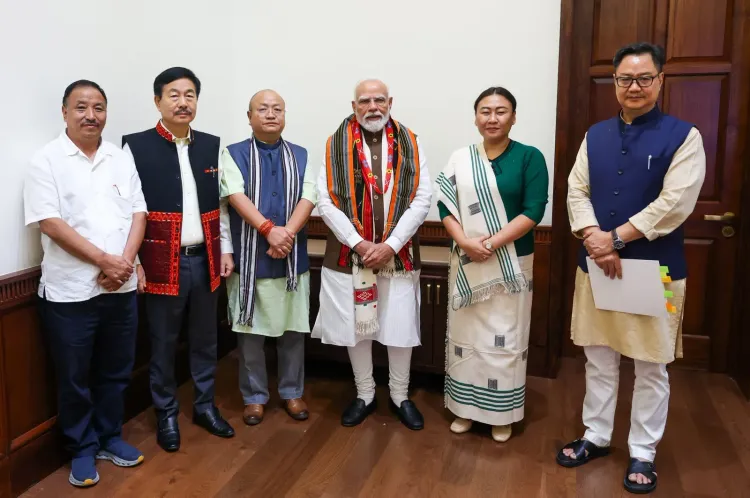
Union Minister Kiren Rijiju led MPs from Arunachal Pradesh and Nagaland to meet PM Modi at Parliament House on July 30, 2026, briefing him on severe monsoon flooding. The PM assured full central assistance and has already issued directions for timely relief and restoration in both states.
Key Takeaways
MPs from Arunachal Pradesh and Nagaland met PM Narendra Modi at Parliament House, New Delhi on July 30, 2026 to flag the flood situation in both states.
PM Modi assured the delegation of full central government assistance for flood-affected people.
The PM has 'already given necessary directions' for timely relief, restoration, and support, according to Minister Rijiju .
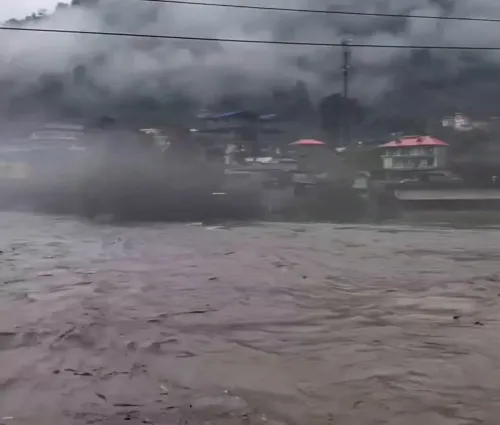
Both northeastern states are recurrently hit by severe monsoon flooding from rivers including the Brahmaputra and its tributaries.
Central relief is channelled through the National Disaster Response Fund (NDRF) and State Disaster Response Funds (SDRF) under the Disaster Management Act, 2005 .
Release of central funds and possible dispatch of assessment teams to the region are the immediate next steps to watch.
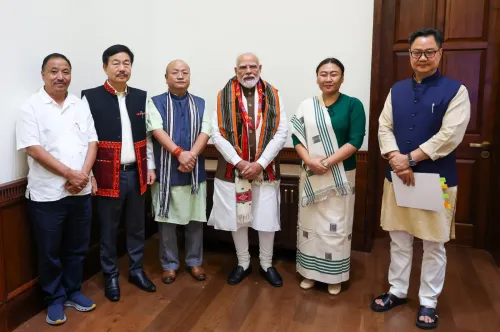
As monsoon floods grip two of India's most vulnerable northeastern states, Union Parliamentary Affairs Minister Kiren Rijiju led a delegation of Members of Parliament from Arunachal Pradesh and Nagaland to Parliament House, New Delhi, on Thursday, July 30, 2026, to place the crisis directly before Prime Minister Narendra Modi. The PM heard them out — and moved.
MPs take the flood crisis to the top
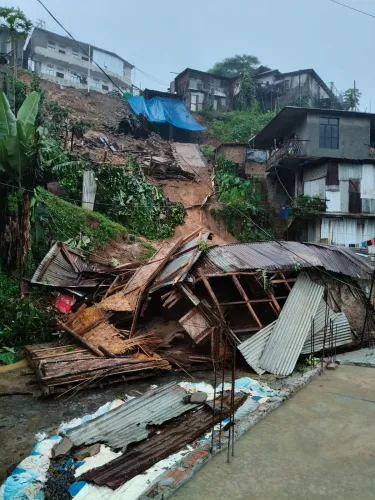
The delegation apprised the Prime Minister of the 'prevailing flood situation' in both states, according to Rijiju's post. PM Modi assured the MPs of full central assistance and, critically, has 'already given necessary directions' for timely relief, restoration, and support for affected people — signalling that the response was set in motion before the meeting concluded.
Why the Northeast floods demand federal attention
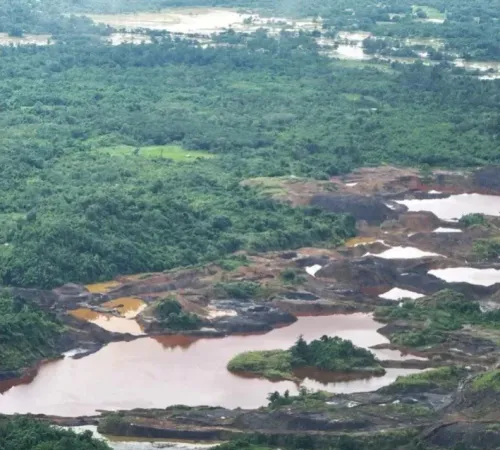
Northeastern India is among the country's most flood-prone zones. Rivers like the Brahmaputra and its tributaries swell violently each monsoon, cutting off hill districts, destroying crops, and displacing communities across Arunachal Pradesh — which borders China, Myanmar, and Bhutan — and the predominantly tribal highlands of Nagaland. The terrain makes relief logistics uniquely difficult: roads wash out, helicopter sorties become the only lifeline.
Under the Disaster Management Act, 2005, the central government channels emergency funds through the National Disaster Response Fund (NDRF) and State Disaster Response Funds (SDRF). The Ministry of Home Affairs and the National Disaster Management Authority (NDMA) typically coordinate with state administrations on relief deployment, damage assessment, and ex-gratia payments. MPs from the region meeting the PM directly is a well-worn but effective pressure point to accelerate that machinery.
What comes next for relief on the ground
The immediate watch point is the release of central funds under the NDRF and SDRF, and whether central assessment teams are dispatched to gauge damage on the ground. Rijiju, himself from Arunachal Pradesh, is well-placed to bridge the state and the Centre — his dual role as Parliamentary Affairs Minister gives him direct access to the legislative calendar, while his roots in the region lend political weight to the delegation's appeal.
For flood-hit families in both states, the PM's assurance now needs to translate into boots on the ground — and funds in state accounts — before the monsoon's next surge arrives.
Point of View
Geographically remote and chronically under-resourced, depend heavily on direct political access to New Delhi to unlock disaster relief at speed. Rijiju's dual identity — senior Union Minister and Arunachal MP — makes him an unusually effective conduit, collapsing the distance between state grievance and central response. The PM's reported pre-meeting directions, if borne out by fund releases, would reinforce the Modi government's pattern of centralising disaster-response optics around the Prime Minister's Office. The real test, as always, is how fast NDRF and SDRF disbursements reach district administrations before the monsoon peaks.
NationPress
14 Sept 2026
Frequently Asked Questions
Which states are facing floods in July 2026?
Arunachal Pradesh and Nagaland are the two northeastern states whose MPs briefed PM Modi about the prevailing flood situation on July 30, 2026.
What did PM Modi promise for flood relief in Arunachal Pradesh and Nagaland?
PM Modi assured the MPs of full central assistance and has already issued necessary directions for timely relief, restoration, and support for flood-affected people in both states.
What is the NDRF and how does it help flood-hit states?
The National Disaster Response Fund (NDRF), created under the Disaster Management Act, 2005, enables the central government to release emergency funds to states for relief, rescue, and restoration after disasters like floods.
Why do northeastern states face severe flooding every monsoon?
Rivers like the Brahmaputra and its tributaries swell dramatically during the monsoon, inundating low-lying areas and cutting off hill districts across Arunachal Pradesh, Nagaland, and neighbouring states, making them among India's most flood-vulnerable regions.
Who is Kiren Rijiju and what is his role in this meeting?
Kiren Rijiju is the Union Minister of Parliamentary Affairs and Minority Affairs, and a senior BJP leader from Arunachal Pradesh. He led the delegation of MPs from Arunachal Pradesh and Nagaland that met PM Modi to apprise him of the flood situation.