CM Majhi Backs ₹10,000 Cr Container Manufacturing Scheme
Synopsis
Odisha CM Mohan Charan Majhi has highlighted the ₹10,000 crore Container Manufacturing Promotion Scheme approved under PM Modi, aimed at making India a global container manufacturing hub, strengthening supply chains, and generating employment under the Make in India and Aatmanirbhar Bharat frameworks.
Key Takeaways
The Container Manufacturing Promotion Scheme carries a ₹10,000 crore outlay to boost domestic container production in India.
Odisha CM Mohan Charan Majhi endorsed the scheme on 28 October 2026 , linking it to PM Modi's industrial policy agenda.
The scheme is positioned within the Make in India (2014) and Aatmanirbhar Bharat (2020) policy frameworks targeting reduced import dependence.
Domestic container manufacturing is expected to strengthen logistics supply chains and create new employment opportunities in the sector.
Detailed implementation guidelines and timelines from the central government are the next milestones for the scheme to watch.
India is staking its claim on the global container manufacturing map — and a ₹10,000 crore central government scheme is the opening move. Odisha Chief Minister Mohan Charan Majhi on Wednesday, 28 October 2026 highlighted the Container Manufacturing Promotion Scheme, calling it a decisive push under Prime Minister Narendra Modi to build domestic production capacity, fortify supply chains, and generate new employment in the logistics sector.
A ₹10,000 crore bet on domestic container output
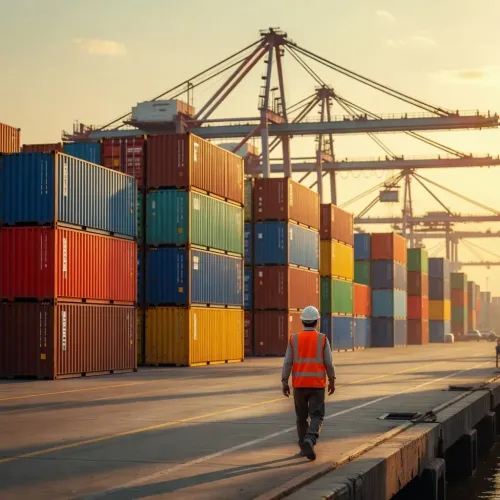
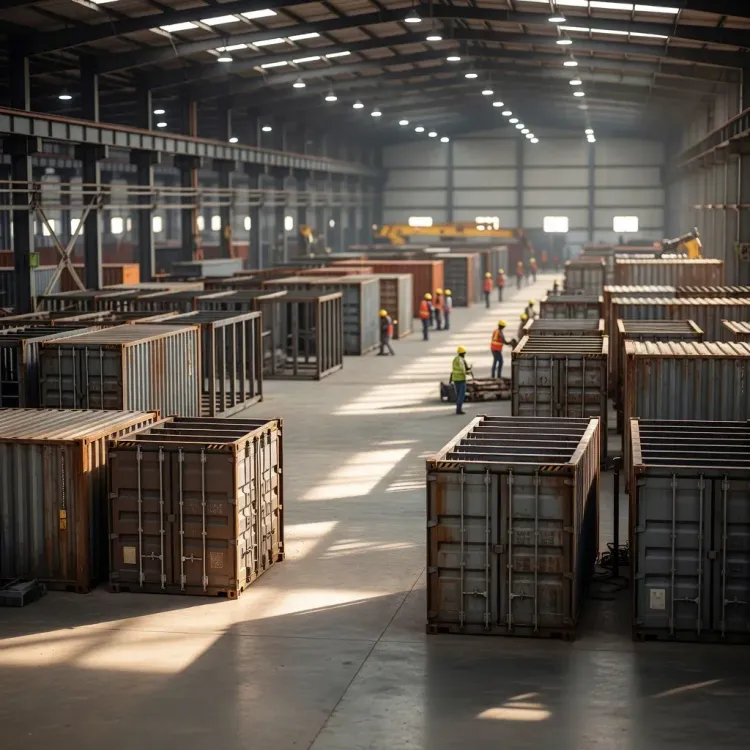
Containers are the invisible backbone of global trade — yet India has long depended heavily on imports for this critical logistics equipment. The Container Manufacturing Promotion Scheme, backed by a ₹10,000 crore outlay, aims to change that equation by incentivising domestic players to scale up production. CM Majhi framed the scheme squarely within the twin pillars of the Modi government's industrial policy: Make in India and Aatmanirbhar Bharat — self-reliance not just as aspiration, but as fiscal commitment.
The Make in India programme, launched in September 2014, set out to position India as a preferred global manufacturing destination. Six years later, the Aatmanirbhar Bharat Abhiyan — announced in May 2020 — deepened that ambition with targeted sector incentives and a sharp focus on reducing import dependence. The container scheme is the latest chapter in that continuing industrial narrative.
Why containers, why now
The global container shortage exposed during the COVID-19 pandemic laid bare just how vulnerable supply chains become when a single category of equipment is overwhelmingly manufactured in one geography. India's logistics sector, which underpins its export ambitions, cannot afford that fragility at scale. A domestic container manufacturing base directly strengthens port operations, rail freight networks, and the broader supply chain infrastructure that Indian exporters depend on.
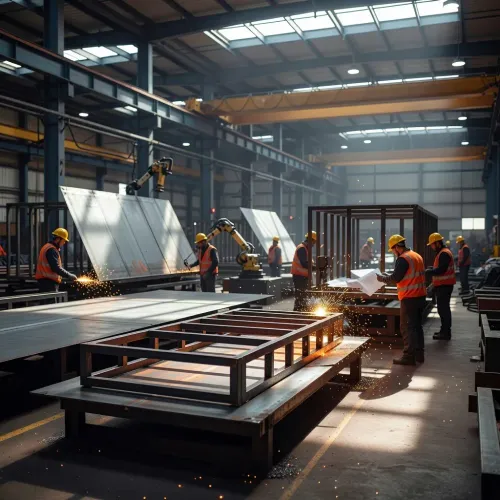
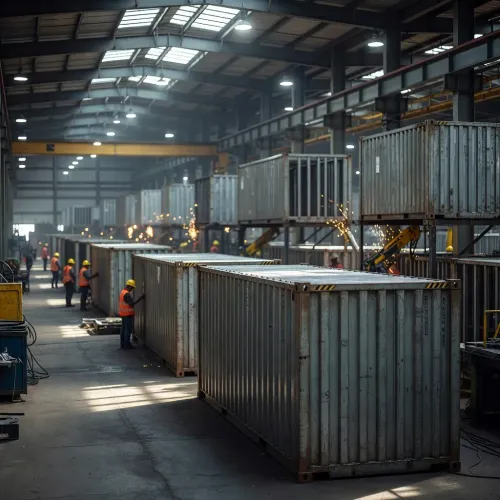
Employment is the other lever. Container manufacturing is capital-intensive but also labour-absorbing — steel fabrication, welding, assembly, and quality inspection all require a skilled workforce. A scheme of this size, if implemented with clear timelines and disbursement guidelines, could translate into meaningful jobs in manufacturing corridors across states including, potentially, Odisha — a state with significant steel and industrial capacity.
Majhi's signal to industry and New Delhi
A Chief Minister amplifying a central cabinet decision is, in itself, a political act — signalling alignment with the BJP's national economic agenda and an invitation to industry to read Odisha as a potential production destination. Majhi, who took charge of Odisha after the BJP's landmark win in the state in 2024, has consistently positioned the state as a manufacturing and investment magnet. Championing a scheme of this scale is consistent with that pitch.
What investors and industry will now watch for: detailed scheme guidelines, eligibility criteria, and a concrete implementation timeline from the central government — the benchmarks that will determine whether the ₹10,000 crore promise translates into factory floors and freight containers stamped 'Made in India'.
Point of View
Making it a high-value target for industrial policy. CM Majhi's enthusiastic amplification also reflects a subnational political calculus: states with steel and port infrastructure, like Odisha, stand to gain disproportionately if scheme guidelines favour coastal industrial clusters. The real test will be whether disbursement architecture matches the ambition of the headline number.
NationPress
28 Oct 2026
Frequently Asked Questions
What is the Container Manufacturing Promotion Scheme?
The Container Manufacturing Promotion Scheme is a central government initiative backed by a ₹10,000 crore outlay to boost domestic container production in India, strengthen supply chains, and create employment in the logistics and manufacturing sectors.
Why is India launching a container manufacturing scheme?
India aims to reduce its dependence on imported containers, which are critical for global trade and logistics. A domestic manufacturing base improves supply chain resilience and supports the broader Make in India and Aatmanirbhar Bharat objectives.
What is Make in India and how does this scheme relate to it?
Make in India is a national programme launched in September 2014 to position India as a global manufacturing hub. The Container Manufacturing Promotion Scheme is one of the latest sector-specific initiatives under this overarching framework.
What did Odisha CM Mohan Charan Majhi say about the scheme?
CM Majhi highlighted the ₹10,000 crore Container Manufacturing Promotion Scheme on 28 October 2026, calling it a strong push for Make in India and Aatmanirbhar Bharat that will boost domestic production, strengthen supply chains, and create employment.
What jobs will the container manufacturing scheme create?
The scheme is expected to generate employment in steel fabrication, welding, assembly, and quality inspection within the container manufacturing sector, though specific job creation targets are subject to detailed scheme guidelines yet to be released.