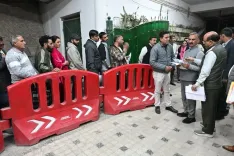
CM Bhupendra Patel Backs Cabinet Nod for Container Scheme
Synopsis
The Union Cabinet has approved the Container Manufacturing Promotion Scheme, offering financial assistance, interest subvention and testing support to domestic manufacturers. Gujarat CM Bhupendra Patel praised PM Modi's decision, calling it a historic step to reduce India's container import dependence and strengthen maritime supply chains under Aatmanirbhar Bharat.
Key Takeaways
The Union Cabinet approved the Container Manufacturing Promotion Scheme (CMPS) on October 28, 2026 .
The scheme provides financial assistance for operational expenses , interest subventions , and testing facilities for domestic container producers.
Gujarat CM Bhupendra Patel praised the decision, calling it a 'monumental step' towards globally competitive supply chains.
The CMPS aligns with the Aatmanirbhar Bharat self-reliance framework launched in May 2020 .
The scheme aims to dramatically reduce India's dependence on imported containers and expand domestic production capacity.
Implementation guidelines, fund allocation and production targets are yet to be officially published.
India's ambition to build world-class supply chains got a concrete push on Wednesday, October 28, 2026, when the Union Cabinet approved the Container Manufacturing Promotion Scheme (CMPS) — and Gujarat Chief Minister Bhupendra Patel was among the first voices to hail the decision as a watershed moment for domestic logistics.
Posting on X, CM Patel expressed 'heartfelt gratitude' to Prime Minister Narendra Modi, calling the approval a 'historic decision' and a 'monumental step towards building globally competitive supply chains and realizing the true potential of an Aatmanirbhar Bharat [self-reliant India].'
What the CMPS Actually Offers Manufacturers
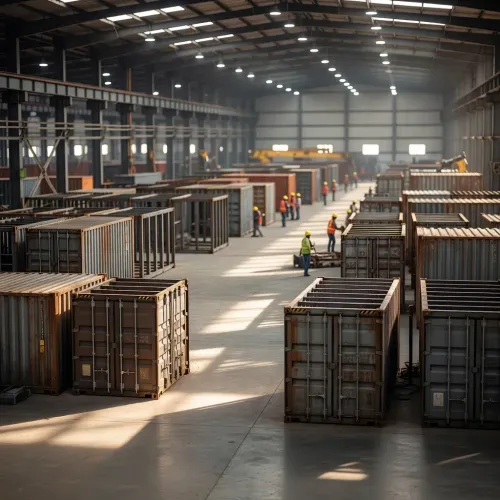
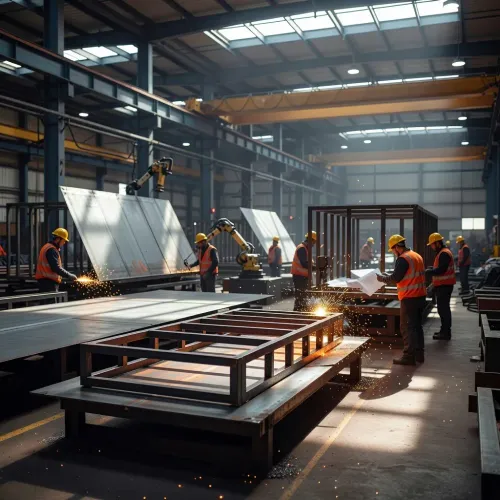
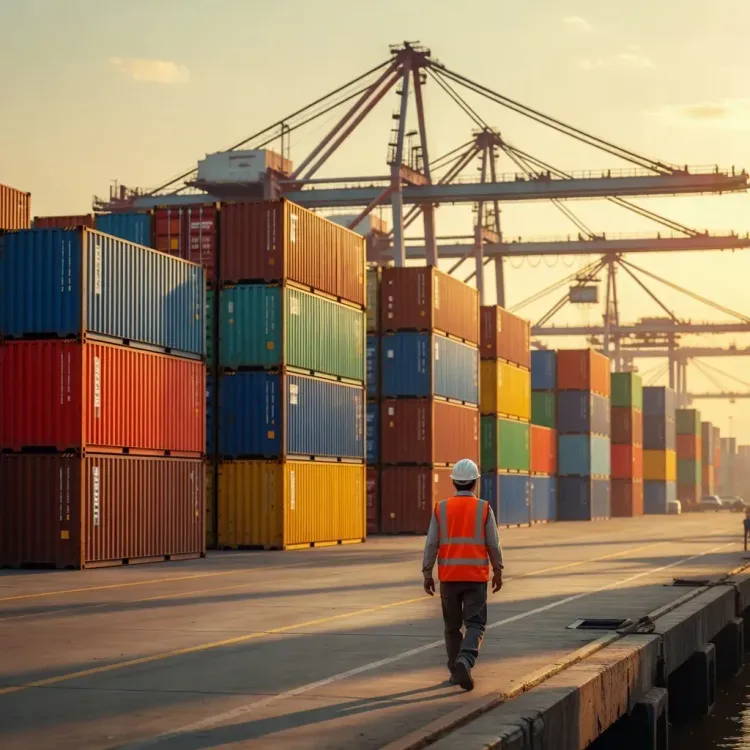
At its core, the Container Manufacturing Promotion Scheme is designed to make it financially viable for Indian manufacturers to produce containers domestically at scale. The scheme extends financial assistance for operational expenses, provides interest subventions to ease the cost of capital, and sets up testing facilities — addressing the three pressure points that have historically kept Indian producers uncompetitive against entrenched global suppliers. The goal is direct: shrink India's dependence on imported containers and sharply expand domestic production capacity. For a country whose export-import volumes run through some of the world's busiest ports, that shift carries enormous economic weight.Why Containers Matter to India's Trade Architecture
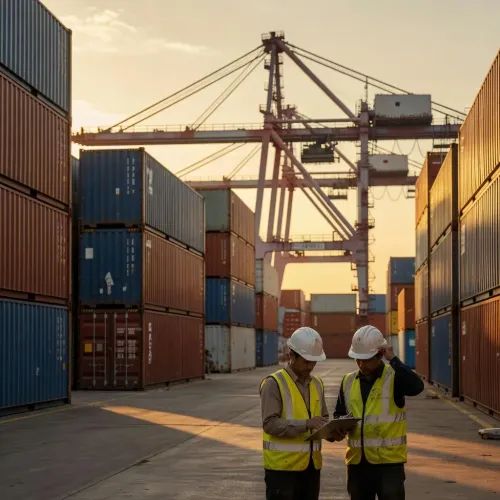
Containers are the invisible backbone of global trade — and India has long been a net importer of the steel boxes that move its goods to the world. That structural dependence creates a bottleneck every time global freight rates spike or container availability tightens, as the world saw painfully in 2021 and again in subsequent supply-chain disruptions. The CMPS slots directly into the Aatmanirbhar Bharat framework, the national self-reliance agenda Prime Minister Modi announced in May 2020, which has since driven targeted schemes across sectors from semiconductors to defence. Logistics infrastructure is a logical next frontier: strong domestic container output can compress turnaround times at Indian ports, lower freight costs for exporters, and insulate the supply chain from the kind of global shocks that expose import dependence most brutally.Gujarat's Stake in the Maritime Push
CM Patel's enthusiastic endorsement is not incidental. Gujarat is home to some of India's highest-capacity ports — including Mundra and Kandla — and its coastline positions the state as a primary beneficiary of any policy that strengthens maritime and logistics infrastructure. A thriving domestic container manufacturing sector could anchor new industrial clusters in coastal Gujarat, translating a national scheme into local jobs and investment. The deeper implementation details — fund allocation, production targets, and rollout timelines — are yet to be officially published, and those numbers will determine how quickly the scheme moves from Cabinet approval to factory floor. India's supply chains have long been hostage to a container shortage it never had to accept. The Cabinet just decided it no longer will.Point of View
Particularly Gujarat with its dominant port infrastructure, see the scheme as a direct economic multiplier, not merely a national policy abstraction. The critical test will be whether the scheme's financial architecture — interest subvention rates, testing infrastructure timelines, eligibility criteria — is calibrated aggressively enough to make domestic production genuinely cost-competitive with established Chinese suppliers who dominate the global container market. If execution matches intent, the CMPS could quietly become one of the more consequential logistics interventions of this decade.
NationPress
28 Oct 2026
Frequently Asked Questions
What is the Container Manufacturing Promotion Scheme (CMPS)?
The CMPS is a Union Cabinet-approved scheme that provides financial assistance for operational expenses, interest subventions, and testing facilities to promote domestic container manufacturing in India and reduce import dependence.
Why did the Union Cabinet approve the CMPS?
The Cabinet approved the CMPS to strengthen India's maritime and logistics ecosystem, expand domestic container production capacity, and reduce the country's reliance on imported containers — in line with the Aatmanirbhar Bharat self-reliance agenda.
What did Gujarat CM Bhupendra Patel say about the CMPS?
CM Patel expressed heartfelt gratitude to PM Narendra Modi, calling the approval a 'historic decision' and a 'monumental step towards building globally competitive supply chains and realizing the true potential of an Aatmanirbhar Bharat.'
How does the CMPS connect to Aatmanirbhar Bharat?
The CMPS is a direct extension of the Aatmanirbhar Bharat initiative launched in May 2020, which aims to boost domestic manufacturing across strategic sectors and reduce India's dependence on imports.
Which states benefit most from a domestic container manufacturing push?
Coastal states with large port infrastructure — particularly Gujarat, home to Mundra and Kandla ports — stand to benefit most, as stronger domestic container availability directly supports their maritime trade and logistics activity.