PM Modi calls Nepal PM, offers India's full humanitarian aid after floods
Synopsis
Prime Minister Narendra Modi called Nepal PM Balendra Shah on 26 August 2026 to offer condolences over flood deaths and pledge full Indian humanitarian assistance, invoking India's neighbourhood-first approach and a long record of bilateral disaster cooperation including Operation Maitri.
Key Takeaways
PM Modi spoke with Nepal PM Balendra Shah on 26 August 2026 to offer condolences on flood-related deaths in Nepal.
India pledged to provide 'all possible humanitarian assistance' to Nepal.
Modi stated that 'the people of India stand in solidarity with their sisters and brothers in Nepal.' India launched Operation Maitri in 2015 after Nepal's earthquake — the benchmark for bilateral disaster response.
The 1950 Treaty of Peace and Friendship underpins the India-Nepal cooperative framework, including disaster relief.
Specific relief measures — NDRF teams, medical supplies, financial aid — are expected to follow the diplomatic call.
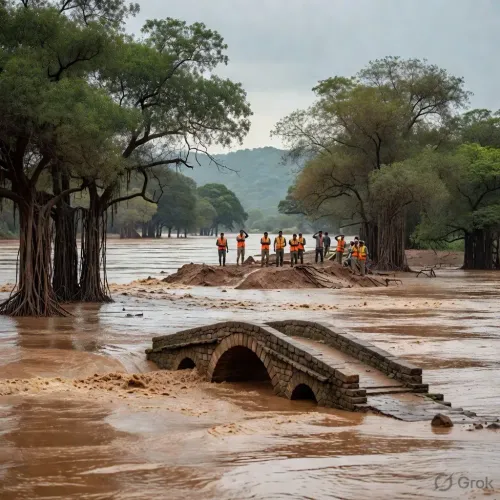
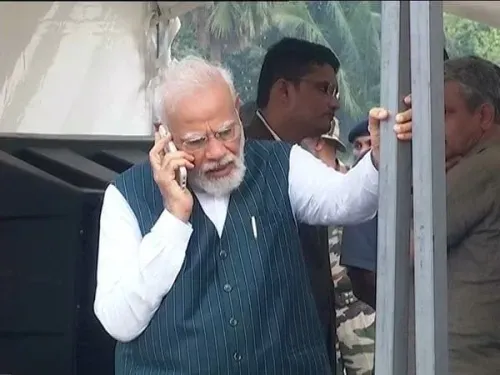
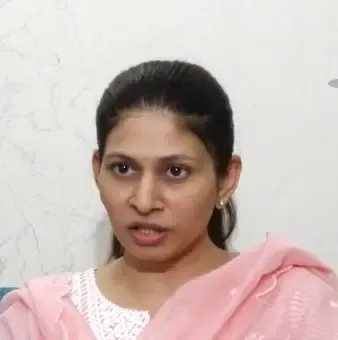
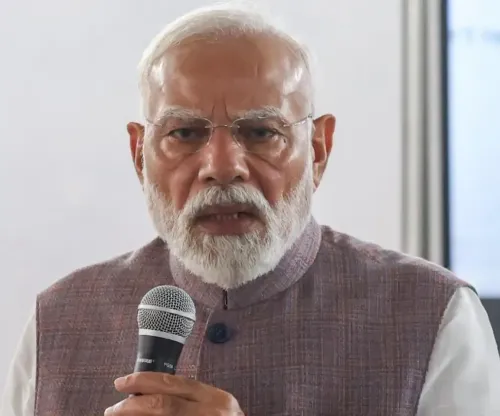
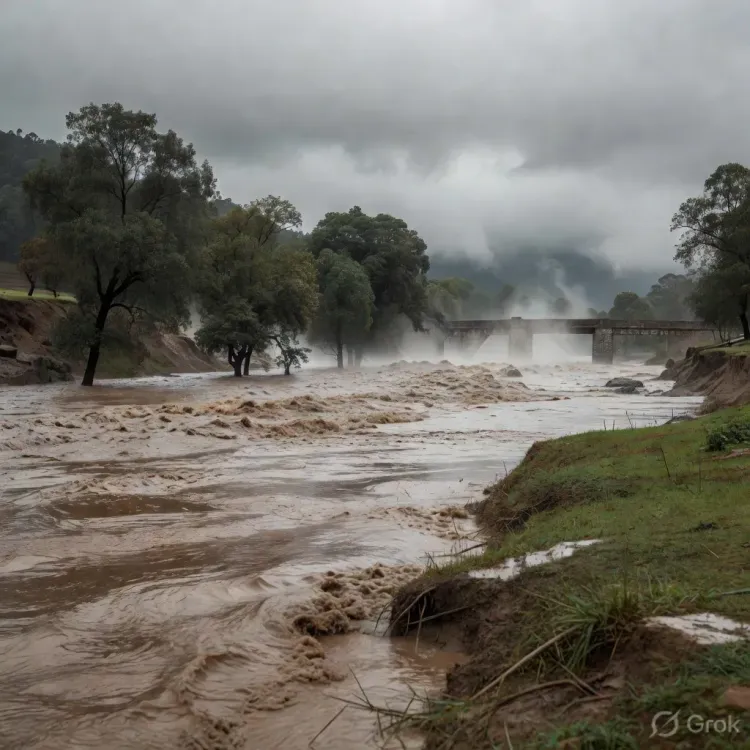
A phone call between two neighbouring capitals carried the weight of a region in distress. Prime Minister Narendra Modi spoke with Nepal's Prime Minister Balendra Shah on Wednesday, 26 August 2026, conveying condolences over lives lost to devastating floods and pledging that India stands ready to provide 'all possible humanitarian' assistance.
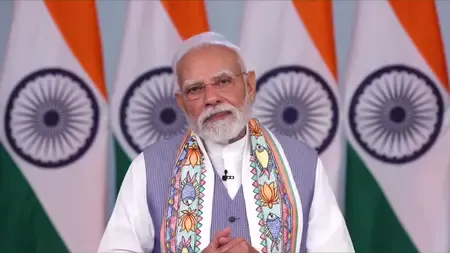
In his own words, Modi said: 'The people of India stand in solidarity with their sisters and brothers in Nepal at this difficult time.' The phrase is deliberate — not a bureaucratic formulation, but a reminder of the open border, the shared rivers, and the centuries of kinship that make a Nepali disaster an Indian concern too.
A neighbourhood-first reflex — and a tested one
India's instinct to move fast when Nepal is in crisis is not new. When a catastrophic earthquake struck Nepal in 2015, India launched Operation Maitri within hours — deploying rescue teams, military helicopters, field hospitals, and relief supplies in what became one of the largest bilateral disaster-response operations in the region's history. That episode set a template: condolence call first, logistics immediately after. The foundational legal architecture for this cooperation stretches back to the 1950 Treaty of Peace and Friendship, which has anchored India-Nepal bilateral engagement — including disaster response — for more than seven decades. Cross-border rivers fed by the same Himalayan glaciers mean that a flood upstream in Nepal can become a flood downstream in Bihar or Uttar Pradesh within hours. Solidarity here is as practical as it is emotional.What 'all possible humanitarian assistance' means in practice
Modi's offer of 'all possible humanitarian assistance' is the diplomatic trigger that typically sets relief logistics in motion. In past flood seasons, that has meant National Disaster Response Force teams, emergency medical supplies, food, and in some cases financial grants — though the specific composition of any package depends on the scale of damage assessed on the ground. The immediate question now is what follows the phone call: which agencies are activated, what tonnage of relief material crosses the border, and whether Indian medical teams are deployed. Those details will define how the solidarity expressed in words translates into lives stabilised on the ground. For Nepal — a country whose Himalayan geography makes it one of South Asia's most flood-vulnerable nations every monsoon season — the speed and scale of that follow-through will matter most to the families already counting their losses.Point of View
Not merely a legacy obligation. The offer of 'all possible humanitarian assistance' mirrors the language used before Operation Maitri in 2015, suggesting the diplomatic machinery for a substantive relief package is already in motion. For the BJP government, visible, rapid solidarity with Nepal also reinforces the broader narrative of India as South Asia's first responder — a role that carries soft-power dividends well beyond the immediate crisis. The real test, as always, will be the speed and scale of what crosses the border in the days ahead.
NationPress
26 Aug 2026
Frequently Asked Questions
Why did PM Modi call Nepal PM Balendra Shah?
PM Modi called Nepal PM Balendra Shah on 26 August 2026 to offer condolences over lives lost in floods and to pledge India's full humanitarian assistance to Nepal.
What aid is India offering Nepal after the 2026 floods?
India has offered 'all possible humanitarian assistance,' which in past disasters has included NDRF rescue teams, medical supplies, food, and financial grants. The specific package will depend on damage assessments.
What is Operation Maitri?
Operation Maitri was India's large-scale disaster-relief operation launched in 2015 after a devastating earthquake struck Nepal, deploying military helicopters, field hospitals, and rescue teams.
What is India's neighbourhood-first policy?
India's neighbourhood-first policy prioritises diplomatic, economic, and humanitarian engagement with immediate neighbours, including Nepal, as the cornerstone of its foreign policy approach.
What is the India-Nepal 1950 Treaty of Peace and Friendship?
The 1950 Treaty of Peace and Friendship is the foundational bilateral agreement between India and Nepal that has governed cooperation — including disaster response — between the two countries for over seven decades.