PM Modi Condoles Passing of Qatar's Father Amir Sheikh Hamad
Synopsis
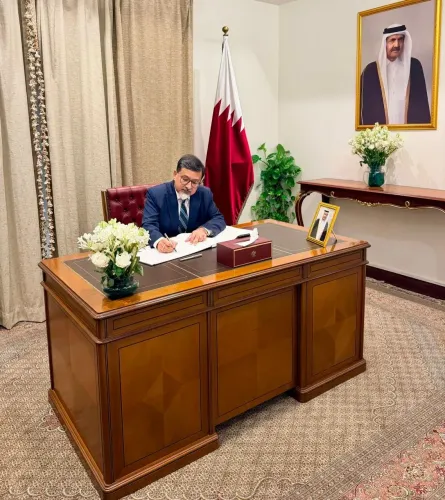
Prime Minister Narendra Modi called Qatar's Amir Sheikh Tamim on 16 July 2026 to condole the passing of the Father Amir, Sheikh Hamad bin Khalifa Al Thani, recalling his affection for India and the Indian diaspora in Qatar, reinforcing the close India-Qatar bilateral relationship.
Key Takeaways
Prime Minister Narendra Modi spoke by phone with Qatar's Amir Sheikh Tamim bin Hamad Al Thani on 16 July 2026 .
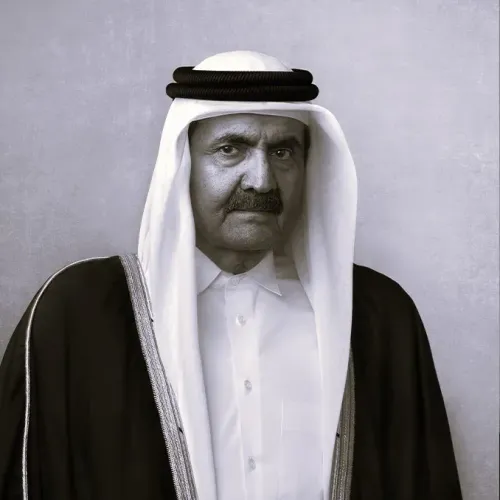
Modi conveyed condolences on the passing of the Father Amir, Sheikh Hamad bin Khalifa Al Thani , who ruled Qatar from 1995 to 2013 .
Modi recalled the late Father Amir's 'deep affection for India' and his 'warmth towards the Indian community in Qatar.' Over 7 lakh Indians live in Qatar , making it home to one of the largest Indian diaspora communities in the Gulf .
Qatar is a key LNG supplier to India and a central pillar of New Delhi's Gulf energy security strategy.
PM Modi made a state visit to Doha in June 2016 , during which multiple bilateral MoUs were signed.
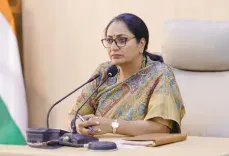
Prime Minister Narendra Modi on Thursday, 16 July 2026 spoke with Sheikh Tamim bin Hamad Al Thani, the Amir of Qatar, to convey India's heartfelt condolences on the passing of the Father Amir, Sheikh Hamad bin Khalifa Al Thani, who ruled Qatar from 1995 to 2013 and was widely credited with transforming the Gulf state into a major global actor.
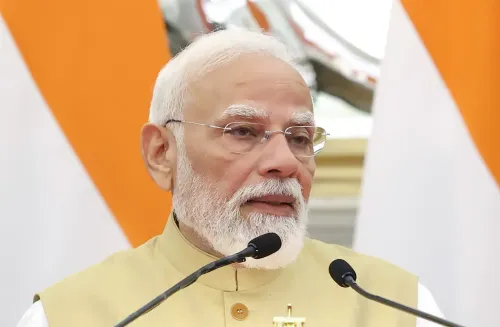
In the phone call, Prime Minister Modi recalled the late Father Amir's 'deep affection for India, his warmth towards the Indian community in Qatar,' according to the post shared on his official X account. The message reflects the close personal and institutional bonds that India and Qatar have cultivated over decades of sustained engagement.
Context
Sheikh Hamad bin Khalifa Al Thani was one of the most consequential leaders in the modern history of the Arabian Gulf. He came to power in 1995 and voluntarily abdicated in 2013 in favour of his son, Sheikh Tamim, in a rare and peaceful transfer of power in the region. During his tenure he founded Al Jazeera, expanded Qatar's sovereign wealth infrastructure, and positioned the small peninsular nation as a significant diplomatic and energy power.
His personal rapport with India was noted across multiple bilateral engagements. The Indian expatriate community, numbering over 7 lakh in Qatar, has long been among the largest and most economically significant diaspora groups in the Gulf, and the late Father Amir's administration oversaw much of the community's growth and integration into the Qatari economy.
Policy Backdrop
Prime Minister Modi made a state visit to Doha in June 2016, during which multiple memoranda of understanding on trade, investment, and security cooperation were signed, deepening the bilateral framework. Qatar is one of India's most critical energy partners, supplying a substantial share of the country's liquefied natural gas requirements under long-term contracts.
India has consistently deployed telephone diplomacy and personal condolence outreach as instruments of statecraft with Gulf Cooperation Council ruling families. Such gestures are viewed in New Delhi as essential to maintaining trust with hereditary leaderships where personal relationships carry significant diplomatic weight, a pattern that has continued across successive Indian governments.
Stakeholders and Impact
The more than 7 lakh Indians residing in Qatar represent the most directly affected stakeholder group. Their welfare, remittance flows, and consular access are closely tied to the health of the bilateral relationship. Any disruption to ties with Doha would have immediate economic consequences for families across Kerala, Tamil Nadu, Andhra Pradesh, and other states with large Gulf migrant populations.
On the energy side, India's long-term LNG import agreements with Qatar make stable diplomatic relations a matter of energy security. The transition of condolence diplomacy into the tenure of Amir Sheikh Tamim, who has now led Qatar for over a decade, reflects New Delhi's intent to keep bilateral ties insulated from leadership changes.
What's Next
Attention will now turn to whether India sends a senior representative to any official mourning ceremonies in Doha, a step that would signal the depth of bilateral regard. Follow-up bilateral meetings on energy contracts, labour welfare, and consular matters are also expected to be on the agenda in the coming weeks.
The call between Prime Minister Modi and Amir Sheikh Tamim sets a tone of continuity and mutual respect at a sensitive moment for the Qatari leadership, reinforcing that India-Qatar ties remain a priority within New Delhi's extended neighbourhood and Gulf outreach policy.
Point of View
Where personal outreach to ruling families serves as a low-cost, high-signal investment in long-term bilateral trust. By referencing the late Father Amir's warmth toward the Indian diaspora, Modi frames the condolence not merely as protocol but as an affirmation of people-to-people ties — a narrative that resonates domestically and diplomatically. The gesture also signals continuity: with Amir Sheikh Tamim now firmly in his second decade of rule, New Delhi is reinforcing that the bilateral relationship transcends generational transitions in Doha. Given Qatar's centrality to India's LNG supply chain and the welfare of over 7 lakh Indian workers, keeping this channel warm is as much strategic necessity as diplomatic courtesy.
NationPress
16 Jul 2026
Frequently Asked Questions
Who is Sheikh Hamad bin Khalifa Al Thani?
Sheikh Hamad bin Khalifa Al Thani was the Emir of Qatar from 1995 to 2013. He modernised Qatar, founded Al Jazeera, and voluntarily handed power to his son Sheikh Tamim in 2013.
Why did PM Modi call Qatar's Amir on 16 July 2026?
PM Modi called Amir Sheikh Tamim to convey India's condolences on the passing of the Father Amir, Sheikh Hamad bin Khalifa Al Thani, and to recall his affection for India and the Indian community in Qatar.
How many Indians live in Qatar?
Over 7 lakh (700,000) Indians live and work in Qatar, making it one of the largest Indian diaspora communities in the Gulf region.
What is the relationship between India and Qatar?
India and Qatar share strong ties built on energy trade, with Qatar being a major LNG supplier to India, and people-to-people links through the large Indian expatriate community. PM Modi visited Doha in June 2016 and signed multiple bilateral agreements.
Has PM Modi visited Qatar before?
Yes, PM Modi made a state visit to Doha in June 2016, during which India and Qatar signed several memoranda of understanding covering trade, investment, and security cooperation.