Delhi Start-up Policy 2025: Cabinet clears ₹400 crore plan to boost innovation
Synopsis
Delhi's Cabinet has cleared a ₹400 crore start-up policy that embeds incubation centres inside government universities, colleges, and ITIs — reaching well beyond the usual elite-institution playbook. The milestone-based funding model and an Annual Start-up Youth Festival signal a structural, not ceremonial, push to turn Delhi into a serious innovation hub.
Key Takeaways
Delhi Cabinet approved the Delhi Start-up and Incubation Policy on 16 July , with a ₹400 crore outlay over five years.
The first phase covers 11 state universities , 13 government-aided colleges , polytechnic institutions, ITIs , and government schools.
Start-ups will receive milestone-based financial assistance across prototype, proof of concept, product development, market validation, and commercialisation stages.
An Annual Delhi Start-up Youth Festival will serve as a flagship platform connecting innovators, investors, and policymakers.
Chief Minister Rekha Gupta framed the policy as converting Delhi's youth from job seekers into job creators.
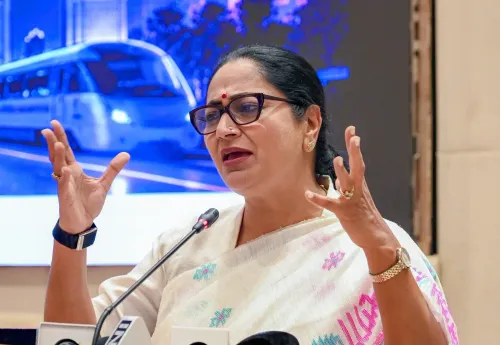
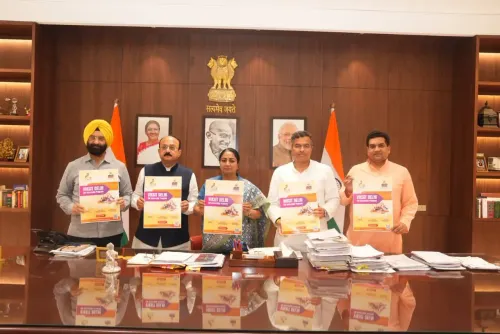
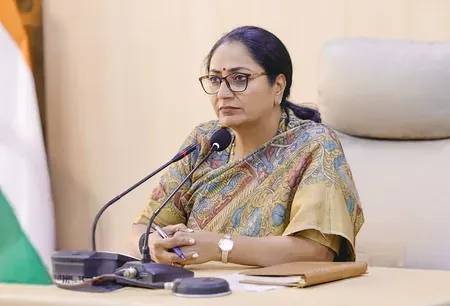
Delhi Chief Minister Rekha Gupta on Thursday, 16 July announced that the Delhi Cabinet has approved the Delhi Start-up and Incubation Policy, committing ₹400 crore over the next five years to build a structured innovation and entrepreneurship ecosystem across the national capital. The policy aims to transform Delhi into one of India's leading start-up hubs by embedding incubation infrastructure directly within educational institutions.
What the Policy Covers
In its initial phase, the policy will be rolled out across 11 state universities, 13 government-aided colleges, polytechnic institutions, Industrial Training Institutes (ITIs), and government schools. Eligible institutions will receive one-time financial assistance to set up or strengthen incubation centres, along with annual operational support for mentoring, networking, and innovation activities.
Start-ups linked to these centres will receive milestone-based financial assistance at successive growth stages — covering prototype development, proof of concept, product development, market validation, and commercialisation. The centres will also provide access to modern infrastructure, expert mentoring, business advisory services, intellectual property support, and laboratory and testing facilities.
What the Government Said
Chief Minister Gupta described the initiative as a shift in approach — from helping young people find employment to enabling them to create it. 'The support will cover various phases, including prototype development, proof of concept, product development, market validation and commercialisation, enabling promising ideas to grow into successful enterprises,' she said.
She added that the Delhi government wants to ensure that 'students, researchers, teachers, alumni and aspiring entrepreneurs with promising ideas never face a shortage of resources, mentorship or financial assistance to take those ideas forward.'
Annual Delhi Start-up Youth Festival
A flagship element of the policy is the Annual Delhi Start-up Youth Festival, designed as a premier platform bringing together young innovators, educational institutions, start-ups, investors, industry representatives, and policymakers. The festival is intended to showcase new ideas, build partnerships, and inspire entrepreneurship among Delhi's youth.
Broader Impact and Context
This comes amid a wider national push to deepen the start-up ecosystem beyond the established metros of Bengaluru and Mumbai. Delhi, as the national capital, already hosts a significant concentration of educational institutions and government research bodies — making it a logical candidate for a structured incubation drive. The policy also seeks to deepen industry-academia collaboration, encourage research-driven innovation, and accelerate Delhi's knowledge-based economy. Notably, by anchoring the programme in ITIs and government schools alongside universities, the government is signalling an intent to reach first-generation entrepreneurs, not just those already in elite institutions.
What Comes Next
Implementation will begin with the identified 11 universities and 13 colleges in the first phase. The Annual Delhi Start-up Youth Festival is expected to be developed as a recurring flagship event. Specific timelines for the first disbursements and the festival's inaugural edition have not yet been announced.
Point of View
And whether the Annual Start-up Youth Festival will have teeth beyond optics. Delhi has the institutional density to make this work; execution rigour will determine whether it does.
NationPress
15 Oct 2026
Frequently Asked Questions
What is the Delhi Start-up and Incubation Policy?
It is a state government policy approved by the Delhi Cabinet on 16 July, committing ₹400 crore over five years to build an incubation and entrepreneurship ecosystem across Delhi's educational institutions, including universities, colleges, ITIs, and government schools.
How much funding will start-ups receive under this policy?
Start-ups associated with approved incubation centres will receive milestone-based financial assistance at different growth stages, covering prototype development, proof of concept, product development, market validation, and commercialisation. Specific per-start-up amounts have not been publicly detailed.
Which institutions are covered in the first phase?
The initial phase covers 11 state universities, 13 government-aided colleges, polytechnic institutions, Industrial Training Institutes (ITIs), and government schools across Delhi.
What is the Annual Delhi Start-up Youth Festival?
It is a flagship event under the new policy designed to bring together young innovators, educational institutions, start-ups, investors, industry representatives, and policymakers on a common platform to showcase ideas, build partnerships, and inspire entrepreneurship.
Why is Delhi launching this policy now?
Chief Minister Rekha Gupta has framed the policy as a strategic move to develop Delhi into one of India's leading innovation hubs, deepen industry-academia collaboration, and shift the city's youth from job seekers to job creators, aligning with a broader national push to expand the start-up ecosystem beyond Bengaluru and Mumbai.