PM Modi greets nation with Sanskrit verse for Navratri
Synopsis
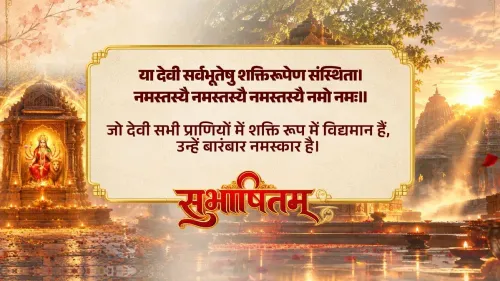
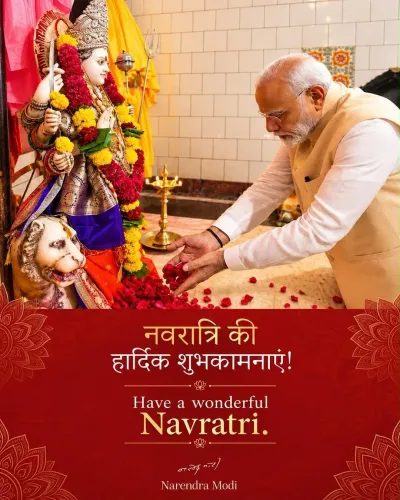
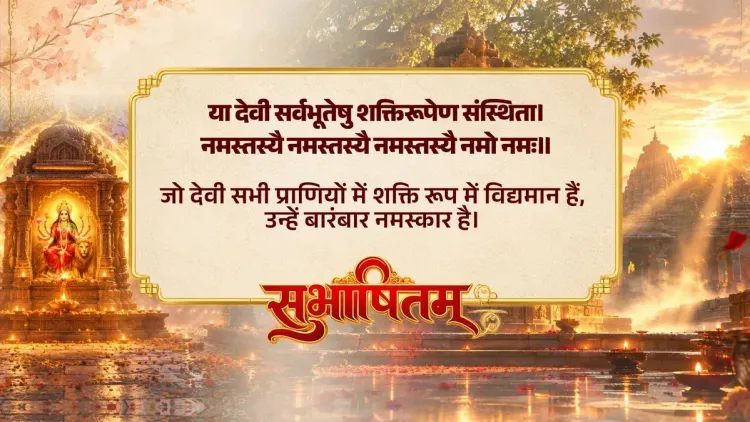
Prime Minister Narendra Modi marked Navratri 2026 by sharing a Sanskrit shloka from the Devi Mahatmya — 'Ya Devi Sarvabhuteshu Shakti-rupena samsthita' — on X, continuing his established practice of devotional outreach on major Hindu festivals.
Key Takeaways
PM Modi posted a Sanskrit shloka from the Devi Mahatmya on October 15, 2026 to mark Navratri .
The verse — 'Ya Devi Sarvabhuteshu Shakti-rupena samsthita' — translates as a salutation to the Goddess who dwells in all beings as power.
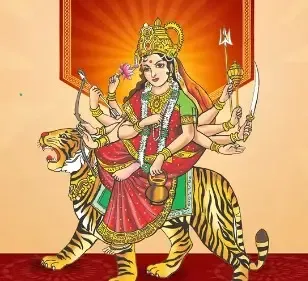
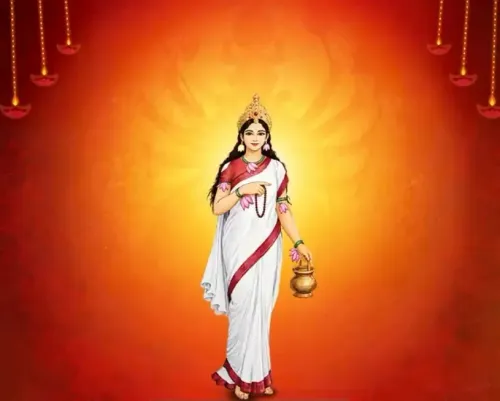
Navratri is a nine-night Hindu festival dedicated to the nine forms of Goddess Durga .
Modi has a consistent pattern of sharing Sanskrit devotional verses on major Hindu festivals via official social media.
The use of Sanskrit aligns with broader government initiatives promoting India's classical linguistic heritage.
A sacred Sanskrit shloka, not a political statement, opened Prime Minister Narendra Modi's Navratri message on Thursday, October 15, 2026 — a verse that has echoed through Hindu worship for centuries and now travels across millions of screens at the festival's heart.
The verse Modi shared reads: 'Ya Devi Sarvabhuteshu Shakti-rupena samsthita, Namastasyai Namastasyai Namastasyai Namo Namah' — 'To the Goddess who resides in all beings as power, we bow to her, we bow to her, we bow to her, again and again.' Drawn from the Devi Mahatmya, one of Hinduism's most revered scriptural tributes to the divine feminine, the shloka is among the most recited prayers during Navratri.
Nine nights, one verse, a billion conversations
Navratri — the nine-night festival dedicated to the nine forms of Goddess Durga — is one of the largest religious observances in India, marked by fasting, communal prayer, garba dancing, and the lighting of lamps from Gujarat to West Bengal. The festival carries particular cultural weight in the Prime Minister's home state of Gujarat, where garba celebrations draw international attention each year. Modi has made the practice of sharing Sanskrit devotional verses on major Hindu festivals a consistent feature of his public communication — a choice that signals both personal religiosity and a broader emphasis on India's classical cultural inheritance. The deliberate use of Sanskrit, a language championed under several central government initiatives, adds a layer of cultural assertion to what is, at its core, a devotional greeting. For hundreds of millions of Hindu devotees currently in the midst of Navratri observances, the shloka needs no translation — it is already on their lips.Point of View
Such gestures function simultaneously as personal devotion and mass outreach, reaching a demographic that responds strongly to the language of tradition. The pattern is deliberate and durable.
NationPress
15 Oct 2026
Frequently Asked Questions
What shloka did PM Modi post for Navratri 2026?
PM Modi posted the shloka 'Ya Devi Sarvabhuteshu Shakti-rupena samsthita, Namastasyai Namastasyai Namastasyai Namo Namah' from the Devi Mahatmya, saluting the Goddess who dwells in all beings as power.
What is the meaning of 'Ya Devi Sarvabhuteshu Shakti-rupena samsthita'?
The verse means: 'To the Goddess who resides in all beings in the form of power — we bow to her, we bow to her, we bow to her, again and again.' It is one of the most recited prayers during Navratri.
What is Navratri and when is it celebrated?
Navratri is a nine-night Hindu festival dedicated to the nine forms of Goddess Durga. It is one of India's most widely observed religious festivals, marked by fasting, prayer, and garba dancing.
Why does PM Modi post Sanskrit shlokas on Hindu festivals?
Modi has consistently shared Sanskrit devotional verses on major Hindu festivals as part of a practice that highlights India's classical religious and cultural traditions through his official social media channels.
Where does the Navratri shloka come from?
The 'Ya Devi Sarvabhuteshu' shloka is drawn from the Devi Mahatmya, one of Hinduism's most revered scriptures dedicated to the divine feminine, and is among the most recited prayers during Navratri.