PM Modi hails India's Asian Para Games rise: 14 to 114 medals
Synopsis
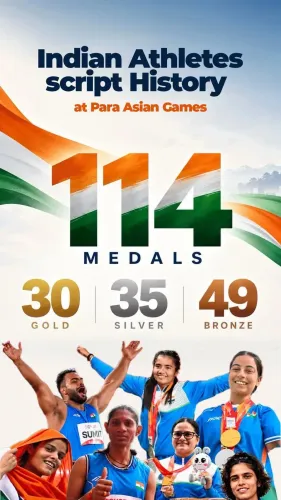
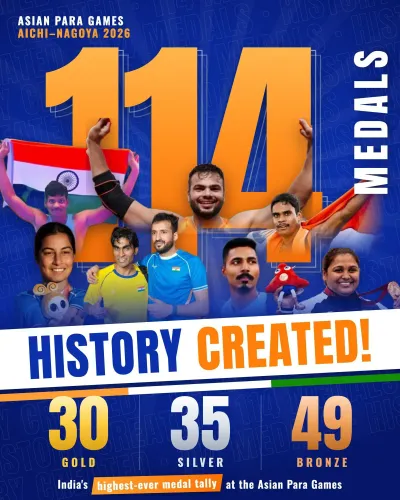
Prime Minister Narendra Modi marked India's surge from 14 to 114 medals at the Asian Para Games, citing 30 golds, 5 world records, 4 podium sweeps, and a 60 per cent debutant-to-medallist conversion rate as evidence of a maturing para sports ecosystem.
Key Takeaways
India's Asian Para Games medal tally rose from 14 to 114 , a historic high.
The contingent won 30 gold medals , set 5 world records and 9 Asian records , and swept the entire podium in 4 events .
36 of 61 first-time participants returned with medals — a nearly 60 per cent debutant conversion rate.
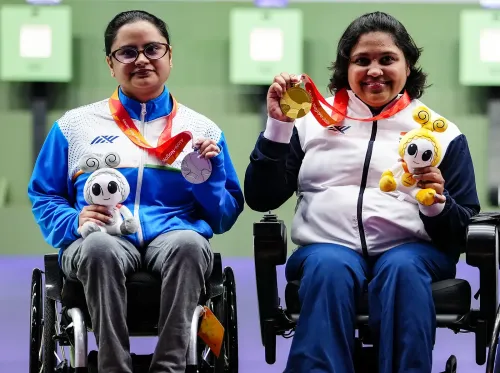
34 medal winners came from among the 56 women athletes in the squad.
The Khelo India programme , launched in 2017, provides the policy and funding backbone for India's para sports growth.
PM Modi framed the results as proof that talent now has institutional backing, signalling a cultural and policy shift toward inclusion in sport.
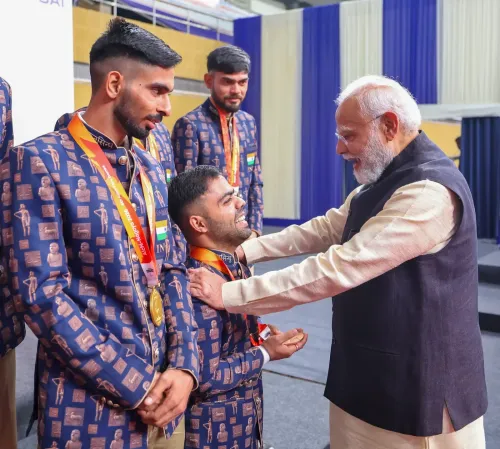
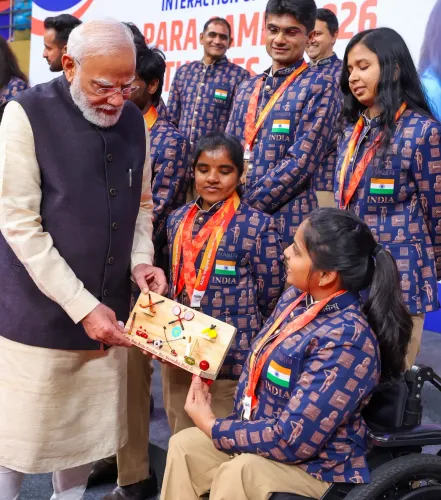
From the margins of the medal table to a powerhouse finish — India's journey at the Asian Para Games tells a story of transformation that no single number can fully capture. Prime Minister Narendra Modi on Thursday, 5 November 2026, pointed to the arc from 14 to 114 medals as proof that the country's para athletes are no longer competing to participate — they are competing to dominate.
From 14 to 114: what the leap really means
The jump in India's Asian Para Games medal tally is not a single tournament result — it is the cumulative output of years of investment, policy attention, and athletes quietly doing extraordinary things. Prime Minister Modi called it a 'statistic of India's rise,' but then went further: the numbers, he said, point to 'the immense potential and talent of our athletes.' That reframing matters. It shifts the story from government achievement to athlete agency.
The haul at this edition included 30 gold medals, 5 world records, 9 Asian records, and 4 events where Indian athletes swept the entire podium — an almost unimaginable outcome for a delegation that once returned home with a handful of medals.
36 of 61 debutants medallist — the pipeline is real
Perhaps the sharpest data point in Modi's post is the debutant conversion rate: of the 61 athletes making their first Asian Para Games appearance, 36 came home with medals. That is a nearly 60 per cent strike rate among first-timers — a figure that signals depth, not just individual brilliance at the top.
The other number that stood out: 34 medal winners among 56 women athletes in the contingent. More than half of the women who competed returned with medals. For a country still navigating questions of gender equity in sport — and especially in para sport — that ratio is a genuine milestone, not a talking point.
Khelo India and the infrastructure behind the surge
The policy scaffolding underpinning these results is not new, but its effects are compounding. The Khelo India programme, launched in 2017, extended grassroots sports funding and institutional support to para athletes alongside able-bodied ones — a shift that brought training infrastructure, stipends, and competitive exposure to a previously underserved group.
India's successive improvements across Asian Para Games editions track closely with this investment cycle. Better facilities, more coaching bandwidth, and — critically — a cultural signal from the top that para sport is a legitimate career path have all fed into the pipeline. Modi's post acknowledged the cultural dimension directly: 'Those days are long over when society frowned upon youngsters who wanted to pursue sports.'
What this contingent's results signal for the Paralympic cycle ahead
The debutant depth and women's medal ratio are the two indicators worth watching as India enters the next Paralympic Games cycle. A wide, young base of athletes who have already won at the Asian level means the funnel into Paralympic contention is broader than ever. The podium sweeps in four events suggest India now has the squad density — not just one star performer — to challenge for top honours at global level.
Modi closed with a direct call to the next generation: 'Come, play and shine.' With a squad that turned 60 per cent of its debutants into medallists, the pitch is no longer aspirational. It is backed by evidence.
Point of View
Democratic pipeline rather than a niche elite programme. The '14 to 114' framing is a classic development-arc narrative that the BJP has consistently deployed to anchor sports policy achievements to broader 'New India' branding. With the next Paralympic cycle approaching, the government has a strategic interest in sustaining this momentum; the question is whether the institutional investment keeps pace with the expectations that headline numbers like these generate.
NationPress
5 Nov 2026
Frequently Asked Questions
What was India's medal tally at the Asian Para Games?
India won 114 medals at the Asian Para Games, including 30 gold medals , compared to just 14 medals at an earlier edition — a dramatic rise highlighted by Prime Minister Modi.
How many world records did India set at the Asian Para Games 2026?
Indian athletes set 5 world records and 9 Asian records at the Asian Para Games, according to Prime Minister Modi's post on 5 November 2026.
How many Indian women athletes won medals at the Asian Para Games?
34 medal winners came from among the 56 women athletes in India's Asian Para Games contingent, representing a medallist rate of over 60 per cent among women competitors.
What is the Khelo India programme and how does it support para athletes?
The Khelo India programme , launched in 2017 , promotes grassroots sports development across India, including funding, coaching, and infrastructure support for para athletes alongside able-bodied competitors.
How many debutants won medals at the Asian Para Games for India?
Of the 61 athletes making their Asian Para Games debut, 36 returned with medals — a nearly 60 per cent conversion rate that signals strong depth in India's para sports pipeline.