PM Modi Highlights PLI, Aviation and Talent Mobility Opportunities
Synopsis
Prime Minister Narendra Modi on 11 July 2026 highlighted India's PLI Schemes, rapid airport and cargo infrastructure growth, and the potential for services, technology, and talent mobility to drive immense economic opportunities, continuing New Delhi's push to pair industrial policy with logistics modernisation.
Key Takeaways
PM Modi identified services, technology, and talent mobility as sectors with 'immense economic opportunities' for India.
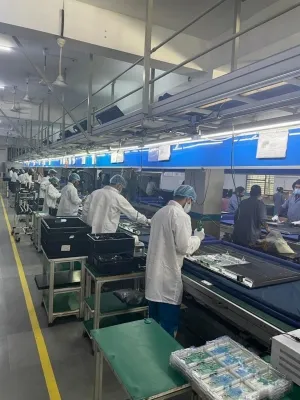
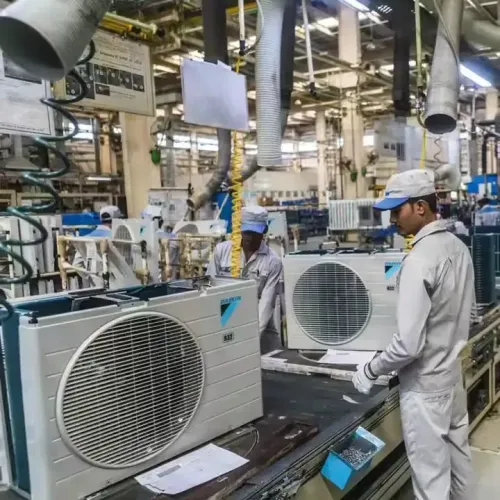
India's PLI Schemes , expanded to 14 sectors since 2020-21, have been cited as a key driver of manufacturing strength.
Rapid growth in airports, regional connectivity, and cargo infrastructure was highlighted as a parallel pillar of economic expansion.
The UDAN scheme , launched in 2016 , underpins regional air connectivity by subsidising routes to smaller cities.
The National Infrastructure Pipeline targets Rs 111 lakh crore in investment across transport, energy, and urban sectors.
The post signals continued policy focus on pairing manufacturing incentives with logistics upgrades to boost exports and domestic value addition.
Prime Minister Narendra Modi on Saturday, 11 July 2026 underscored the vast economic potential India holds in services, technology, and talent mobility, while pointing to the Production Linked Incentive (PLI) Schemes and rapid infrastructure expansion — particularly in aviation — as key pillars of the country's growth story.
Context
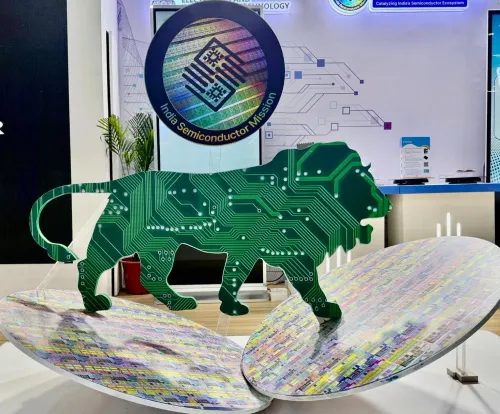
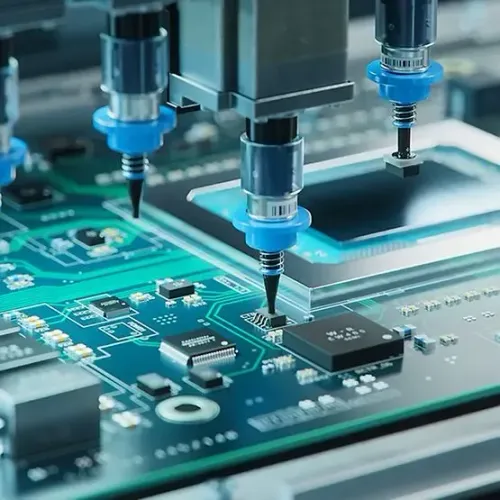
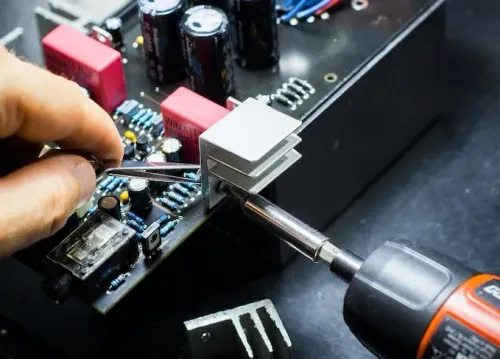
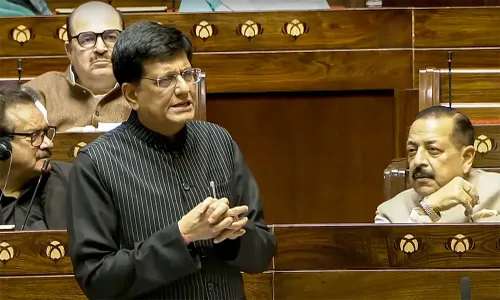
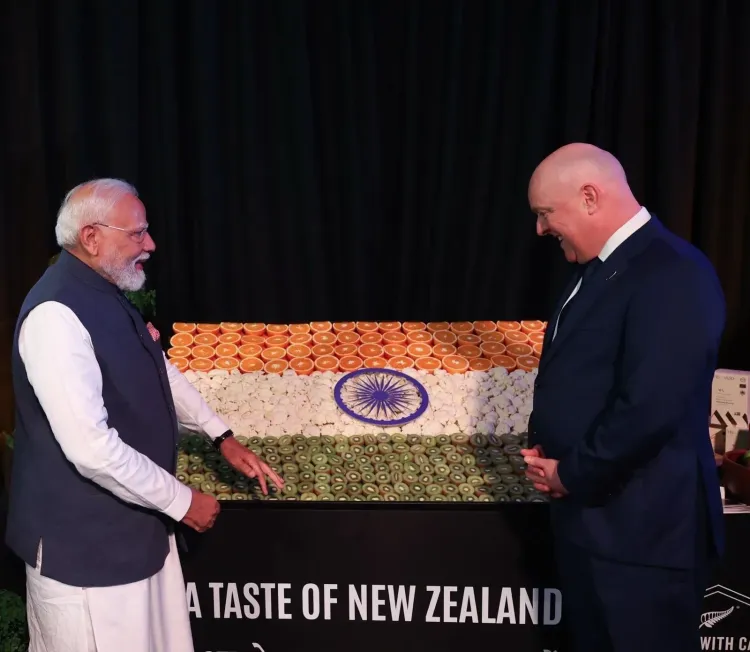
In his post on X, Prime Minister Modi stated: 'There could be immense economic opportunities in sectors such as services, technology and talent mobility. India's PLI Schemes have helped strengthen manufacturing. At the same time, there is rapid growth in infrastructure be it airports, regional connectivity, cargo and...' The post was accompanied by four images, signalling a structured communication around India's economic positioning.
The remarks reflect a broader effort to project India as a destination for investment across both traditional manufacturing and high-value service sectors. Talent mobility — the cross-border movement of skilled professionals — has emerged as a recurring theme in India's bilateral economic engagements.
Policy Backdrop
The PLI Schemes, first announced in the Union Budget 2020-21 for mobile manufacturing, were subsequently expanded to 14 sectors including pharmaceuticals, electronics, and automobiles. They provide financial incentives tied to incremental production and exports, and have been credited with attracting significant domestic and foreign investment into Indian manufacturing.
On the infrastructure side, the National Infrastructure Pipeline, unveiled in 2019, outlined an investment target of Rs 111 lakh crore across transport, energy, and urban projects. Aviation has been a standout performer within this framework, with the UDAN scheme — launched in 2016 — subsidising routes to smaller airports to improve regional air access and stimulate local economies. The combined push on cargo infrastructure and regional connectivity has positioned aviation as a logistics enabler, not merely a passenger service.
The Prime Minister's mention of 'regional connectivity' and 'cargo' alongside airports suggests a deliberate framing of aviation infrastructure as an economic multiplier — linking manufacturing hubs to markets and enabling faster movement of goods and people.
Stakeholders and Impact
Manufacturing firms operating under PLI frameworks stand to benefit from continued policy support, while air cargo operators are positioned to gain from expanded airport capacity and new regional routes. Skilled professionals in technology and services sectors are directly implicated in the talent mobility dimension of the Prime Minister's remarks.
For smaller cities and towns, the expansion of regional air connectivity under schemes like UDAN translates into improved market access, lower logistics costs, and greater integration with national and global supply chains. The convergence of manufacturing incentives and logistics modernisation is designed to raise exports and increase domestic value addition simultaneously.
International partners — particularly those engaged in bilateral talks on technology standards and professional visa frameworks — are also key stakeholders, as talent mobility requires reciprocal policy commitments from destination countries.
What's Next
Observers will watch for potential expansion of PLI sectors or fresh civil aviation investments in the next Union Budget, which would give legislative and financial weight to the priorities outlined in the Prime Minister's post. Bilateral negotiations on talent mobility agreements and technology cooperation frameworks are also expected to advance in the coming months.
The consistent pairing of industrial policy with logistics and connectivity upgrades signals that New Delhi views infrastructure not as a standalone goal but as a structural enabler of India's ambitions in global services and manufacturing value chains.
Point of View
Outward-facing articulation of India's economic offer — stitching together manufacturing (PLI), logistics (airports, cargo), and human capital (talent mobility) into a single investment narrative. This is consistent with a broader pattern of using high-visibility digital communication to reinforce policy messaging ahead of bilateral engagements or budget cycles. The explicit mention of talent mobility is notable: it elevates a politically sensitive issue — the cross-border movement of skilled workers — to the level of a national economic asset rather than a diplomatic concession. The framing suggests New Delhi is increasingly confident in positioning India's workforce as a negotiating strength in trade and technology partnerships.
NationPress
11 Jul 2026
Frequently Asked Questions
What are India's PLI Schemes and which sectors do they cover?
India's Production Linked Incentive (PLI) Schemes provide financial incentives to companies based on incremental production and exports. First announced in the Union Budget 2020-21 for mobile manufacturing, they have since been expanded to 14 sectors including pharmaceuticals, electronics, and automobiles.
What is the UDAN scheme and how does it support regional connectivity?
UDAN (Ude Desh ka Aam Naagrik) is a regional connectivity scheme launched in 2016 that subsidises air routes to smaller and underserved airports across India, making air travel more accessible and stimulating local economies.
What did PM Modi say about talent mobility?
PM Modi stated that there could be 'immense economic opportunities' in talent mobility alongside services and technology, framing the cross-border movement of skilled professionals as a strategic economic asset for India.
What is India's National Infrastructure Pipeline?
The National Infrastructure Pipeline, unveiled in 2019, is a government framework that outlined an investment target of Rs 111 lakh crore across transport, energy, and urban infrastructure projects to drive long-term economic growth.
How do PLI Schemes and airport expansion work together for India's economy?
PLI Schemes strengthen manufacturing by incentivising production, while airport and cargo infrastructure expansion improves logistics, reduces costs, and connects manufacturing hubs to domestic and global markets — together raising exports and domestic value addition.