PM Modi Chairs Council of Ministers Meet on Viksit Bharat Reforms
Synopsis
Prime Minister Narendra Modi says the Council of Ministers held a productive meeting exchanging best practices on Ease of Living, Ease of Doing Business, and reforms toward the Viksit Bharat vision of a developed India by 2047.
Key Takeaways
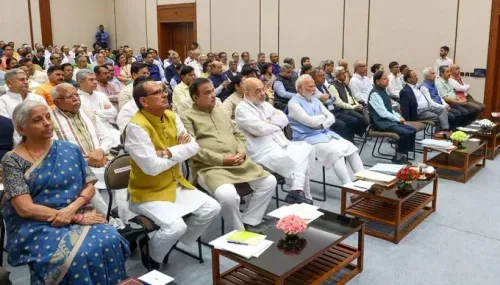
PM Narendra Modi described the Council of Ministers meeting held on 21 May 2026 as 'fruitful.' Ministers exchanged perspectives and best practices on Ease of Living and Ease of Doing Business .
The discussions were anchored to the government's long-term goal of a Viksit Bharat — a developed India by 2047 .
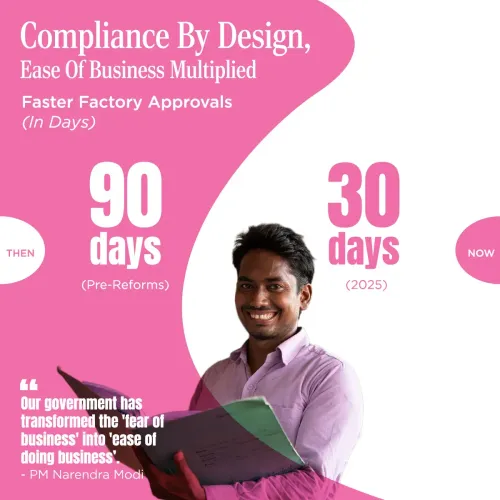
The Ease of Doing Business reform programme has been a flagship initiative since 2014 , targeting regulatory simplification for industry.
Cabinet-level governance reviews have historically preceded major legislative reforms including GST and the Insolvency and Bankruptcy Code .
Next steps may include cabinet-approved reform packages or announcements during the monsoon session of Parliament .
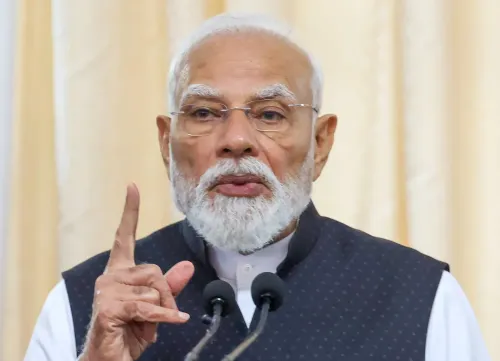
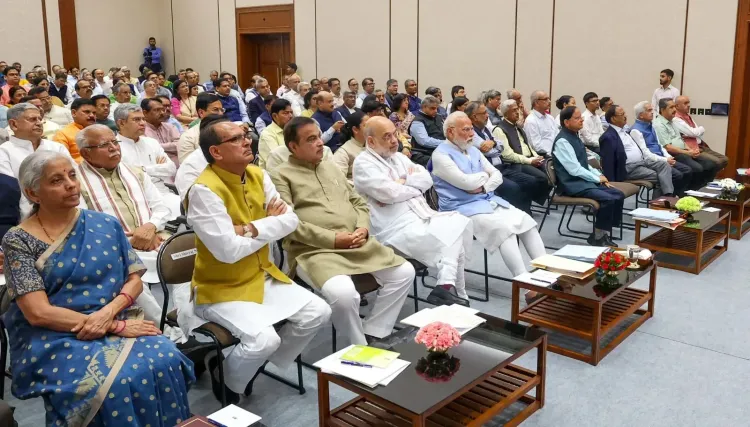
Prime Minister Narendra Modi on Friday, 22 May 2026, said the Council of Ministers held a productive meeting the previous day, during which members exchanged perspectives and best practices on advancing Ease of Living, Ease of Doing Business, and broader governance reforms aimed at achieving the national vision of a Viksit Bharat.
Context
Writing on X, Prime Minister Modi described the ministerial session as 'fruitful,' noting that the cabinet exchanged views on 'boosting Ease of Living, Ease of Doing Business and how to further reforms in order to realise our shared dream of a Viksit Bharat.' The meeting underscores the administration's continued use of collective ministerial deliberation to align regulatory simplification with citizen-service delivery under a single long-term development goal.
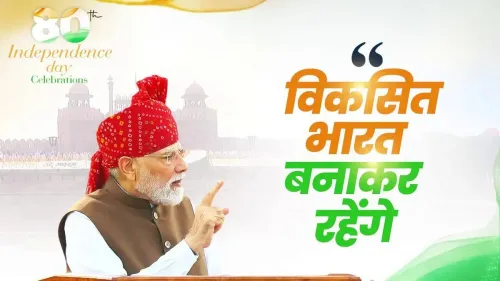
The Viksit Bharat vision — India's aspiration to become a fully developed economy by 2047, the centenary of independence — has served as the overarching framework for the government's policy agenda since it was formally articulated in the 2023 and 2024 Union Budget speeches and Independence Day addresses.
Policy Backdrop
The Ease of Doing Business reform programme, launched in 2014, was designed to simplify regulations, reduce compliance burdens on industry, and improve India's global competitiveness rankings. Over successive years, the initiative drove measurable improvements in areas such as construction permits, contract enforcement, and cross-border trade procedures.
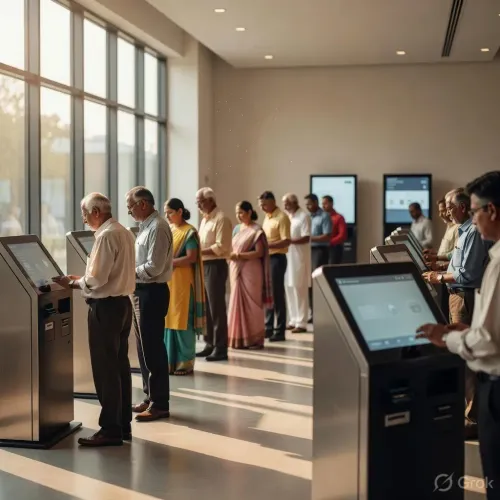
Complementing it, the Ease of Living initiative takes a citizen-centric lens — measuring and improving quality of life through better urban infrastructure, digital governance, and public service delivery. Together, the two frameworks represent the twin pillars of the Modi government's governance reform architecture since 2014. Cabinet-level reviews of this kind have historically preceded landmark legislative interventions, including the introduction of the Goods and Services Tax (GST) and the Insolvency and Bankruptcy Code.
Stakeholders and Impact
The primary beneficiaries of the reforms discussed span two broad groups: businesses seeking a lighter regulatory environment and faster approvals, and citizens expecting improved public services, cleaner cities, and more responsive governance. Incremental liberalisation in taxation, labour laws, and digital public infrastructure over the past decade has demonstrated that coordinated ministerial alignment can translate into tangible on-ground outcomes.
The approach reflects a consistent preference in the current administration for top-down reform direction followed by phased implementation across states, ensuring that both the union government and state administrations move in step toward shared benchmarks.
What's Next
Observers will watch for specific cabinet-approved reform packages that may follow from the discussions, as well as potential announcements during the upcoming monsoon session of Parliament. Updates to the Ease of Living Index — which tracks city-level quality-of-life indicators — could also emerge as a measurable output of the renewed ministerial focus. The meeting signals that governance reform remains a live priority at the highest levels of the union government as India moves deeper into its centenary-of-independence countdown.
Point of View
The Prime Minister signals that the Viksit Bharat agenda is entering an active implementation phase rather than remaining a rhetorical aspiration. The dual emphasis on Ease of Living and Ease of Doing Business is strategically significant — it broadens the reform coalition beyond industry lobbies to include urban voters sensitive to service delivery. How quickly specific policy outputs follow this meeting will determine whether it marks a genuine acceleration or a routine coordination exercise.
NationPress
19 Sept 2026
Frequently Asked Questions
What was discussed in the Council of Ministers meeting on 21 May 2026?
Prime Minister Modi said ministers exchanged perspectives and best practices on boosting Ease of Living, Ease of Doing Business, and further reforms to advance the Viksit Bharat vision, though specific agenda items or decisions from the meeting have not been officially detailed.
What is Viksit Bharat?
Viksit Bharat is the Modi government's national vision to transform India into a fully developed economy by 2047, the centenary of Indian independence. It has been the guiding framework in Union Budget speeches and Independence Day addresses since 2023.
What is the Ease of Doing Business initiative in India?
Ease of Doing Business is a flagship reform programme launched in 2014 to simplify regulations, reduce compliance burdens on businesses, and improve India's global competitiveness. It contributed to India's steady climb in international rankings before the World Bank discontinued its index.
What is the Ease of Living initiative?
Ease of Living is a citizen-centric government initiative that measures and works to improve quality of life through better urban infrastructure, digital governance, and public service delivery across Indian cities.
What reforms could follow the May 2026 Council of Ministers meeting?
Analysts expect potential cabinet-approved reform packages, possible announcements during the monsoon session of Parliament, or updated Ease of Living Index indicators as measurable outputs from the ministerial discussions.