PM Modi to Inaugurate Rs 4,700 Cr Projects in Chandigarh
Synopsis
Prime Minister Narendra Modi is set to inaugurate and lay foundation stones for development works worth over Rs 4,700 crore in Chandigarh on 17 July 2026, headlined by two new specialised centres at PGIMER and road projects linking Punjab, Haryana, Himachal Pradesh, and Jammu and Kashmir.
Key Takeaways
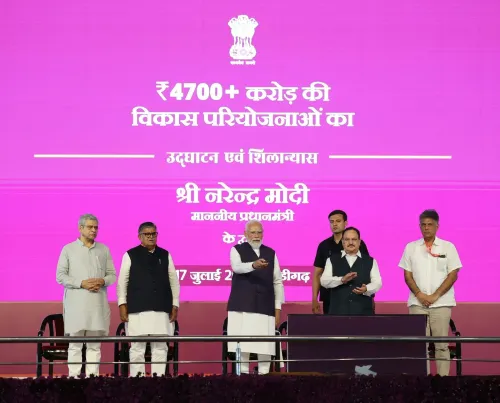
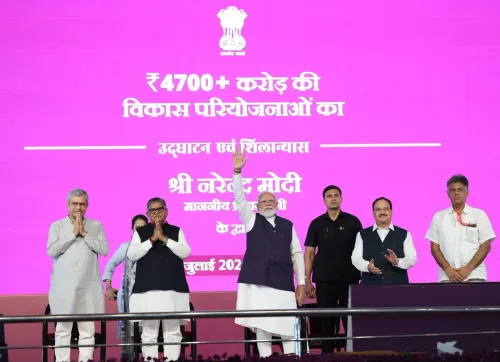
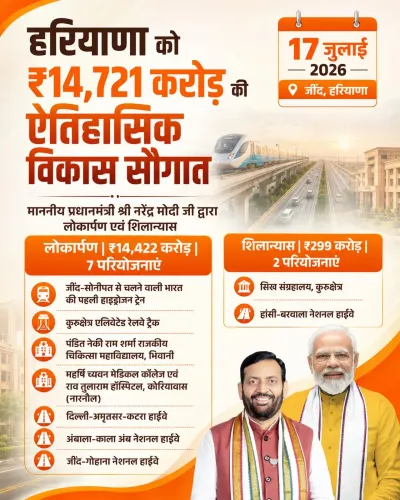
PM Modi will preside over development works worth over Rs 4,700 crore in Chandigarh on 17 July 2026 .
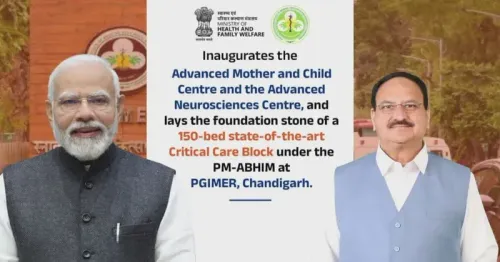
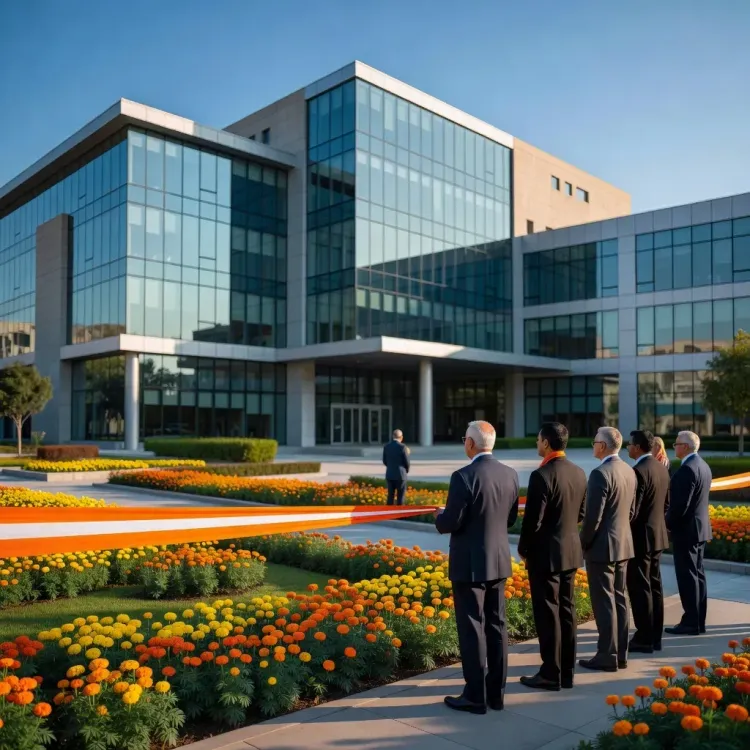
The Advanced Mother and Child Centre and the Advanced Neurosciences Centre at PGIMER, Chandigarh will be inaugurated.
Road connectivity projects spanning Punjab , Haryana , Himachal Pradesh , and Jammu and Kashmir are included in the programme.
PGIMER is a premier tertiary care institution established in 1962 , serving as a major referral centre for northern India.
The programme reflects the central government's pattern of bundling health infrastructure upgrades with highway connectivity investments during visits to Chandigarh .
Operational rollout timelines and further funding disclosures are expected in subsequent parliamentary or budget announcements.
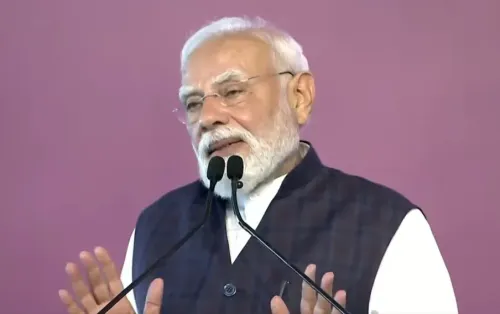
Prime Minister Narendra Modi announced on Thursday, 17 July 2026, that he will inaugurate and lay foundation stones for development works worth over Rs 4,700 crore in Chandigarh, with the programme set to include landmark health infrastructure upgrades at one of northern India's premier medical institutions alongside road connectivity projects spanning four states.
Context
In a post on X, the Prime Minister wrote: 'It is always wonderful to be in Chandigarh. During tomorrow's programme, development works worth over Rs. 4700 crore would either be inaugurated or their foundation stones would be laid.' The announcement signals a significant single-day investment push in the Union Territory, which serves as the joint capital of Punjab and Haryana.
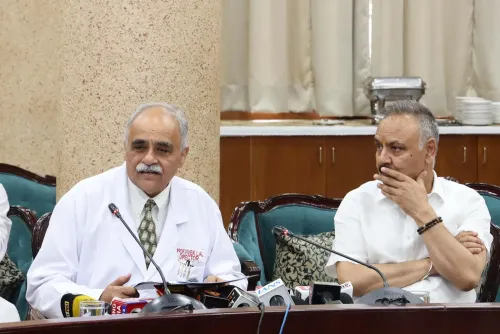
Among the headline projects are the inauguration of the Advanced Mother and Child Centre and the Advanced Neurosciences Centre at the Post Graduate Institute of Medical Education and Research (PGIMER), Chandigarh — a premier tertiary care and research institution established in 1962 that caters to patients across northern India.
Policy Backdrop
The health infrastructure component aligns with the central government's broader push to strengthen tertiary care facilities, a priority that gained formal shape under the Ayushman Bharat health infrastructure mission launched in 2018. Upgrading specialised centres at institutions like PGIMER has been a recurring element of that agenda, given the institute's role as a referral destination for patients from Punjab, Haryana, Himachal Pradesh, and Jammu and Kashmir.
The road connectivity projects announced alongside the health works are consistent with the Bharatmala Pariyojana programme, approved in 2015, which targets improved inter-state highway corridors. PM Modi specifically noted that 'the road projects will improve connectivity between Punjab, Haryana, Himachal Pradesh and Jammu and Kashmir,' covering a strategically significant northern corridor that includes a Union Territory with active border considerations.
Stakeholders and Impact
The two new centres at PGIMER are expected to directly benefit patients who travel long distances from across the four states for specialised maternal, child, and neurological care — services that are otherwise scarce in smaller district hospitals. The Advanced Neurosciences Centre in particular addresses a gap in high-end neurological treatment capacity in the region.
Residents and transporters across Punjab, Haryana, Himachal Pradesh, and Jammu and Kashmir stand to gain from improved road infrastructure, with better connectivity expected to reduce travel time, lower logistics costs, and support economic activity along the corridors. The bundling of health and road projects in a single programme reflects a pattern the central government has employed during previous visits to Chandigarh to maximise regional impact.
What's Next
The operational rollout timelines for both the PGIMER centres and the road stretches will be closely watched, including staffing plans for the new medical facilities and construction schedules for the highway projects. Any supplementary funding disclosures or tender awards linked to these works in upcoming parliamentary sessions or budget cycles will indicate the pace of on-ground execution.
With Chandigarh sitting at the intersection of four states and Union Territories, the programme is also likely to carry political resonance ahead of state-level electoral cycles in the region, making the pace and visibility of project delivery a key metric for stakeholders on all sides.
Point of View
A nationally recognised institution, gives the announcement a credibility and reach that extends well beyond the Union Territory itself. The four-state road corridor framing is particularly notable given that Jammu and Kashmir's inclusion adds a strategic, border-connectivity dimension to what might otherwise read as routine regional development. How quickly the new PGIMER centres become fully operational will be the real test of whether the inauguration translates into durable healthcare gains for northern India's patients.
NationPress
15 Oct 2026
Frequently Asked Questions
What projects will PM Modi inaugurate in Chandigarh on 17 July 2026?
PM Modi will inaugurate or lay foundation stones for development works worth over Rs 4,700 crore, including the Advanced Mother and Child Centre and the Advanced Neurosciences Centre at PGIMER, Chandigarh, along with road connectivity projects.
What is PGIMER Chandigarh and why is it significant?
PGIMER, or the Post Graduate Institute of Medical Education and Research, is a premier tertiary care and research institution in Chandigarh established in 1962. It serves as a major referral hospital for patients from Punjab, Haryana, Himachal Pradesh, and Jammu and Kashmir.
Which states will benefit from the road projects announced by PM Modi in Chandigarh?
The road projects are designed to improve connectivity between Punjab, Haryana, Himachal Pradesh, and Jammu and Kashmir, covering a strategically important northern corridor.
What is the Advanced Neurosciences Centre at PGIMER?
The Advanced Neurosciences Centre at PGIMER, Chandigarh is a new specialised facility being inaugurated to expand high-end neurological treatment capacity in northern India, addressing a significant gap in the region's healthcare infrastructure.
How does the Chandigarh programme fit into the central government's infrastructure policy?
The programme aligns with the Ayushman Bharat health infrastructure mission for tertiary care upgrades and the Bharatmala Pariyojana road development programme, both of which are central pillars of the government's infrastructure agenda.