PM Modi makes special appeal to college professors on drug-free India

Synopsis
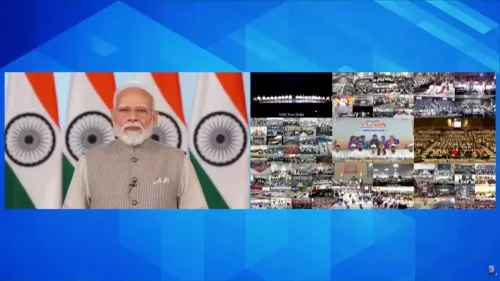
Prime Minister Narendra Modi on August 2, 2026, made a personal video appeal to professors at colleges and universities across India to actively participate in the country's de-addiction drive, extending the reach of the Nasha Mukt Bharat Abhiyan into faculty-led campus action.
Key Takeaways
Prime Minister Narendra Modi posted a special video appeal on August 2, 2026 , directed at college and university professors across India.
The appeal calls on faculty to join the national effort toward de-addiction and a drug-free India.
The government's Nasha Mukt Bharat Abhiyan , launched in August 2020 , has designated educational institutions as priority zones for anti-drug outreach.
This appeal marks a shift from student-volunteer-led awareness to direct engagement of university and college faculty as active participants.
Possible next steps include professor-led de-addiction modules and formal guidelines from the Ministry of Social Justice and Empowerment .
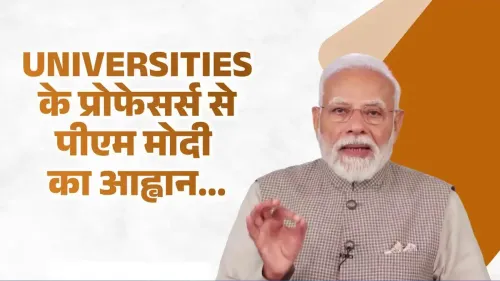
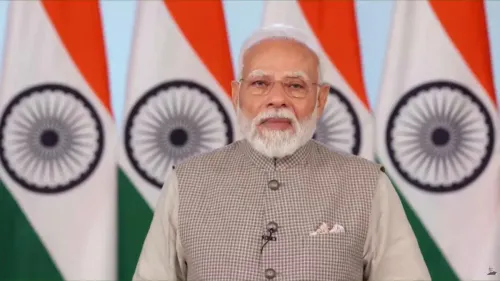
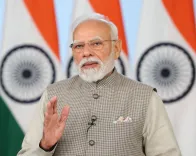
A special call from the highest office — and this time, it is directed squarely at the people who shape young minds. Prime Minister Narendra Modi on Sunday, August 2, 2026, made a personal appeal to professors and faculty across India's colleges and universities to actively join the fight against substance abuse.
In a Hindi-language post on X, the Prime Minister wrote: 'Nasha mukti ki disha mein deshbhar ke colleges aur universities ke hamare professors se mera yeh vishesh aahwan...' — translated: 'My special appeal to professors at colleges and universities across the country, in the direction of de-addiction...' The post was accompanied by a video carrying the full message.
Why professors, why now
The appeal is not incidental. India's anti-drug architecture has long identified educational institutions as the front line of prevention, and faculty — not just administrators or counsellors — as the most trusted voices in a student's daily life. A professor who flags early signs of addiction, or who integrates awareness into classroom culture, reaches students at precisely the age when substance use patterns form.
The government's flagship Nasha Mukt Bharat Abhiyan, launched in August 2020 by the Ministry of Social Justice and Empowerment, was built on exactly this logic — community and institutional participation as the engine of demand reduction, with universities and colleges designated as priority outreach zones from the programme's first year.
A campaign that keeps expanding its circle
Modi's direct address to professors marks a deliberate escalation in who the government is asking to carry this message. Earlier phases of the Abhiyan leaned on student volunteers, campus clubs, and institutional administrators. Pulling faculty into the appeal as named, active participants raises the stakes — and the expectation. It signals that the campaign is moving from awareness events to embedding de-addiction as a sustained, faculty-driven responsibility inside academic life.
Observers will now watch whether the Ministry of Social Justice and Empowerment follows with formal guidelines, professor-led module rollouts, or incentive structures for institutions that adopt anti-addiction curricula — the logical next step if this appeal is to move beyond symbolism.
The message is simple and the audience is specific: India's campuses have a drug problem, the government wants its professors to be part of the solution, and the Prime Minister is asking personally.
Point of View
Parents, or institutional heads — reflects a calculated deepening of the Nasha Mukt Bharat Abhiyan's outreach strategy. By naming faculty as responsible actors, the government is attempting to institutionalise anti-addiction work inside everyday academic life rather than confine it to periodic awareness events. This fits a broader BJP governance pattern of mobilising trusted community figures — teachers, religious leaders, local officials — as force multipliers for social campaigns. The real test will be whether this appeal is followed by structural support from the Ministry of Social Justice, or whether it remains a high-visibility gesture without operational follow-through.
NationPress
2 Aug 2026
Frequently Asked Questions
What did PM Modi say to college professors about drug addiction?
PM Modi made a special video appeal to professors at colleges and universities across India on August 2, 2026, urging them to actively participate in the country's de-addiction efforts and help build a drug-free India.
What is Nasha Mukt Bharat Abhiyan?
Nasha Mukt Bharat Abhiyan is a national anti-drug programme launched in August 2020 by India's Ministry of Social Justice and Empowerment, focused on reducing substance abuse demand through community participation, with educational institutions identified as priority outreach zones.
Why is Modi targeting university professors for the anti-drug campaign?
Professors have daily contact with students at the age when substance use patterns typically form, making them among the most effective voices for early awareness and prevention — a role the government wants to formalise within campus culture.
Which ministry runs India's anti-drug campaign in colleges?
The Ministry of Social Justice and Empowerment runs the Nasha Mukt Bharat Abhiyan, which has targeted colleges and universities as key institutions for anti-addiction outreach since the programme's launch in 2020.
What could follow PM Modi's appeal to professors on de-addiction?
Observers expect possible announcements from the Ministry of Social Justice and Empowerment, including professor-led de-addiction modules, formal guidelines for universities, or incentive structures for institutions that adopt anti-addiction curricula.