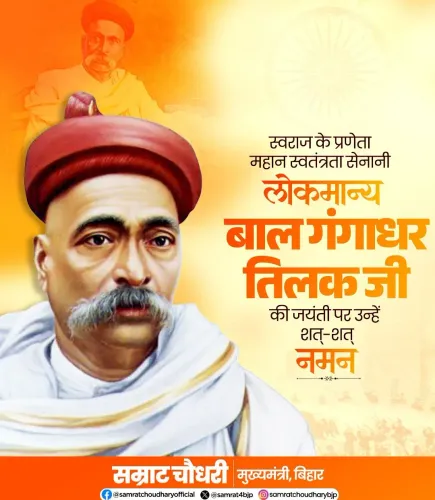
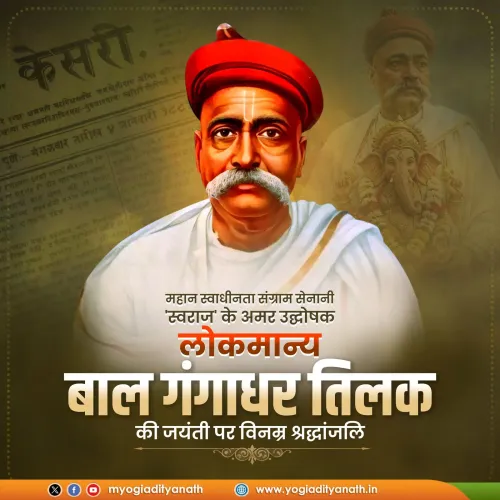
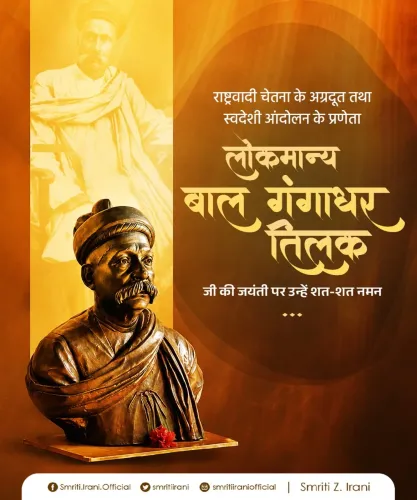
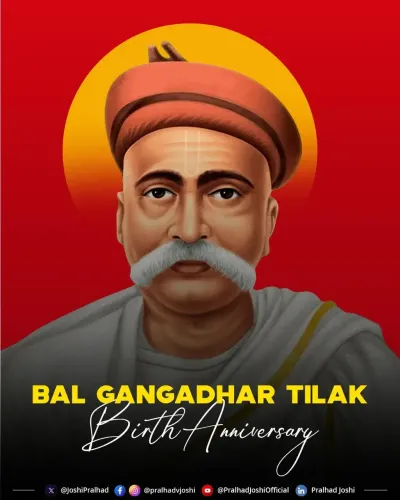
PM Modi Pays Tribute to Lokmanya Tilak on Birth Anniversary
Synopsis
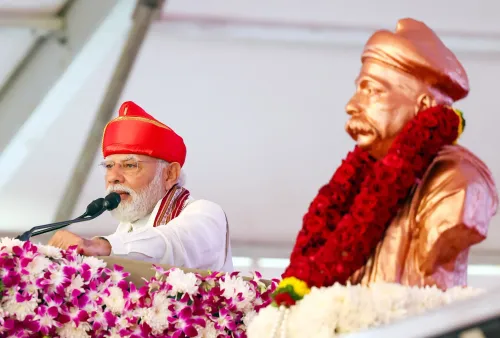
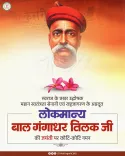
Prime Minister Narendra Modi on 23 July 2026 paid tribute to Lokmanya Bal Gangadhar Tilak on his birth anniversary, honouring the nationalist leader's role in awakening India's spirit of independence and promoting cultural consciousness during the freedom struggle.
Key Takeaways
PM Narendra Modi paid tribute to Lokmanya Bal Gangadhar Tilak on his birth anniversary, 23 July 2026 .
Tilak, born 23 July 1856 , coined the phrase 'Swaraj is my birthright' and was a central figure in India's anti-colonial movement.
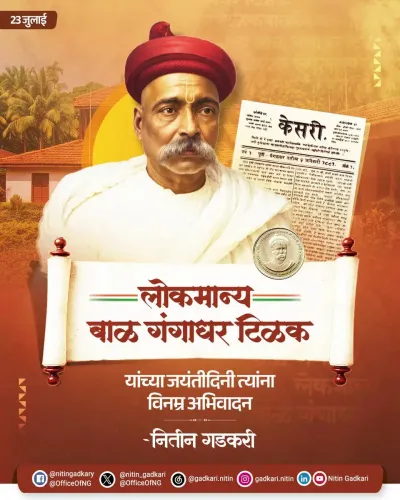
He edited Kesari and Maratha newspapers and revived Ganesh Chaturthi and Shivaji Jayanti as mass nationalist platforms.
Modi described Tilak as having 'awakened the spirit of nationalism' and inspired generations to serve the people.
Annual 23 July tributes to Tilak have been a consistent practice of the Prime Minister's Office since 2014 .
The commemoration aligns with the government's broader emphasis on Swadeshi-era icons who combined cultural identity with political self-determination.
Prime Minister Narendra Modi on Thursday, 23 July 2026 paid tribute to freedom fighter Bal Gangadhar Tilak on his birth anniversary, honouring the nationalist leader as a towering figure who awakened the spirit of independence across India.
Context
Lokmanya Bal Gangadhar Tilak, born on 23 July 1856, was one of the foremost architects of India's independence movement. His rallying cry — 'Swaraj mera janmasiddh adhikar hai' ('Swaraj is my birthright') — became a defining slogan of the anti-colonial struggle. He died in 1920, decades before independence was achieved, yet his influence shaped the movement's character profoundly.
PM Modi wrote that Tilak 'awakened the spirit of nationalism and inspired generations to dedicate themselves to the service of people,' also noting his efforts to popularise Indian culture. The post's final line on cultural efforts was cut short, but Tilak's legacy in that domain is well established.
Policy Backdrop
Tilak edited two influential newspapers, Kesari (Marathi) and Maratha (English), using them as platforms to mobilise mass opinion against British rule. He championed the revival of the Ganesh Chaturthi and Shivaji Jayanti festivals as public, community-building events — a strategy that transformed religious and cultural gatherings into spaces for nationalist consciousness.
Since 2014, the Prime Minister's Office has maintained a consistent practice of commemorating 23 July with a tribute to Tilak, situating him within a broader governmental emphasis on pre-Gandhian, Swadeshi-era icons who linked cultural identity with political self-determination.
Stakeholders and Impact
The tribute is directed at Indian citizens, students, and youth — audiences the government has repeatedly sought to connect with independence-era figures through school curricula, cultural events, and digital outreach. Tilak's legacy holds particular resonance in Maharashtra, where he was born and built his political base, and among communities that associate cultural nationalism with the freedom movement.
Commemorations of this kind also serve an educative function, reinforcing awareness of leaders who operated outside the most widely taught chapters of independence history, broadening the public's understanding of the movement's diversity of thought and method.
What's Next
Observers will watch for any follow-up events by the Ministry of Culture or the Ministry of Education marking Tilak's contributions, including possible lectures, exhibitions, or curriculum initiatives tied to his birth anniversary. Annual tributes on 23 July are expected to continue as part of the government's established commemorative calendar, with Tilak's legacy likely to remain a touchstone in discussions of cultural nationalism and the Swadeshi movement.
Point of View
One that foregrounds pre-Gandhian, culturally rooted nationalists alongside the more mainstream independence narrative. Tilak's dual legacy — mass political mobilisation and cultural revival — makes him a particularly resonant figure for the ruling party's emphasis on Swadeshi values and civilisational pride. By invoking Tilak's role in inspiring 'generations to dedicate themselves to the service of people,' the tribute draws a line between historical nationalism and present-day public service rhetoric. The pattern suggests these commemorations function not merely as historical remembrance but as active framing devices within the government's broader ideological communication.
NationPress
23 Jul 2026
Frequently Asked Questions
Who is Lokmanya Tilak and why is he remembered?
Lokmanya Bal Gangadhar Tilak (1856-1920) was a leading Indian nationalist, journalist, and social reformer who coined the slogan 'Swaraj is my birthright.' He is remembered for mobilising mass public opinion against British rule through his newspapers Kesari and Maratha, and for reviving Ganesh Chaturthi and Shivaji Jayanti as community nationalist events.
When is Lokmanya Tilak's birth anniversary?
Lokmanya Bal Gangadhar Tilak's birth anniversary falls on 23 July every year. He was born on 23 July 1856 in Ratnagiri, Maharashtra.
What did PM Modi say about Lokmanya Tilak?
PM Modi described Tilak as 'a towering figure of India's freedom struggle' who 'awakened the spirit of nationalism and inspired generations to dedicate themselves to the service of people,' also referencing his efforts to make Indian culture popular.
Why does the Indian government regularly tribute Lokmanya Tilak?
Since 2014, the Prime Minister's Office has consistently commemorated Tilak's birth anniversary on 23 July. Tilak is seen as a key Swadeshi-era icon who linked cultural identity with political self-determination, themes that align with the government's emphasis on civilisational heritage and self-reliance.
What is Lokmanya Tilak's connection to Maharashtra?
Bal Gangadhar Tilak was born in Ratnagiri, Maharashtra, and built his political and journalistic base in Pune. He is especially revered in Maharashtra, where his revival of Ganesh Chaturthi as a public festival had a lasting social and cultural impact.