PM Modi Thanks Kolkata for Hosting Yoga Day 2026
Synopsis
Prime Minister Narendra Modi thanked Kolkata on 21 June 2026 for hosting International Yoga Day, praising the city as an 'outstanding' host and noting pre-event cleanliness drives conducted across the city under the Swachh Bharat framework.
Key Takeaways
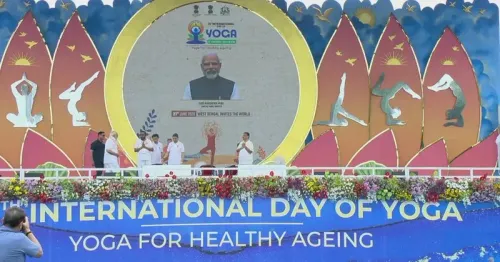
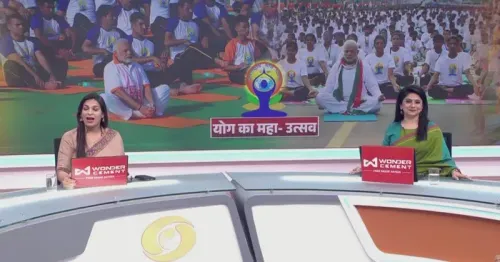
Prime Minister Narendra Modi expressed gratitude to Kolkata for hosting the main International Yoga Day 2026 programme on 21 June .
Kolkata , capital of West Bengal , was selected as this year's flagship venue, continuing a practice of rotating the central event across Indian cities.
Pre-event cleanliness drives were held across the city, linking the yoga observance to the Swachh Bharat Mission launched in 2014 .
International Yoga Day was established by the UN General Assembly via resolution 69/131 in December 2014 following India's proposal, with the first observance held in 2015 .
The event carries global reach, with International Yoga Day observed in more than 190 countries , making the host city a focal point of India's cultural diplomacy.
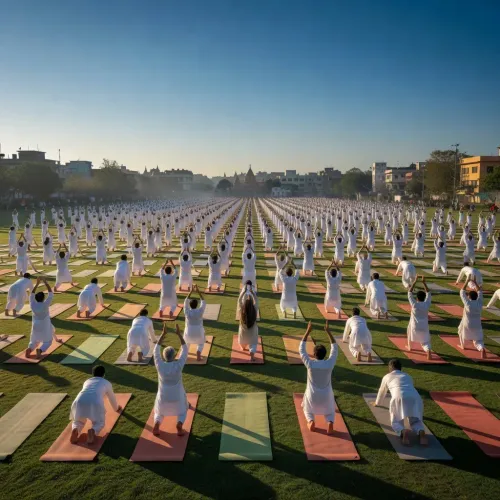
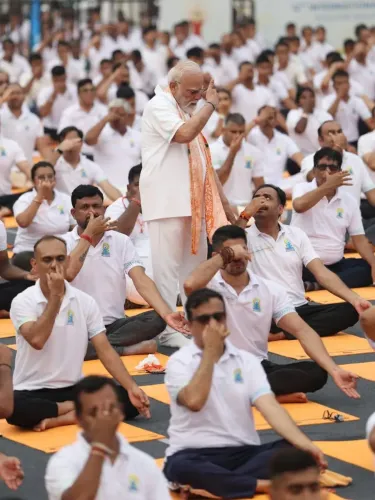
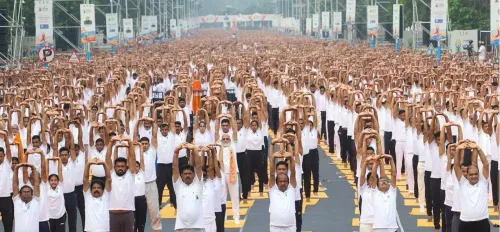
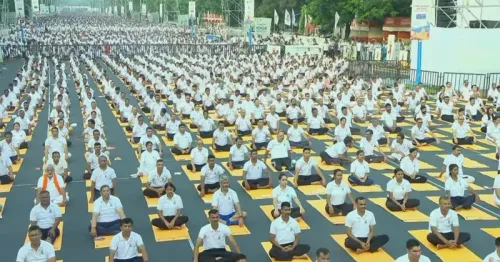
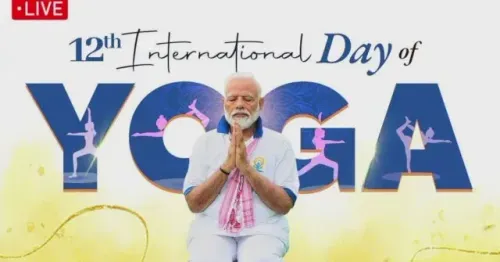
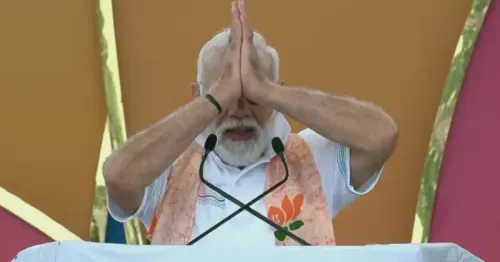
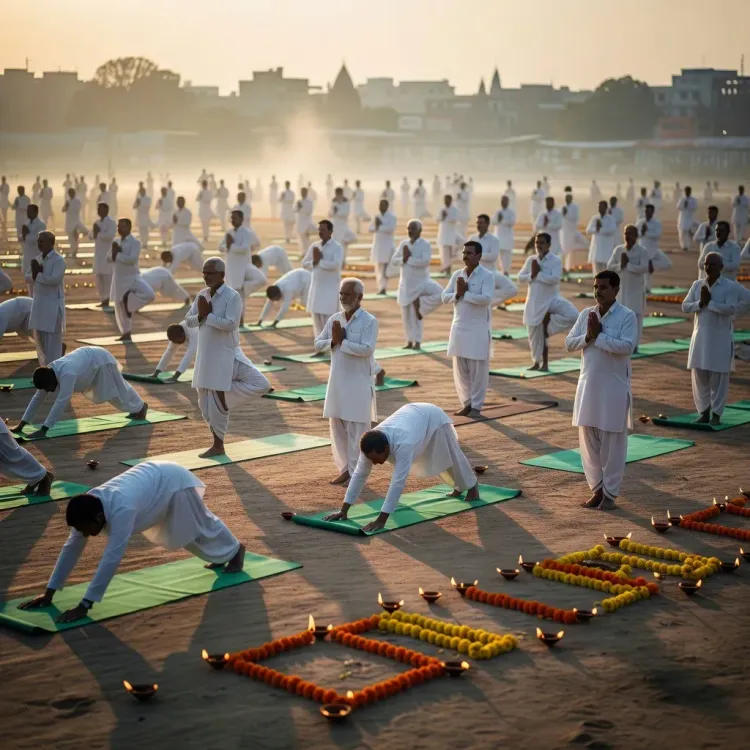
Prime Minister Narendra Modi on Sunday, 21 June 2026 expressed gratitude to the people of Kolkata for hosting the central International Day of Yoga programme, calling the city an 'outstanding' host and describing it as a 'vibrant' venue for the annual global observance.
Context
Writing on 21 June — the date formally designated as International Yoga Day by the United Nations General Assembly through resolution 69/131 in December 2014 — Prime Minister Modi said it was 'an honour to mark it in this vibrant city.' The post acknowledged both the residents and the civic preparations that preceded the day's events.
The choice of Kolkata, the capital of West Bengal and one of India's foremost cultural centres, as the primary venue reflects a pattern of rotating the flagship Yoga Day gathering across different state capitals to broaden regional participation in the observance.
Policy Backdrop
India proposed the creation of an international yoga day at the UN General Assembly in 2014, and the resolution was adopted with record co-sponsorship, with 21 June — the summer solstice and the longest day of the year in the Northern Hemisphere — chosen as the date. Since the first observance in 2015, India has combined mass yoga demonstrations with local civic initiatives to extend the event's reach beyond a single ceremonial gathering.
In the lead-up to this year's programme, the Prime Minister noted that cleanliness drives were carried out across the city. Such pre-event sanitation activities have routinely been linked to the Swachh Bharat Mission, launched on 2 October 2014, which promotes urban waste management and public hygiene as everyday civic practices. The convergence of yoga and cleanliness messaging reinforces both public-health and cultural-diplomacy objectives simultaneously.
Stakeholders and Impact
For Kolkata residents and the broader West Bengal population, hosting the national Yoga Day centrepiece carries civic and cultural significance, placing the city at the centre of a globally recognised observance. Yoga practitioners across eastern India gain visibility, and local volunteers who participated in the cleanliness drives received a public acknowledgement from the Prime Minister himself.
The event also carries soft-power weight beyond India's borders: International Yoga Day is observed in more than 190 countries, and the host city's imagery and participation figures contribute to India's cultural outreach. Rotating the main venue to cities such as Kolkata signals that the observance is a national, not merely a capital-centric, undertaking.
What's Next
Attention will now turn to which city is selected to host the 2027 International Yoga Day programme, as the rotation model suggests another regional capital could be in line. Policymakers and state governments are expected to assess how the Kolkata model — combining pre-event cleanliness drives with the main yoga demonstration — can be replicated or scaled elsewhere.
Any integration of yoga promotion or sanitation targets into state-level budgets or upcoming parliamentary debates on cultural programmes will be watched as an indicator of how deeply the Yoga Day framework has been woven into India's domestic policy calendar.
Point of View
Prime Minister Modi simultaneously advances two long-running policy narratives — cultural soft power through yoga and civic behaviour change through Swachh Bharat. The post's warm, appreciative tone is calibrated to resonate with a West Bengal audience at a time when the state remains a politically significant arena. The rotation model for host cities effectively turns a single global observance into a recurring opportunity for outreach across India's diverse regions.
NationPress
20 Sept 2026
Frequently Asked Questions
Where was International Yoga Day 2026 celebrated in India?
The main national programme for International Yoga Day 2026 was held in Kolkata , the capital of West Bengal , with Prime Minister Narendra Modi attending and thanking the city's residents for hosting.
When is International Yoga Day celebrated every year?
International Yoga Day is observed every year on 21 June , the summer solstice, following a UN General Assembly resolution adopted in December 2014 on India's proposal.
What is the connection between Yoga Day and Swachh Bharat?
In the run-up to International Yoga Day , cleanliness drives are routinely organised under the Swachh Bharat Mission framework, linking public-health and sanitation goals with the cultural observance to amplify civic messaging.
Why does India change the Yoga Day host city every year?
India rotates the flagship International Yoga Day venue across different state capitals to ensure regional participation and to signal that the observance is a nationwide, not just a New Delhi-centred, event.
Who proposed International Yoga Day at the United Nations?
India , under Prime Minister Narendra Modi , proposed the creation of an international yoga day at the UN General Assembly in 2014 ; the resolution was adopted with record co-sponsorship and the first observance was held in 2015 .