PM Modi Urges Daily Yoga, Pays Homage to Sage Patanjali
Synopsis
Prime Minister Narendra Modi urged Indians to make yoga part of their daily routine for a balanced, energetic life, and paid homage to sage Patanjali through a classical Sanskrit verse. The post, shared on X with a short video, comes ahead of the International Day of Yoga on 21 June.
Key Takeaways
PM Modi urged daily yoga practice for physical health and mental calm.
The post invoked a classical Sanskrit verse honouring sage Patanjali.
It comes weeks before the International Day of Yoga on 21 June.
Yoga Day was established by the UN General Assembly in 2014 on India's proposal.
The Ministry of AYUSH, created in 2014, anchors official yoga promotion.
State governments and AYUSH are expected to roll out programmes ahead of 21 June.
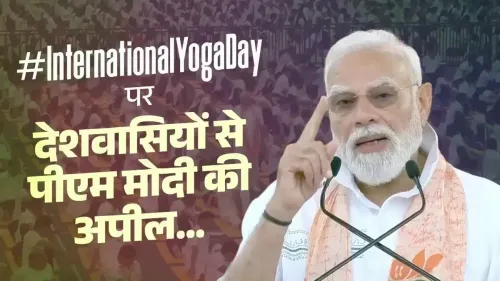
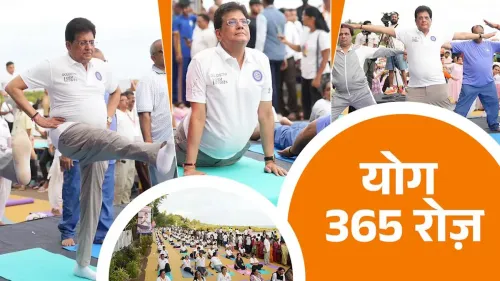
Prime Minister Narendra Modi on 4 June 2026 called on citizens to embrace yoga as a daily discipline, framing the practice as essential for physical health and mental calm, while paying homage to the ancient sage Patanjali. The message, posted on X in Hindi and accompanied by a short video, comes weeks ahead of the annual International Day of Yoga on 21 June.
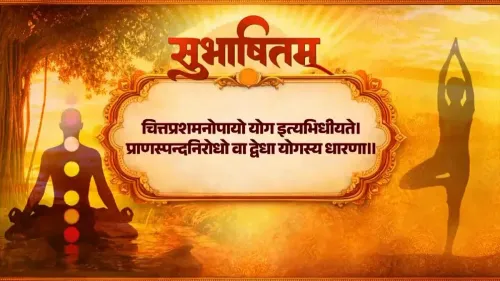
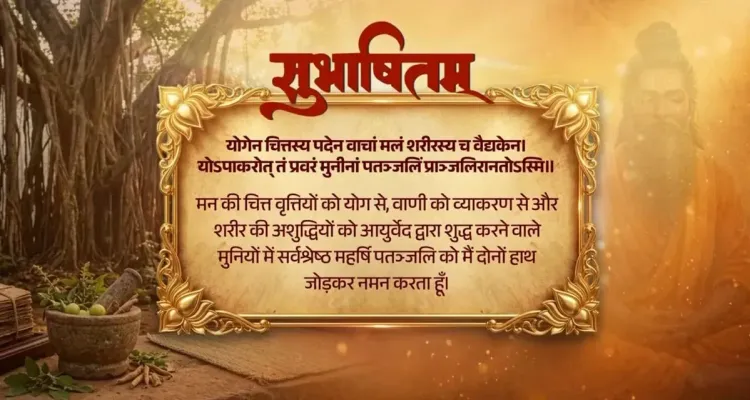
'Regular practice of yoga keeps the body healthy and the mind calm. Making it part of your daily routine brings balance and energy to life,' the Prime Minister wrote, before invoking a classical Sanskrit verse saluting Patanjali as the foremost among sages who removed impurities of speech, mind and body through grammar, yoga and medicine.
Context
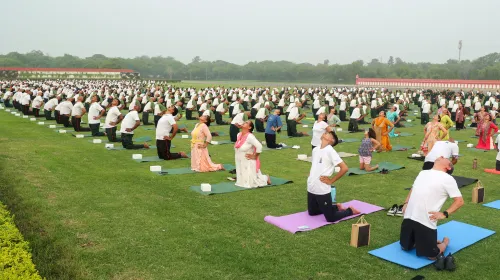
The post lands in the run-up to the global yoga observance, a date that has become a fixture in the Indian government's annual cultural and wellness calendar. The Prime Minister has used the weeks before 21 June in past years to publish a sustained series of messages encouraging participation in mass yoga sessions and household practice.
The closing verse — 'Yogena chittasya padena vacham, malam sharirasya cha vaidyakena. Yo'pakarot tam pravaram muninam, Patanjalim pranjalir anato'smi' — is a traditional invocation recited in many yoga schools before practice, expressing gratitude to Patanjali, the compiler of the Yoga Sutras.
Policy backdrop
The International Day of Yoga was established by the United Nations General Assembly in 2014 following a proposal by India, with the first edition observed on 21 June 2015. The declaration has since anchored an annual cycle of public events, school-level participation drives and diplomatic outreach by Indian missions abroad.
Domestically, the creation of the Ministry of AYUSH in 2014 consolidated official backing for yoga, Ayurveda and allied traditional systems, integrating them into wellness centres, public health messaging and research funding. The Prime Minister's framing of yoga as both personal practice and civilisational inheritance has been a consistent thread across his communications since then.
Stakeholders and impact
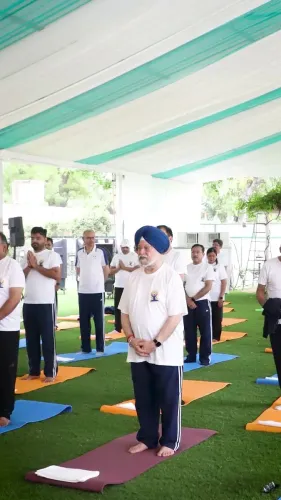
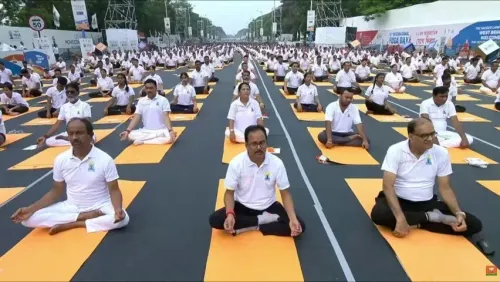
The message speaks directly to yoga practitioners, instructors and the broader AYUSH ecosystem, which spans certified trainers, wellness clinics and a sizeable export industry in traditional medicine. State governments, which typically organise large public yoga sessions on 21 June, also take their cue from such central messaging in scaling preparations.
By citing Patanjali, the post reinforces the cultural lineage that the government has sought to project through international forums, where yoga has formed a recurring plank of India's soft-power diplomacy.
What's next
Attention now shifts to the build-up to the 21 June observance, with state-level programmes, school participation drives and likely new advisories from the Ministry of AYUSH expected in the coming weeks. The Prime Minister is widely expected to lead a flagship event on the day, as has been the pattern in earlier years.
For a government that has tied yoga closely to its broader push for traditional knowledge systems, the message signals an early start to a sustained campaign that will play out across both domestic public health communication and international cultural outreach.
Point of View
Blending a personal wellness pitch with a civilisational frame anchored in Patanjali's lineage. By opening the build-up early, the government signals that this year's observance will once again be a major public mobilisation. The invocation of a classical Sanskrit verse also reinforces the longer arc of positioning yoga as both Indian cultural heritage and a vehicle of soft-power diplomacy. Expect a steady cadence of similar posts and state-level events through June.
NationPress
19 Sept 2026
Frequently Asked Questions
What did PM Modi say about yoga in his latest post?
PM Narendra Modi said regular yoga practice keeps the body healthy and the mind calm, and urged people to make it part of their daily routine for a balanced, energetic life. He also shared a Sanskrit verse honouring sage Patanjali.
Who was Patanjali and why did PM Modi mention him?
Patanjali is the ancient Indian sage credited with compiling the Yoga Sutras, the foundational text of classical yoga. PM Modi cited a traditional Sanskrit invocation that salutes Patanjali as the foremost among sages.
When is International Day of Yoga observed?
International Day of Yoga is observed every year on 21 June. It was declared by the United Nations General Assembly in 2014 following a proposal from India, with the first edition held in 2015.
What is the Sanskrit shloka quoted by PM Modi?
The verse begins 'Yogena chittasya padena vacham' and salutes Patanjali for removing impurities of mind through yoga, of speech through grammar, and of the body through medicine. It is commonly recited before yoga practice.
What role does the AYUSH ministry play in promoting yoga?
The Ministry of AYUSH, set up in 2014, oversees policy and programmes for yoga, Ayurveda and allied traditional systems. It coordinates training, research, wellness centres and public events, especially around the International Day of Yoga.