PM Modi Urges Youth to Stay Drug-Free, Protect Their Future

Synopsis
Prime Minister Narendra Modi on 2 August 2026 posted a sharp Hindi anti-drug appeal on X, urging India's youth to stay drug-free and guard their careers and families — directly echoing the government's Nasha Mukt Bharat Abhiyan launched in 2020 across 272 districts.
Key Takeaways
PM Narendra Modi posted an anti-drug message in Hindi on 2 August 2026 , using a 'high/low' wordplay to reach Indian youth.
He urged young Indians to remain nasha mukt (drug-free) and protect their career and family potential.
The post connects to the Nasha Mukt Bharat Abhiyan , launched in August 2020 by the Ministry of Social Justice and Empowerment.
The scheme initially covered 272 high-vulnerability districts , focusing on awareness, counselling, and de-addiction support.
The government has used the Prime Minister's social media platform as a consistent amplifier for behavioural welfare campaigns targeting youth.
A wordplay that cuts through — and a message aimed at millions. Prime Minister Narendra Modi on Sunday, 2 August 2026, used a sharp Hindi punchline to send an anti-drug appeal directly to India's youth: drugs give a temporary 'high', but bring a career and family life dangerously 'low'.
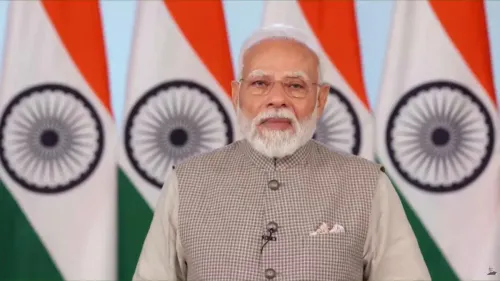
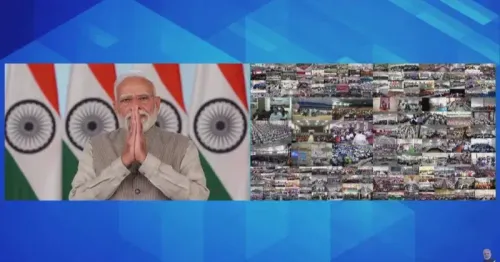
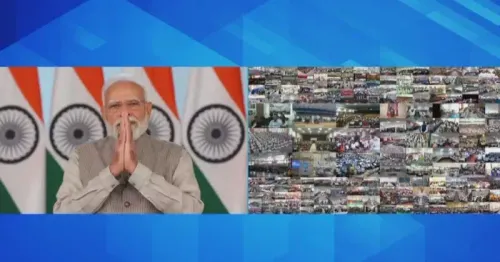
Posting in Hindi on X, the Prime Minister wrote: 'Drugs kuch samay ke liye High deta hai, lekin career aur family life ko Low kar deta hai.' ['Drugs give a 'high' for a short time, but bring your career and family life 'low'.'] He urged young Indians to stay nasha mukt — free from intoxicants — and protect their potential. The post was accompanied by a video.
The Scheme Behind the Slogan
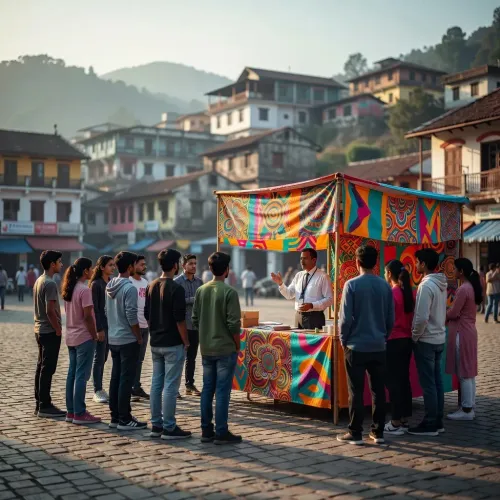
The appeal is not a standalone post. It connects directly to the Nasha Mukt Bharat Abhiyan, the government's flagship anti-drug programme launched in August 2020 by the Ministry of Social Justice and Empowerment. The scheme was initially rolled out across 272 districts identified as high-vulnerability zones, focusing on awareness drives, counselling, and de-addiction support — with youth as the primary target group.
The programme frames India's young population not merely as a social concern but as an economic asset — the so-called demographic dividend — whose productivity must be shielded from substance abuse. Saturday's post echoes that framing precisely, invoking both career and family as twin stakes.
Social Media as a Policy Amplifier
The government has increasingly used the Prime Minister's personal social media reach to reinforce behavioural messaging — from tobacco control to mental health awareness. A punchy, bilingual post from an account with hundreds of millions of followers functions as a zero-cost, high-reach public service broadcast. The 'high/low' device, delivered in English loanwords embedded in Hindi, is clearly engineered for shareability among the urban and semi-urban youth it seeks to reach.
With state-level implementation of the Nasha Mukt Bharat Abhiyan ongoing, and parliamentary attention to narcotics control a recurring theme, the Prime Minister's post signals that the campaign remains a live government priority — not an archived scheme.
The message is simple, the stakes are not: India's youngest generation is both the country's greatest asset and the most exposed to the supply chains of synthetic drugs spreading across its cities and towns. A tweet is a nudge — but the policy machinery behind it is what will determine whether the nudge lands.
Point of View
The messaging sidesteps stigma and speaks the language of aspiration that has defined the BJP's youth outreach. It also signals that the Nasha Mukt Bharat Abhiyan remains a live priority ahead of potential budgetary or parliamentary action on narcotics. The reach of the Prime Minister's personal handle effectively substitutes for a paid awareness campaign.
NationPress
2 Aug 2026
Frequently Asked Questions
What did PM Modi say about drugs on 2 August 2026?
PM Modi posted in Hindi on X saying drugs give a temporary 'high' but bring a person's career and family life 'low', urging Indian youth to stay drug-free and protect their potential.
What is the Nasha Mukt Bharat Abhiyan?
The Nasha Mukt Bharat Abhiyan is a government scheme launched in August 2020 by the Ministry of Social Justice and Empowerment to combat drug abuse through awareness, counselling, and de-addiction support, initially covering 272 districts across India.
Why is PM Modi focusing on drug awareness for youth?
The government views India's young population as a demographic dividend whose economic potential must be protected from substance abuse, making youth the primary target of anti-drug campaigns like the Nasha Mukt Bharat Abhiyan.
Which districts does the Nasha Mukt Bharat Abhiyan cover?
The scheme was initially launched across 272 districts identified as high-vulnerability zones for drug abuse, with a focus on young people in those areas.
How does the government use social media for welfare campaigns?
The Prime Minister's social media accounts are regularly used to amplify behavioural welfare messages — on issues ranging from drug abuse to tobacco control and mental health — reaching hundreds of millions of followers at no additional campaign cost.