Anti-paper leak Bill passed by Parliament: Modi calls it a step toward robust exams
Synopsis
Weeks after the NEET paper leak brought students onto the streets, Parliament has cleared the Public Examination (Prevention of Unfair Means) Amendment Bill, 2026 — introducing fast-track courts, technology mandates, and strict penalties targeting organised paper-leak syndicates. PM Modi called it a generational fix to a decades-old problem that has plagued both Centre and states.
Key Takeaways
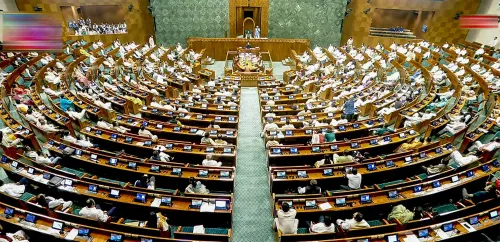
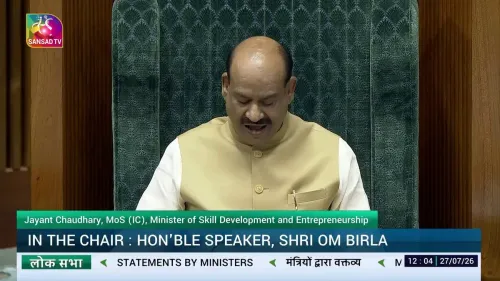
The Public Examination (Prevention of Unfair Means) Amendment Bill, 2026 was passed by the Rajya Sabha on 30 July , days after the Lok Sabha cleared it.
The Bill now awaits assent from President Droupadi Murmu before it becomes law.
PM Modi said the legislation targets organised paper-leak syndicates and mandates the use of technology in examination administration.
The Bill follows the NEET paper leak controversy, which sparked nationwide student protests.
Implementation will require coordination between the Centre and states , as paper leaks have historically affected both Union and state-level exams.
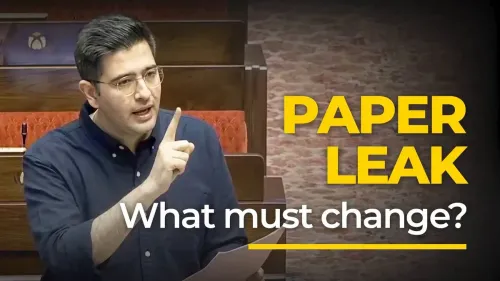
Prime Minister Narendra Modi on Thursday, 30 July welcomed Parliament's passage of the Public Examination (Prevention of Unfair Means) Amendment Bill, 2026, calling it a decisive step toward making India's examination system more dependable and fraud-resistant. The Bill, cleared by the Rajya Sabha on Thursday after the Lok Sabha passed it earlier in the week, now awaits the assent of President Droupadi Murmu before it becomes law.
What PM Modi Said
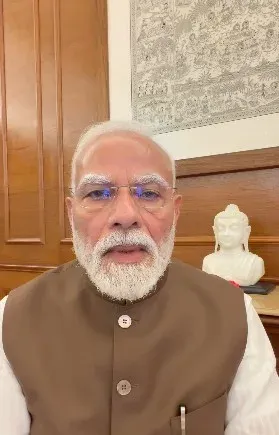
In a video statement shared on social media, Prime Minister Modi outlined the sequence of steps that preceded the legislation. 'We have initiated successive steps towards a trustworthy education system. It included setting up a task force, fast track courts, considering the viewpoints of states. Because, since the past few decades, state and the Union governments have been facing the problem of exam-paper leaks,' he said.
Modi added that the future of students had been placed under unacceptable uncertainty by recurring paper leak scandals. 'Any group organising paper leak, those who play with the future of the country's children, will not go unpunished,' he asserted, emphasising that the new law would target organised syndicates behind examination fraud.
Key Provisions and Legislative Journey
The Public Examination (Prevention of Unfair Means) Amendment Bill, 2026 introduces stringent penal provisions against individuals and groups involved in leaking examination papers or facilitating unfair means in public tests. The legislation also mandates the use of technology in examination administration — a measure the Prime Minister described as essential for any credible reform. The Bill's passage follows consultations with state governments, reflecting the Centre's acknowledgement that paper leaks are not a problem confined to any single tier of administration.
The NEET Backdrop
The Bill arrives in the direct aftermath of the NEET paper leak controversy, which triggered mass protests by students across the country and placed the government's examination oversight under intense public scrutiny. The Union government subsequently held talks with student representatives and addressed their stated concerns. This is not the first legislative attempt to curb examination fraud, but it is notably the most comprehensive, extending to fast-track judicial mechanisms for speedier accountability.
What Happens Next
The Bill requires President Droupadi Murmu's assent to become law. Once enacted, implementation will involve coordination between the Centre and states, given that examination paper leaks have historically afflicted both Union and state-level competitive tests. 'Work will go on,' Modi said. 'We'll not allow such situation to continue. With that faith, let us all together march ahead to achieve the dream of a developed India.'
Point of View
Tamper-resistant infrastructure — or remains an aspirational clause. The Centre's decision to consult states before drafting is a procedural positive, but without binding accountability metrics for examination-conducting bodies, the new law risks being a strong signal with weak enforcement.
NationPress
31 Jul 2026
Frequently Asked Questions
What is the Public Examination (Prevention of Unfair Means) Amendment Bill, 2026?
It is a law passed by both Houses of Parliament that introduces strict penalties against individuals and groups involved in examination paper leaks or other unfair means in public tests. The Bill also mandates the use of technology in examination administration and provides for fast-track courts to expedite accountability.
Has the Bill become law yet?
Not yet. The Bill was passed by the Rajya Sabha on 30 July 2026 after the Lok Sabha cleared it earlier in the week. It still requires the assent of President Droupadi Murmu before it comes into force.
Why was this Bill introduced?
The Bill was introduced in direct response to recurring paper leak scandals, most recently the NEET paper leak, which triggered mass student protests across India. PM Modi noted that both state and Union governments have grappled with examination fraud for decades.
Who will be affected by the new law?
The law targets organised syndicates and individuals involved in leaking examination papers or facilitating unfair means in public examinations. Students, examination-conducting bodies, and government agencies at both Centre and state levels will be subject to its provisions.
What role do states play in implementing this law?
The Centre consulted state governments during the drafting process, recognising that paper leaks affect both Union and state-level competitive examinations. Effective implementation will require coordination between the Centre and states, particularly for state board and state public service commission exams.