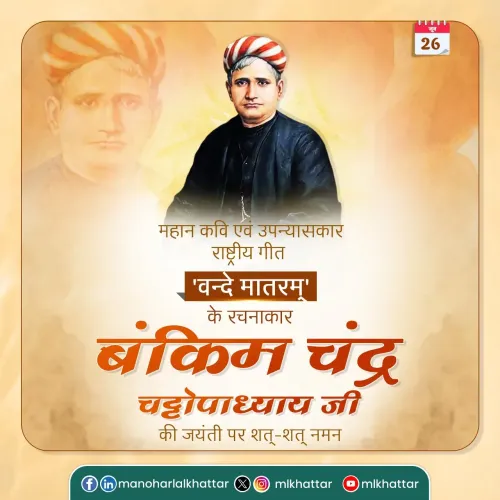
Is it Bankim 'Da' or Bankim 'Babu'? PM Modi's Response to Trinamool MP's Concern
Synopsis
In a recent Lok Sabha session, PM Modi sparked a linguistic debate by referring to the iconic Bengali writer Bankim Chandra Chatterjee as 'Bankim Da.' Trinamool Congress MP Saugata Roy objected, suggesting 'Bankim Babu' was more appropriate. Modi humorously accepted the correction, highlighting the importance of 'Vande Mataram' during India's freedom struggle.
Key Takeaways
PM Modi's address highlighted the cultural significance of 'Vande Mataram.' Respect for regional sentiments was demonstrated during the linguistic debate.
Bankim Chandra Chatterjee's legacy was acknowledged in the context of India's freedom struggle.
The ongoing discussions reinforce the anthem's historical importance.
A total of 10 hours is dedicated to this significant parliamentary debate.
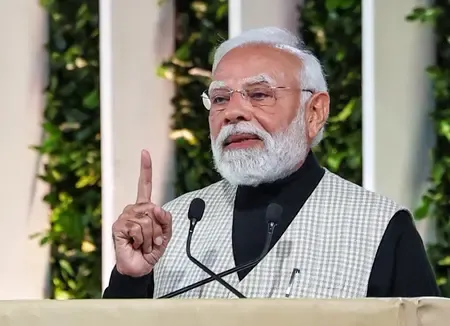
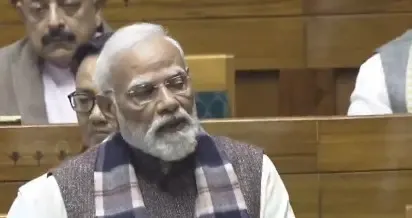
New Delhi, Dec 8 (NationPress) During Prime Minister Narendra Modi's speech in the Lok Sabha, which opened a discussion on the 150th anniversary of the national anthem 'Vande Mataram', the dialogue veered into a linguistic discussion on Monday.
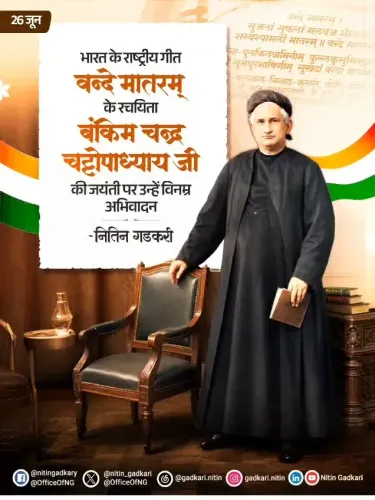
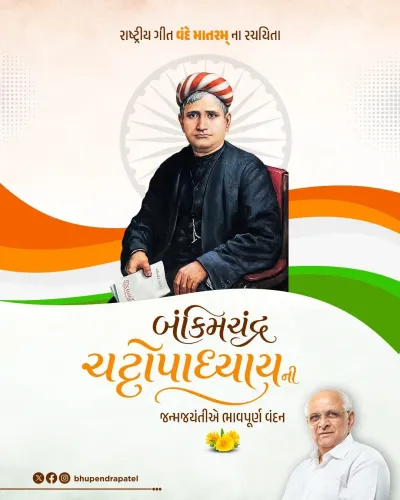
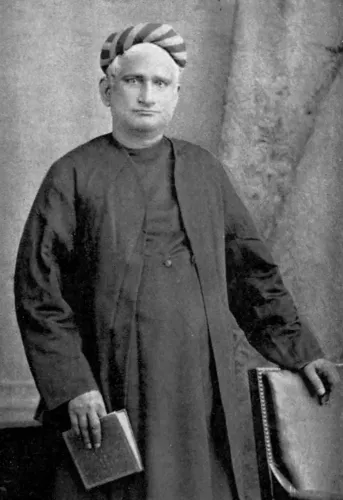
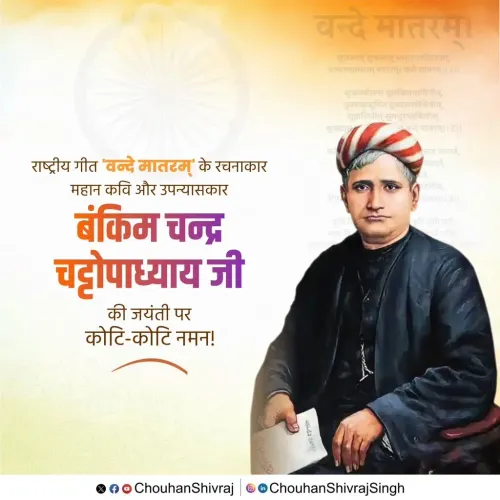
This exchange was sparked when the Prime Minister referred to the song's creator and renowned Bengali author Bankim Chandra Chatterjee as 'Bankim Da'.
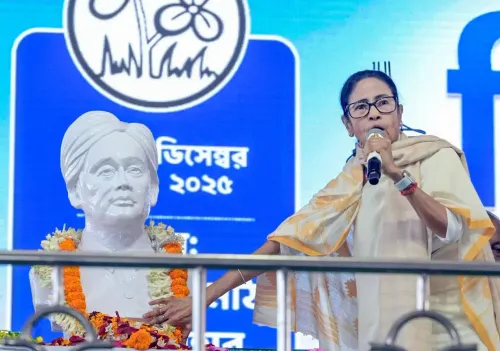
Trinamool Congress MP Saugata Roy quickly raised an objection, asserting that 'Da', a colloquial term derived from 'Dada' used by Bengalis to address their peers or elder siblings, was too casual for someone of Bankim Chandra's renown.
'You should refer to him as Bankim Babu.' was Roy's recommendation.
The Prime Minister graciously acknowledged the correction.
'I will refer to him as Bankim Babu. Thank you for sharing your sentiments,' he responded, while adding humorously, 'Can I call you dada, or do you object to that as well?'
He then continued with his commentary on 'Vande Mataram', underscoring its significance during India's struggle for freedom.
Modi characterized the anthem as more than a mere plea for political emancipation—it was a 'sacred battle cry to liberate Bharat Mata from the remnants of colonial domination.'
He pointed out that the British colonial regime felt significantly threatened by the anthem's power, imposing legal restrictions on its performance and publication, alongside severe penalties to curb its expression.
Furthermore, he delivered a pointed critique of the Congress party, accusing it of having previously fractured the anthem under pressure from the Muslim League, 'kneeling before them.'
Modi remarked that the British had long implemented a Divide-and-Rule tactic, with Bengal being the initial target.
'That was a time when Bengal's strength galvanized the nation. In 1905, when the British partitioned Bengal, 'Vande Mataram' stood unyielding. 'Street to street' became the rallying cry for Bengal's unity, which continued to inspire,' he elaborated.
The ongoing debate in Parliament seeks to underscore the historical significance and lasting legacy of 'Vande Mataram' within India's independence movement.
A total of 10 hours has been designated for this discussion, which will also take place in the Rajya Sabha.
Point of View
This interaction emphasizes the importance of cultural respect in political discourse. It reflects how our leaders can engage with regional sentiments while honoring historical figures. The ongoing discussions surrounding 'Vande Mataram' underline its significance in India's independence narrative, showcasing the need for unity and respect for cultural heritage in contemporary politics.
NationPress
29 Sept 2026
Frequently Asked Questions
What sparked the linguistic debate during PM Modi's address?
The debate was initiated when PM Modi referred to Bankim Chandra Chatterjee as 'Bankim Da,' prompting an objection from Trinamool MP Saugata Roy, who suggested 'Bankim Babu' as a more respectful term.
What is the historical significance of 'Vande Mataram'?
'Vande Mataram' is considered a sacred anthem that played a vital role in India's struggle for independence, symbolizing the fight against colonial rule.
How did PM Modi respond to the objection regarding the term 'Da'?
PM Modi accepted the correction graciously, stating he would refer to Bankim Chandra Chatterjee as 'Bankim Babu,' while humorously asking if he could call Saugata Roy 'dada.'
What was the focus of the parliamentary discussion?
The discussion aimed to highlight the historical importance and enduring legacy of 'Vande Mataram' in India's independence movement.
How long is the debate on 'Vande Mataram' scheduled for?
The ongoing parliamentary debate is allocated a total of ten hours, which will also take place in the Rajya Sabha.