Porbandar Furniture Park: 100-hectare hub and shipbuilding cluster proposed
Synopsis
A 100-hectare Furniture Park and a shipbuilding cluster near Kuchhdi are moving from concept to early implementation in Porbandar — with land earmarked, site visits scheduled for 14 June, and the British Deputy High Commissioner in the room. Gujarat's bet on port-led manufacturing just got a high-profile endorsement.
Key Takeaways
A 100-hectare Furniture Park has been proposed for Porbandar , with land acquisition proceedings already underway.
A shipbuilding cluster near Kuchhdi is also under consideration; site visits to Bharvada and Kuchhdi are scheduled for 14 June .
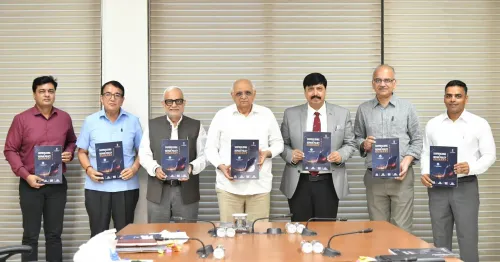
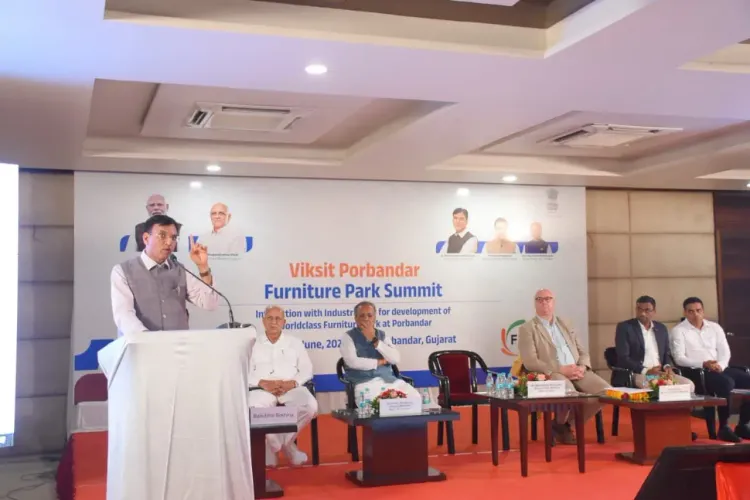
The summit was chaired by Union Minister Mansukh Mandaviya and attended by more than 50 furniture entrepreneurs and senior officials.
Gujarat aims to raise port cargo handling capacity from 600 million to 3,000 million metric tonnes by 2047 .
Porbandar airport runway is being extended from 1,300 metres to 3,000 metres , with daily flights to Ahmedabad and Mumbai from 25 June .
British Deputy High Commissioner Steve Hickling expressed interest in the furniture hub's export potential, noting Gujarat accounts for over 30% of India's national exports.
A 100-hectare Furniture Park proposed for Porbandar, Gujarat, along with a complementary shipbuilding cluster near Kuchhdi, took centre stage at a high-level industry summit on Saturday, 13 June, as government officials and more than 50 furniture sector entrepreneurs assessed the coastal city's potential as a port-linked manufacturing and export destination under India's broader industrial expansion strategy.
What the Summit Decided
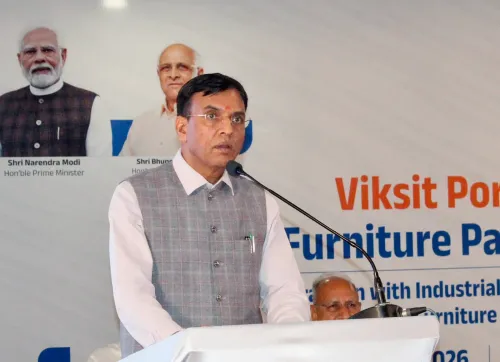
The 'Developed Porbandar Furniture Park Summit' was chaired by Union Labour and Employment Minister Mansukh Mandaviya, with senior central and state officials, industrial body representatives, and entrepreneurs in attendance. According to officials, a site near Porbandar has already been identified, with approximately 100 hectares of land earmarked and acquisition proceedings underway. Industrial participants are scheduled to visit the proposed locations — Bharvada and Kuchhdi — on 14 June for on-site evaluation.
What the Government Said
Mandaviya said the initiative aligned with India's port-led industrialisation framework and the objective of strengthening manufacturing capacity and exports. 'India was emerging as a rapidly growing economy with increasing purchasing power,' he said, describing the country's trajectory as being guided by a stable policy environment aimed at achieving developed nation status by 2047. He also cited ongoing Free Trade Agreements with the United Kingdom, the European Union, Canada, and Australia as expanding international market access.
Mandaviya described the proposed Furniture Park as an integrated facility where design, skill development centres, and related infrastructure would operate under a single coordinated framework. He assured participants that administrative clearances would be expedited and that investor suggestions would be incorporated into final planning.
Porbandar's Strategic Advantages
Gujarat Forest, Environment and Science & Technology Minister Arjun Modhwadia said the Furniture Park concept was rooted in Porbandar's historical role in maritime trade, noting the region's connections to overseas trade routes since the 16th century and the presence of around 4,500 operational fishing boats. He highlighted cost advantages over established industrial corridors such as Vapi–Ahmedabad, and pointed to the region's access to wind and solar energy, connectivity via five national highways, broad-gauge rail infrastructure, and a port with a 9-metre draft.
Modhwadia also noted that upgrades were underway at Porbandar airport, including an extension of the runway from 1,300 metres to 3,000 metres, with daily flights to Ahmedabad and Mumbai planned from 25 June. The region's tourism draw — proximity to Dwarka and Somnath, which collectively attract more than one crore visitors annually — was cited as an additional economic multiplier.
Shipbuilding Cluster and Maritime Ambitions
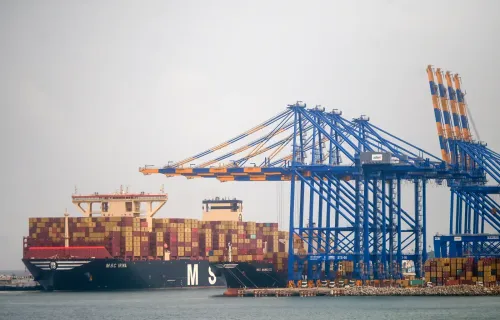
Gujarat Maritime Board Vice-Chairman and CEO Dr Ajay Kumar provided technical details of the proposed shipbuilding cluster at Kuchhdi. Officials also referenced Gujarat's long-term maritime development plan, which targets an increase in the state's port cargo handling capacity from 600 million metric tonnes to 3,000 million metric tonnes by 2047. Gujarat already has an approved shipbuilding policy, and new industrial and data centre policies are reportedly in preparation.
International Interest and Export Potential
British Deputy High Commissioner Steve Hickling attended the summit and described the Porbandar furniture manufacturing proposal as a significant step, expressing interest in the sector's export potential. He noted that Gujarat contributes more than 30 per cent of India's national exports and said India's industrial growth offered opportunities for greater trade engagement with the United Kingdom. Industries Commissioner P. Swaroop outlined the rationale for selecting Porbandar, citing logistical connectivity, coastal access, and land availability as deciding factors.
This comes amid India's accelerating push to develop port-adjacent industrial zones as part of a wider strategy to boost manufacturing's share of GDP and diversify export baskets. With land acquisition underway and site visits scheduled, the Porbandar projects are moving from proposal to early implementation — the pace of clearances in the coming months will determine whether the ambition translates into ground-level activity.
Point of View
Cheaper than established corridors, dressed up with FTA tailwinds and a British diplomat in attendance for optics. The harder question is execution: furniture manufacturing in India has historically struggled with fragmentation, and a greenfield park 100 hectares large will need anchor investors, not just government facilitation assurances. The shipbuilding cluster is the more structurally interesting bet — Gujarat already has an approved policy and a maritime board with a stated 5x capacity target by 2047 — but Kuchhdi is unproven territory. The 14 June site visits will be the first real signal of whether industry is genuinely interested or merely present.
NationPress
26 Sept 2026
Frequently Asked Questions
What is the Porbandar Furniture Park proposal?
It is a proposed integrated manufacturing facility spanning approximately 100 hectares near Porbandar, Gujarat, designed to house furniture production, design centres, and skill development infrastructure under a single framework. Land acquisition proceedings are currently underway, and the project was formally discussed at a government-industry summit on 13 June 2025.
What is the shipbuilding cluster proposed near Kuchhdi?
A shipbuilding cluster near Kuchhdi, close to Porbandar, has been advanced as a complementary project to the Furniture Park. Gujarat Maritime Board CEO Dr Ajay Kumar provided technical details at the summit, and industrial participants are scheduled to visit the site on 14 June for on-site evaluation.
Why was Porbandar chosen for these industrial projects?
Porbandar was selected for its coastal access, availability of land at lower costs compared with corridors like Vapi–Ahmedabad, connectivity via five national highways and broad-gauge rail, and a port with a 9-metre draft. The region also benefits from wind and solar energy resources and a historical maritime trade tradition dating to the 16th century.
What is Gujarat's long-term port capacity target?
Under the Gujarat Maritime Board's long-term maritime development plan, the state aims to increase port cargo handling capacity from 600 million metric tonnes to 3,000 million metric tonnes by 2047. The Porbandar Furniture Park and shipbuilding cluster are positioned as part of this broader port-linked industrial strategy.
What infrastructure upgrades are planned for Porbandar?
Porbandar airport's runway is being extended from 1,300 metres to 3,000 metres, with daily flights to Ahmedabad and Mumbai planned from 25 June. The port, which has a 9-metre draft, is also earmarked for expanded shipping, shipbuilding, and repair activities as part of the industrial push.