Pradhan backs 'Suryaban' Eco-Resort to boost Angul's rural economy
Synopsis
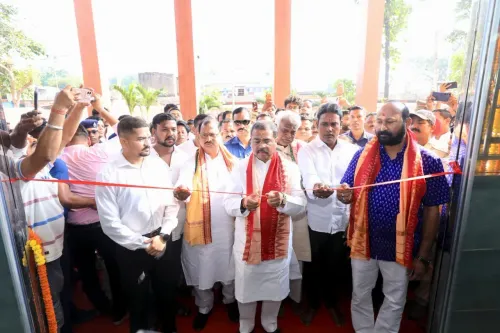
Union Education Minister Dharmendra Pradhan on 11 November 2026 championed the 'Suryaban' eco-resort in industrial Angul, Odisha, saying the project would open new employment avenues for local youth and add a fresh chapter to the region's tourism sector.
Key Takeaways
Union Education Minister Dharmendra Pradhan publicly backed the 'Suryaban' eco-resort project in Angul, Odisha on 11 November 2026 .
The project is framed as a complement to Angul's existing industrial economy, not a replacement for it.
Creating new employment opportunities for local youth is cited as the primary goal of the initiative.
Angul is one of Odisha's most industrially dense districts, home to coal, power, and aluminium sectors.
The initiative aligns with Odisha's broader strategy of promoting nature-based rural tourism alongside its mineral economy.
Specific funding details, timelines, and measurable job targets for the Suryaban project have not been officially disclosed.
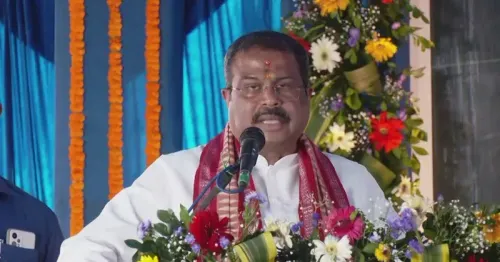
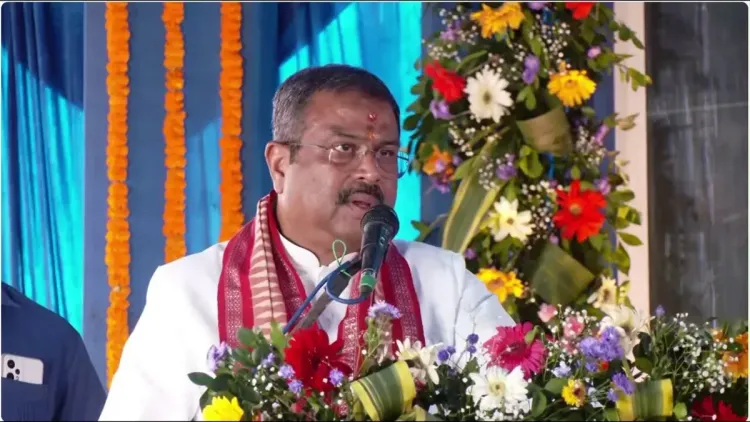
In a district better known for coal mines and thermal stacks, a patch of green is being pitched as the next employment frontier. Union Education Minister Dharmendra Pradhan on Wednesday, 11 November 2026, spotlighted the 'Suryaban' eco-resort in Angul, Odisha, calling it a unique effort to build industrial prosperity alongside local economic growth and rural development.
Posting in Odia, Pradhan wrote: 'ଅନୁଗୋଳରେ ଶିଳ୍ପ ସମୃଦ୍ଧତା ସାଙ୍ଗକୁ ସ୍ଥାନୀୟ ଅର୍ଥନୀତି ଓ ଗ୍ରାମାଞ୍ଚଳର ବିକାଶ ପାଇଁ 'ସୂର୍ଯ୍ୟବନ' ଇକୋ-ରିସର୍ଟ ଏକ ଅନନ୍ୟ ପ୍ରୟାସ।' — translated: 'The Suryaban eco-resort is a unique effort for industrial prosperity alongside local economic development and rural growth in Angul.' He added that the project would create new employment opportunities for local youth and 'add a new chapter in the tourism sector.'
Angul's industrial belt looks for a greener lane
Angul sits at the heart of Odisha's industrial corridor — home to some of the country's largest thermal power plants, aluminium smelters, and coal mines. That industrial muscle has driven state revenues for decades, but it has also left local communities with a narrow employment base concentrated in heavy industry and contract labour. The pitch for a nature-based eco-resort signals a deliberate attempt to widen that base.
Odisha has steadily promoted rural and nature-based tourism as a diversification play alongside its mineral economy. Indian states with similar heavy-industry footprints have increasingly turned to eco-tourism and heritage circuits to generate non-farm employment, particularly for youth who lack the technical credentials that large industrial units demand. The Suryaban project, as Pradhan frames it, fits squarely into that playbook.
Youth employment at the centre of the pitch
The minister's post places local youth employment front and centre — not tourism revenues or infrastructure spend. That framing matters. Rural youth unemployment in industrial districts often persists even when the district itself generates significant economic output, because large plants absorb a relatively small, specialised workforce. Hospitality, eco-tourism, and rural homestay models are labour-intensive by design, spreading opportunity more widely across skill levels.
The broader national push on sustainable rural development and youth employment in non-farm sectors gives the Suryaban initiative a ready policy tailwind. Whether the project delivers on its promise — in job numbers, in tourism footfalls, in rural income uplift — will be the real measure.
An industrial district planting an eco-resort at its edge is a small but telling signal: Odisha's growth story is being deliberately written beyond the smokestacks.
Point of View
Championing a district-level eco-project also keeps local constituency ties warm. The real test, however, lies in delivery — Odisha has floated several rural-tourism anchors in industrial belts before, and the gap between ministerial endorsement and on-ground job creation has historically been wide. If Suryaban moves quickly to documented employment numbers, it becomes a template; if it stalls, it becomes another announcement.
NationPress
11 Nov 2026
Frequently Asked Questions
What is the Suryaban eco-resort in Angul?
Suryaban is an eco-resort project in Angul district, Odisha, described by Union Minister Dharmendra Pradhan as a unique initiative to combine industrial growth with rural economic development and local youth employment through tourism.
Why is Dharmendra Pradhan promoting a tourism project in Angul?
Pradhan, a senior BJP leader from Odisha, highlighted the Suryaban eco-resort as a way to diversify Angul's heavily industrial economy and create new non-factory jobs for local youth in the tourism and hospitality sector.
What industries does Angul, Odisha have?
Angul is one of Odisha's most industrially active districts, with large thermal power plants, coal mining operations, and aluminium smelters forming the backbone of its economy.
How does eco-tourism help rural youth employment in Odisha?
Eco-tourism and rural hospitality projects are labour-intensive and accessible across skill levels, offering jobs in hospitality, guiding, and local services to youth who may not qualify for roles in large industrial plants.
What is Odisha's approach to rural tourism development?
Odisha has increasingly promoted nature-based and rural tourism as a diversification strategy alongside its mineral and industrial economy, aiming to broaden local employment and generate income in non-farm sectors.