Pradhan hails 'Vande Mataram' honour in Slovakia as India's rising global stature
Synopsis
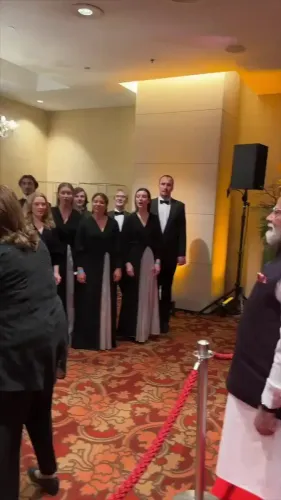
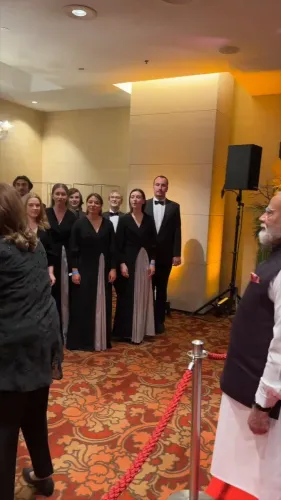
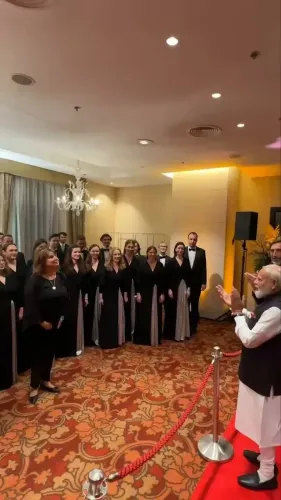
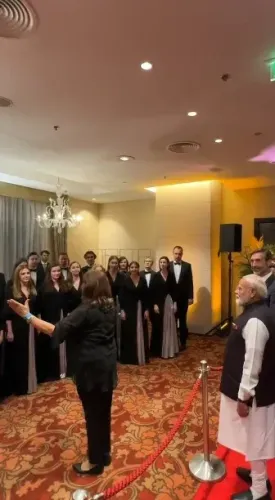
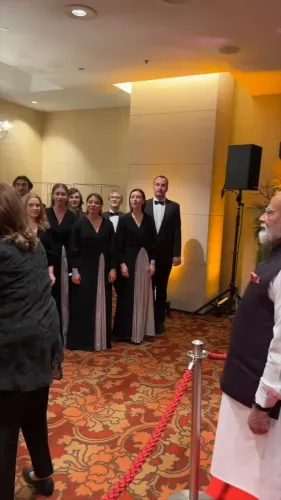
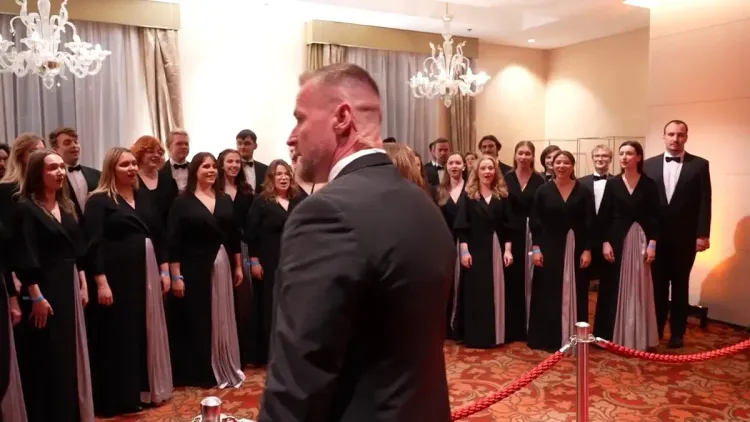
Union Education Minister Dharmendra Pradhan on 15 June 2026 praised the honouring of 'Vande Mataram' in Slovakia, calling it a symbol of India's growing global prestige under PM Narendra Modi and a reflection of 'New India' inspiring the world through its heritage.
Key Takeaways
Dharmendra Pradhan posted on 15 June 2026 celebrating the recognition of India's national song Vande Mataram in Slovakia .
The minister attributed India's rising global cultural influence to the leadership of PM Narendra Modi .
Slovakia and India have maintained diplomatic relations since 1993 , with cultural exchanges forming part of the bilateral relationship.
The Modi government has promoted Indian cultural symbols abroad since 2014 through bodies like the ICCR and diaspora networks.
The post reinforces the ruling establishment's 'New India' narrative, positioning India as a civilisational force inspiring the world.
Follow-up India-EU or India-Slovakia cultural cooperation announcements are being watched by observers.
Union Education Minister Dharmendra Pradhan on Monday, 15 June 2026, celebrated the recognition of India's national song 'Vande Mataram' in Slovakia, calling it a symbol of India's growing global influence under Prime Minister Narendra Modi. Pradhan posted on X that the resonance of India's culture and national spirit on the world stage is a source of pride for every Indian.
Context
In his post, Pradhan wrote: 'वैश्विक मंच पर भारत की संस्कृति और राष्ट्रभावना की गूंज आज हर भारतीय को गौरवान्वित कर रही है' — 'The echo of India's culture and national spirit on the global stage is filling every Indian with pride today.' He specifically cited the honour accorded to Vande Mataram in Slovakia as a marker of India's continuously expanding influence and prestige under PM Modi's leadership. The minister added that 'New India, with its heritage and capability, is inspiring the world.'
Vande Mataram, composed by Bankim Chandra Chattopadhyay in the 19th century, served as an anthem of India's independence movement and holds the status of national song. Its international recognition, particularly in a Central European setting, is being highlighted by the ruling establishment as evidence of Indian soft power in action.
Policy Backdrop
Since 2014, the Modi government has made cultural diplomacy a consistent pillar of its foreign policy, deploying institutions such as the Indian Council for Cultural Relations (ICCR) and leveraging the Indian diaspora to project national symbols and heritage on global platforms. Slovakia and India have maintained diplomatic relations since 1993, with periodic cultural and educational exchanges forming part of the bilateral framework.
The emphasis on 'New India' as a civilisational force — capable, confident, and rooted in heritage — has been a recurring theme in the government's external outreach, particularly across Europe and at multilateral forums. Highlighting moments where Indian cultural symbols receive overseas recognition fits squarely within this established communication strategy.
Stakeholders and Impact
The primary audience for such messaging is the Indian diaspora in Europe and cultural organisations that coordinate India-related programming abroad. For the diaspora, public affirmation of Indian cultural symbols by a senior Union minister reinforces a sense of connection to the homeland and validates their own cultural outreach efforts in host countries.
Domestically, the post feeds into a broader political narrative that positions the BJP-led government as the custodian of India's civilisational pride on the world stage — a message with consistent electoral and ideological resonance for the ruling party's core support base.
What's Next
Observers will watch for follow-up announcements on India-EU or India-Slovakia bilateral cultural cooperation, including any expansion of ICCR programmes or new educational exchange agreements. Any formal government-to-government cultural accord emerging from this moment would give institutional weight to what is currently a high-profile but informal recognition. The broader arc of India's soft-power push in Central and Eastern Europe is likely to remain a focus of the Ministry of External Affairs and cultural bodies through the remainder of 2026.
Point of View
A smaller Central European nation, suggests the government is actively tracking and amplifying even modest international recognitions of Indian cultural symbols to sustain a drumbeat of global-prestige messaging. This fits a deliberate, long-running strategy that uses cultural diplomacy not just for foreign-policy goals but as a tool of domestic ideological consolidation. The frequency of such posts from senior ministers signals that cultural nationalism and international validation will remain intertwined themes heading into the second half of 2026.
NationPress
19 Sept 2026
Frequently Asked Questions
What did Dharmendra Pradhan say about Vande Mataram in Slovakia?
Pradhan posted on 15 June 2026 that the honouring of Vande Mataram in Slovakia is a symbol of India's growing influence and prestige under PM Modi , and that 'New India' is inspiring the world with its heritage and capability.
What is Vande Mataram and why is it significant?
Vande Mataram is India's national song, composed by Bankim Chandra Chattopadhyay in the 19th century. It was a rallying anthem during India's independence movement and holds a revered place in the country's cultural and national identity.
What are India-Slovakia relations like?
India and Slovakia have maintained diplomatic relations since 1993 . The bilateral relationship includes periodic cultural and educational exchanges, and both countries engage through broader India-EU frameworks.
How has the Modi government used cultural diplomacy?
Since 2014 , the Modi government has promoted Indian cultural symbols and heritage abroad through the Indian Council for Cultural Relations (ICCR) , diaspora networks, and high-level political messaging, particularly in Europe and at multilateral forums.
What is the 'New India' narrative referenced by Pradhan?
The 'New India' narrative is a recurring theme in the BJP-led government's communication, positioning India as a confident, heritage-rooted civilisational power with growing global influence — used both in domestic politics and international outreach.