CM Rekha Gupta hails 'Vande Mataram' honour in Slovakia
Synopsis
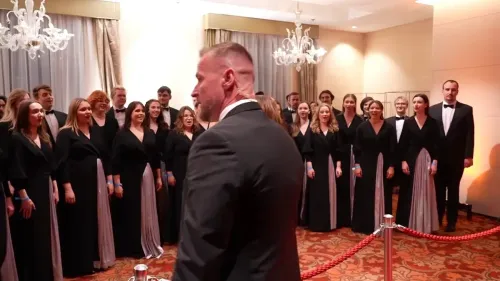
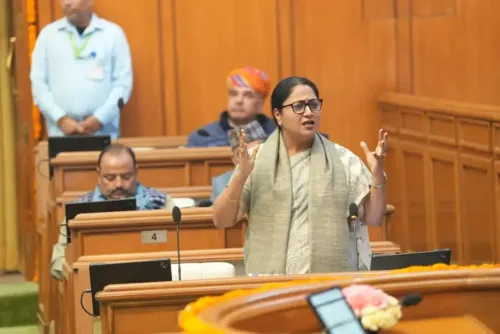
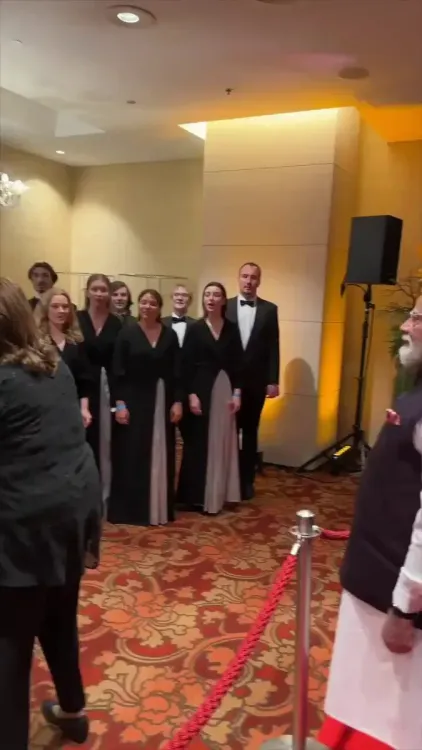
Delhi Chief Minister Rekha Gupta on 15 June 2026 hailed the honouring of Vande Mataram in Slovakia during PM Modi's European visit, calling it proof that the new India is advancing on the world stage with confidence and pride in its civilisational heritage.
Key Takeaways
Delhi CM Rekha Gupta praised the rendition of Vande Mataram in Slovakia on 15 June 2026 .
She described it as a symbol of global respect for India's culture, civilisation, and national consciousness.
Vande Mataram , composed in 1882 by Bankim Chandra Chatterjee , is India's national song and a key marker of national identity.
Since 2014 , the Modi government has used cultural performances as a deliberate soft-power tool during overseas visits.
Slovakia is a Central European EU and NATO member with established diplomatic and economic ties to India.
Follow-up on bilateral cultural or educational agreements from the Slovakia visit is expected from the Ministry of External Affairs .
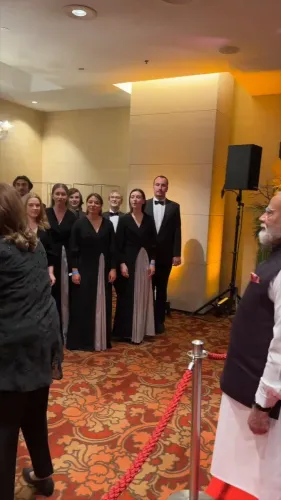
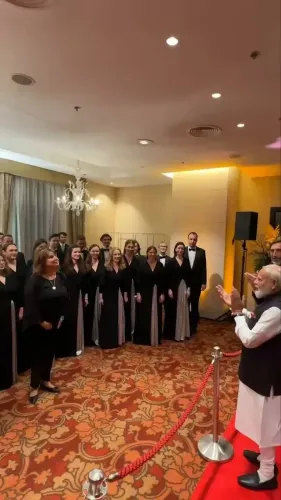
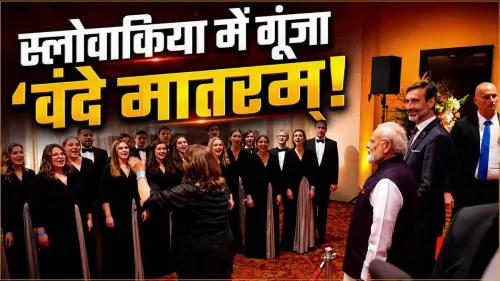
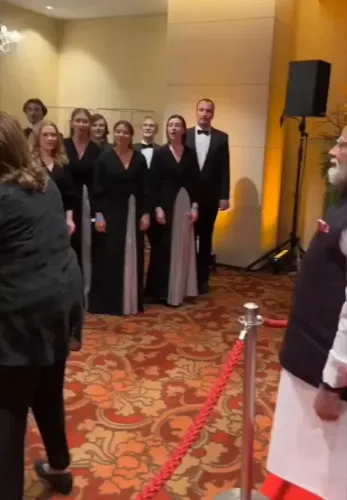
Delhi Chief Minister Rekha Gupta on Monday, 15 June 2026, lauded the rendition of Vande Mataram in Slovakia during Prime Minister Narendra Modi's ongoing European visit, calling it a symbol of global respect for India's culture, civilisation, and national consciousness.
Context
Posting on X, CM Gupta wrote — translated from Hindi — that 'the honour accorded to Vande Mataram in Slovakia is a symbol of global respect for India's culture, civilisation, and national consciousness.' She added that under PM Modi's leadership, 'the new India is moving forward on the world stage with confidence, alongside its heritage.' The post carried the hashtag #PMModiInSlovakia, situating her remarks firmly within the diplomatic moment.
Vande Mataram, India's national song, was composed in 1882 by Bankim Chandra Chatterjee. It has long served as a marker of national identity and is regularly performed at state and diaspora events abroad to underscore India's civilisational continuity.
Policy Backdrop
Since 2014, the Modi government has systematically woven performances of national cultural symbols into the fabric of official overseas visits. Renditions of Vande Mataram and similar heritage programmes have become standard features of high-level engagements with European Union member states.
This approach is part of a deliberate soft-power strategy that seeks to position India as a confident civilisational actor on the global stage — complementing economic and strategic outreach with cultural diplomacy. Slovakia, a Central European EU and NATO member, maintains diplomatic and economic ties with India, including cooperation in technology and education sectors.
Stakeholders and Impact
The Indian diaspora and cultural organisations in Europe are the most immediate stakeholders when national symbols are foregrounded during prime ministerial visits. Such moments tend to reinforce a sense of pride and belonging among overseas Indians while simultaneously signalling to host governments India's comfort with projecting its identity internationally.
CM Gupta's public endorsement of the cultural moment also reflects the BJP's domestic political messaging — that the party's leadership has elevated India's standing and self-assurance on the world stage, a narrative with resonance ahead of future electoral cycles.
What's Next
Attention will turn to follow-up statements from India's Ministry of External Affairs on any joint cultural or educational initiatives agreed during the Slovakia leg of PM Modi's European tour. Broader outcomes of the visit — including bilateral agreements and strategic discussions — will shape the longer-term significance of the cultural gestures highlighted by leaders like CM Gupta.
As India continues to embed cultural diplomacy within its foreign policy architecture, the reception of symbols like Vande Mataram on European soil is likely to remain a recurring and carefully choreographed element of high-level state visits.
Point of View
Ensuring the soft-power message reaches regional audiences. The invocation of 'new India' and 'civilisational confidence' signals that cultural diplomacy is not merely a foreign-policy tool but also an electoral one. How Slovakia and other EU partners respond in concrete policy terms will determine whether the symbolism translates into durable bilateral gains.
NationPress
14 Sept 2026
Frequently Asked Questions
Why did Delhi CM Rekha Gupta post about Vande Mataram in Slovakia?
CM Rekha Gupta posted to express support for PM Modi's European visit and to highlight what she called global respect for India's culture, using the performance of Vande Mataram in Slovakia as a symbolic marker.
What is Vande Mataram and why is it significant?
Vande Mataram is India's national song, composed in 1882 by Bankim Chandra Chatterjee. It is a powerful symbol of national identity and is frequently performed at state and diaspora events abroad to represent India's civilisational heritage.
What is PM Modi doing in Slovakia?
PM Narendra Modi was on a European visit that included a stop in Slovakia. Cultural programmes, including a performance of Vande Mataram, were part of the engagements, though specific details of bilateral agreements are yet to be officially confirmed.
How does India use cultural diplomacy during foreign visits?
Since 2014, the Modi government has systematically included performances of national cultural symbols such as Vande Mataram in official overseas visits, particularly to EU member states, as part of a broader soft-power strategy.
What are India's relations with Slovakia?
Slovakia is a Central European EU and NATO member that maintains diplomatic and economic relations with India, with cooperation extending to technology and education sectors.