Pradhan Invokes Jagannath Shloka in Devotional Post
Synopsis
Union Education Minister Dharmendra Pradhan invoked Lord Jagannath on X with the shloka 'Jagannathah Swami Nayanapathagami Bhavatu Me', reaffirming his deep Odia cultural and devotional identity in a post shared on 16 July 2026.
Key Takeaways
Union Education Minister Dharmendra Pradhan posted a devotional message on X on 16 July 2026 invoking Lord Jagannath .
The post included the shloka 'Jagannathah Swami Nayanapathagami Bhavatu Me' , a prayer for the blessed sight of Lord Jagannath.
The shloka is drawn from the Jagannath Ashtakam , attributed to Adi Shankaracharya .
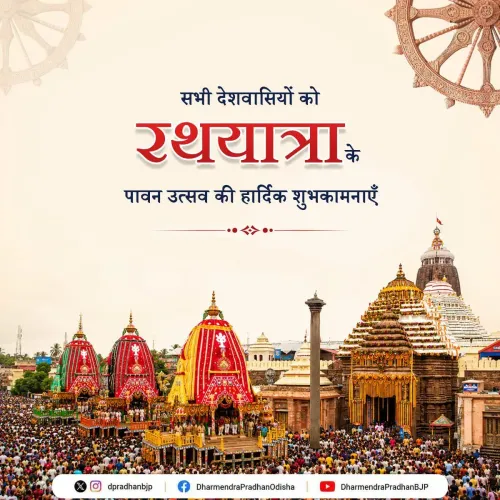
The Jagannath Temple in Puri, Odisha , is one of the four sacred dhams of Hinduism and the site of the annual Rath Yatra .
Senior BJP leaders from Odisha regularly share Jagannath devotional content as an expression of regional cultural identity.
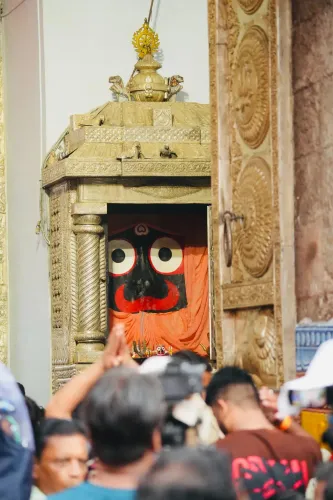
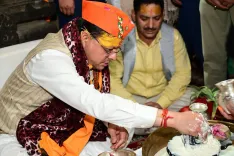
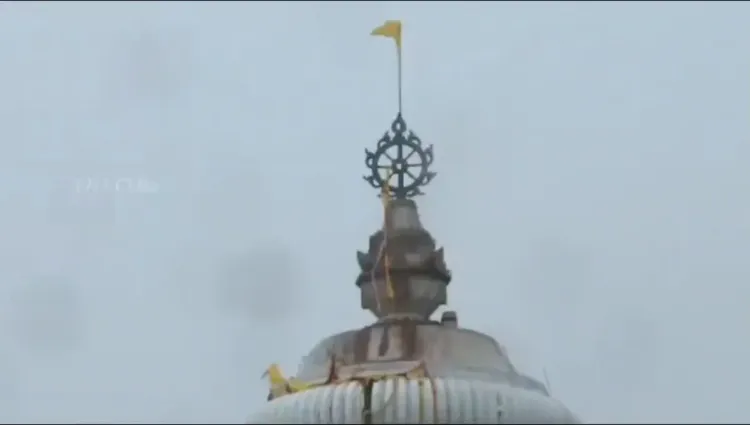
Union Education Minister Dharmendra Pradhan on Thursday, 16 July 2026, shared a devotional message on X invoking Lord Jagannath, posting the sacred shloka 'Jagannathah Swami Nayanapathagami Bhavatu Me' — meaning 'May Lord Jagannath, the master of the universe, be visible to my eyes' — accompanied by a video.
The Odia-language post opened with 'Jai Jagannath', the traditional salutation to the presiding deity of Puri, and included the venerated shloka that devotees recite as a prayer for a blessed sight — or darshan — of the Lord.
Context
Lord Jagannath is the presiding deity of the Jagannath Temple in Puri, Odisha, one of the four sacred dhams of Hinduism. The shloka Pradhan quoted is drawn from the Jagannath Ashtakam, a devotional hymn attributed to the philosopher-saint Adi Shankaracharya, and is among the most widely recited prayers in Odia Hindu tradition.
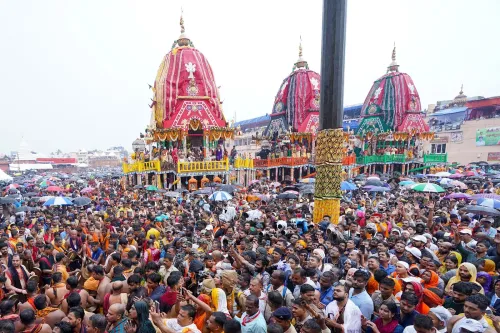
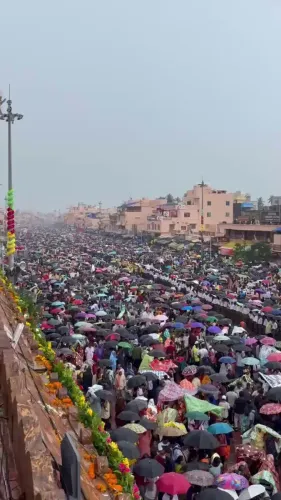
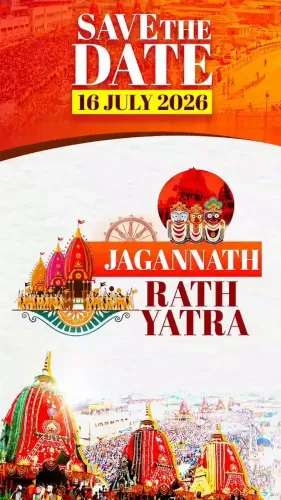
Pradhan, who hails from Odisha, has consistently expressed his devotion to Lord Jagannath through public posts, particularly around major religious occasions associated with the temple. The Rath Yatra — the annual chariot festival of Lord Jagannath held in Puri — is one of the largest religious gatherings in India and draws millions of pilgrims each year.
Policy Backdrop
Senior BJP leaders from Odisha routinely share devotional content centred on Jagannath worship as a way of affirming regional cultural identity within the framework of national politics. Such messaging reflects a broader pattern among elected representatives of highlighting India's living religious heritage in public communication.
The Jagannath Temple in Puri has also been at the centre of ongoing discussions around temple administration, heritage conservation, and religious tourism in Odisha. The central government has previously engaged with initiatives related to pilgrimage infrastructure and the promotion of spiritual tourism under various schemes.
Stakeholders and Impact
The post resonates with a large constituency of Odia devotees and Hindu pilgrims across India and the diaspora for whom the Jagannath tradition carries deep spiritual significance. For Pradhan, who represents Sambalpur and maintains strong roots in Odia cultural life, such expressions of faith also reinforce his connection with his home state's electorate.
The 'Jai Jagannath' greeting functions as both a religious salutation and a cultural marker of Odia identity, widely used across political and social discourse in the state. Posts of this nature by national-level leaders tend to draw significant engagement from devotees and cultural organisations associated with Jagannath worship.
What's Next
Attention will now turn to any related statements or government announcements concerning the Jagannath Temple, its administration, or heritage tourism initiatives in Odisha in the weeks ahead. The next major Rath Yatra cycle and associated state and central government activity around the festival will be closely watched by both devotees and policy observers.
Point of View
Such posts serve a dual purpose — spiritual expression and political signalling to a deeply devout electorate. The timing and use of a classical Sanskrit shloka, rather than a generic greeting, suggests a deliberate effort to project cultural depth. This sits within the BJP's broader national strategy of foregrounding India's religious and civilisational heritage through its elected representatives.
NationPress
16 Jul 2026
Frequently Asked Questions
What did Dharmendra Pradhan post about Jagannath?
Dharmendra Pradhan posted a devotional message on X on 16 July 2026, invoking Lord Jagannath with the shloka 'Jagannathah Swami Nayanapathagami Bhavatu Me', which translates as 'May Lord Jagannath, the master of the universe, be visible to my eyes.'
What does 'Jagannathah Swami Nayanapathagami Bhavatu Me' mean?
The phrase is a Sanskrit shloka meaning 'May Lord Jagannath, the master of the universe, be visible to my eyes.' It is a prayer for the blessed sight, or darshan, of Lord Jagannath and is part of the Jagannath Ashtakam attributed to Adi Shankaracharya.
What is Jai Jagannath?
'Jai Jagannath' is a traditional salutation meaning 'Victory to Lord Jagannath.' It is widely used by devotees and is a cultural marker of Odia identity, commonly heard during the Rath Yatra festival and other religious occasions in Odisha.
Why do BJP leaders from Odisha post about Jagannath?
Senior BJP leaders from Odisha, including Dharmendra Pradhan, regularly share devotional content referencing Lord Jagannath to affirm regional cultural identity and connect with a deeply devout electorate for whom Jagannath worship is central to Odia life.
What is the Jagannath Temple in Puri?
The Jagannath Temple in Puri, Odisha, is one of the four sacred dhams of Hinduism and is dedicated to Lord Jagannath. It is the site of the annual Rath Yatra chariot festival, which draws millions of pilgrims from across India and the world.