Pradhan joins national launch of Odisha Deep Sea Fishing Mission
Synopsis
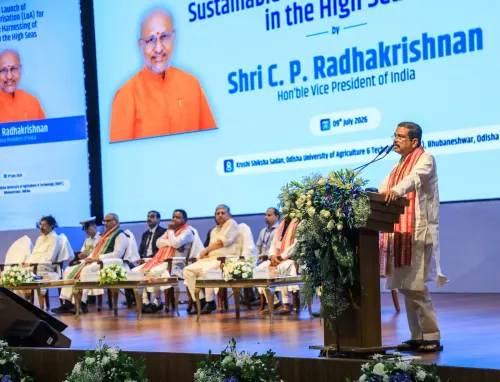
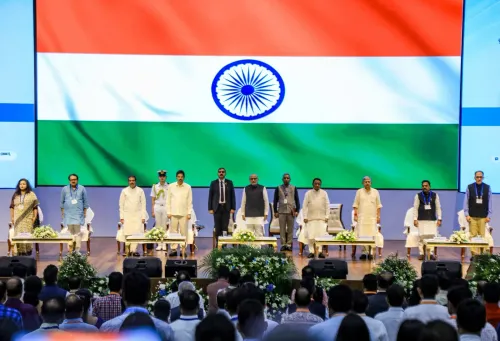
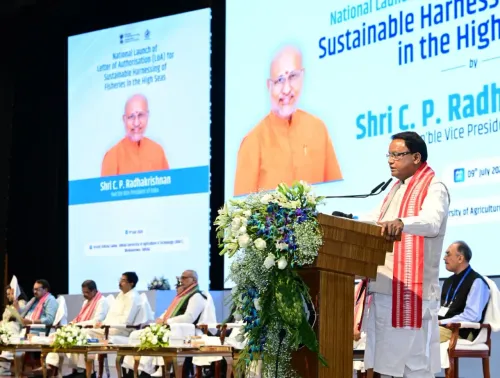
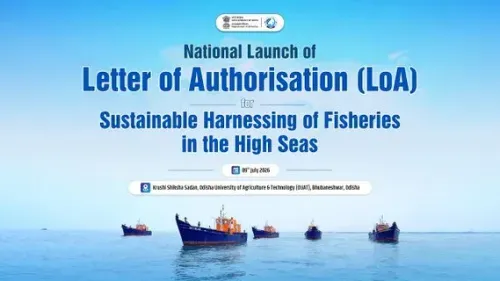
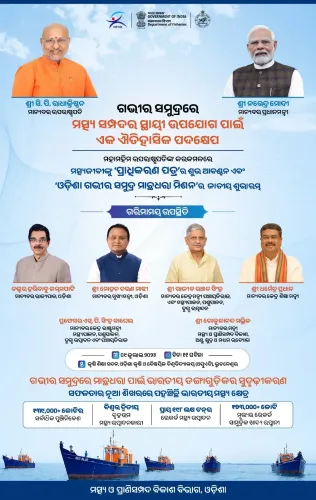
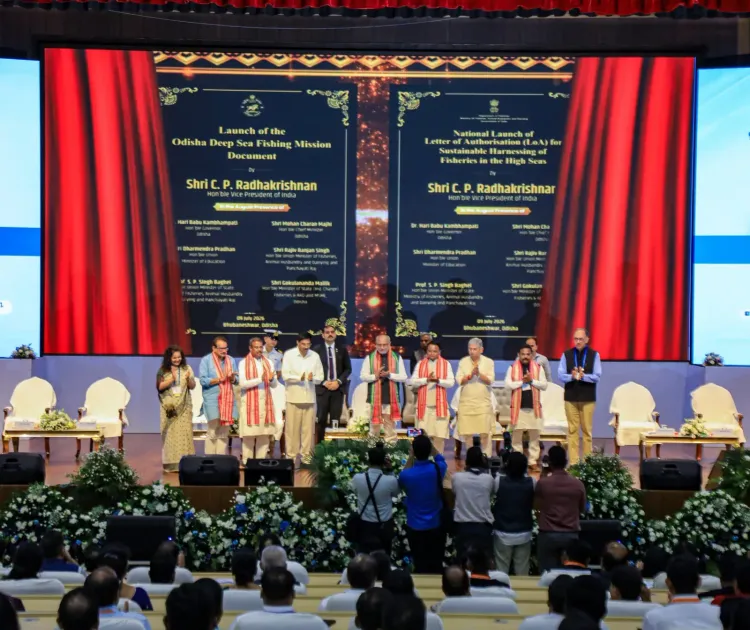
Union Education Minister Dharmendra Pradhan joined the Vice President, Odisha Governor, Chief Minister, and senior Union ministers in Bhubaneswar on 9 July 2026 for the national launch of the Odisha Deep Sea Fishing Mission and distribution of Letters of Authorisation for sustainable deep-sea fishery access.
Key Takeaways
The Odisha Deep Sea Fishing Mission was nationally launched in Bhubaneswar on 9 July 2026 .
Letters of Authorisation (LoA) for sustainable deep-sea fishery harvesting were distributed at the event.
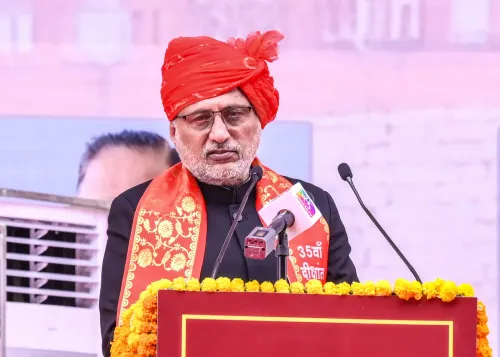
The Vice President of India , Odisha Governor , and Chief Minister Mohan Majhi attended alongside central and state ministers.
Union Minister Lalan Singh (Fisheries) and MoS S P Singh Baghel represented the Union government's fisheries portfolio.
The mission aligns with the Centre's Pradhan Mantri Matsya Sampada Yojana , launched in 2020 to modernise India's fisheries sector.
Odisha's 480-km coastline and large fishing community make it a key state in India's blue-economy strategy.
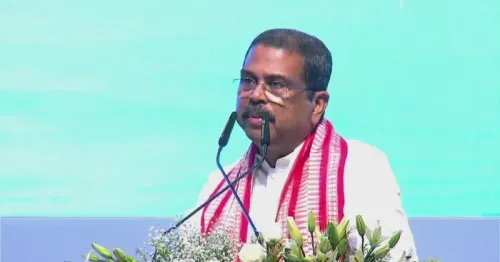
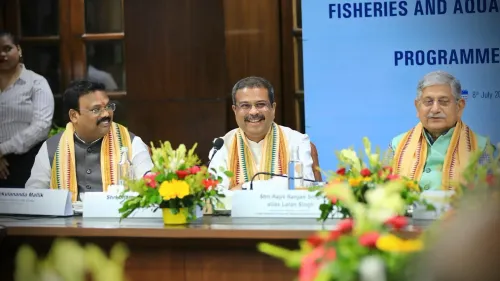
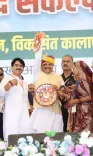
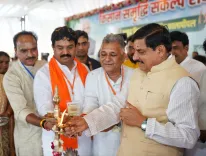
Union Education Minister Dharmendra Pradhan participated in the national launch of the Odisha Deep Sea Fishing Mission and the distribution of Letters of Authorisation (LoA) for sustainable harvesting of deep-sea fishery resources, held in Bhubaneswar on 9 July 2026. The event brought together senior constitutional and political figures to mark a significant step in Odisha's blue-economy agenda.
Writing in Odia on X, Pradhan noted that he joined the programme alongside Vice President of India, Odisha Governor Dr Hari Babu Kambhampati, Chief Minister Mohan Majhi, Union Minister for Panchayati Raj, Fisheries, Animal Husbandry and Dairying Lalan Singh, Minister of State S P Singh Baghel, and Odisha's Fisheries and Animal Resources Development Minister Gokulananda Mallik.
Context
The event centred on two deliverables: the formal national launch of the Odisha Deep Sea Fishing Mission and the allocation of Letters of Authorisation to fishermen or fishing entities, granting them rights to sustainably exploit deep-sea fishery resources. The simultaneous presence of the Vice President, the Governor, and central as well as state ministers signals the political weight attached to the initiative. Bhubaneswar, Odisha's capital, served as the venue, underscoring the state's centrality to India's eastern coastal fisheries sector.
Policy Backdrop
The Odisha mission is situated within India's broader blue-economy push, which received institutional momentum when the Centre launched the Pradhan Mantri Matsya Sampada Yojana (PMMSY) in 2020. PMMSY was designed to modernise fisheries infrastructure, increase fish production, and improve the livelihoods of coastal fishing communities across India. Successive central schemes have channelled funds to coastal states for deep-sea vessels, cold-chain infrastructure, and value-chain development, and Odisha's mission is consistent with that centre-state coordination model. The LoA mechanism adds a regulatory layer, tying access to deep-sea resources to sustainability commitments.
Stakeholders and Impact
Odisha's coastline stretches over 480 kilometres, supporting hundreds of thousands of fishermen and their families in districts such as Puri, Kendrapara, Balasore, and Ganjam. The LoA allocations are expected to give authorised operators formal access to deeper, less-exploited fishing grounds, potentially raising incomes while imposing sustainability norms. Coastal communities stand to benefit from improved vessel support and institutional backing, while the state government gains a structured framework for managing marine resources. The presence of central ministers also suggests that financial and technical support from the Union government will accompany the mission.
What's Next
Attention will now turn to the phased rollout of vessel allocations and skilling or training programmes under the mission. Observers will watch whether the LoA model — linking access rights to sustainability criteria — is replicated in other coastal states as a template for responsible deep-sea fishing governance. The convergence of central and state leadership at the launch event raises expectations for follow-through on infrastructure commitments and timely disbursement of support to beneficiary fishermen.
Point of View
Governor, Chief Minister, and multiple Union ministers — reflects the BJP-led Centre's strategy of using high-visibility events to project centre-state alignment on economic welfare schemes in electorally significant coastal constituencies. For Dharmendra Pradhan, a senior BJP leader from Odisha, participation reinforces his role as a political bridge between New Delhi and his home state even while holding the Education portfolio. The LoA mechanism is noteworthy as a regulatory innovation: tying resource-access rights to sustainability norms could set a precedent for how India manages its exclusive economic zone going forward. Whether the mission translates into measurable income gains for coastal fishermen will ultimately determine its political and policy legacy.
NationPress
9 Jul 2026
Frequently Asked Questions
What is the Odisha Deep Sea Fishing Mission?
The Odisha Deep Sea Fishing Mission is a state initiative launched nationally in Bhubaneswar on 9 July 2026 to enable sustainable harvesting of deep-sea fishery resources by authorised operators through a Letter of Authorisation mechanism.
What is a Letter of Authorisation (LoA) in fisheries?
A Letter of Authorisation (LoA) in this context is an official document that grants fishermen or fishing entities the right to access and harvest deep-sea fishery resources, typically tied to sustainability and regulatory conditions.
Who attended the Odisha Deep Sea Fishing Mission launch?
The launch was attended by the Vice President of India, Odisha Governor Dr Hari Babu Kambhampati, Chief Minister Mohan Majhi, Union Minister Lalan Singh, MoS S P Singh Baghel, state Fisheries Minister Gokulananda Mallik, and Union Education Minister Dharmendra Pradhan.
How does the Odisha mission relate to PMMSY?
The Odisha Deep Sea Fishing Mission builds on the foundation of the Pradhan Mantri Matsya Sampada Yojana (PMMSY), the central scheme launched in 2020 to modernise fisheries infrastructure and support coastal fishing communities across India.
Why is Dharmendra Pradhan involved in a fisheries event if he is the Education Minister?
Dharmendra Pradhan is a senior BJP leader from Odisha, and ministers routinely participate in major state-level development events regardless of their specific portfolio, particularly when those events carry political and economic significance for their home state.