Pradhan seeks blessings at Samaleswari Temple on Maha Navami
Synopsis
Union Education Minister Dharmendra Pradhan offered prayers at the Samaleswari Temple in Sambalpur on Maha Navami 2026, invoking Dussehra as the triumph of dharma over adharma and seeking peace and prosperity for all.
Key Takeaways
Dharmendra Pradhan visited the Samaleswari Temple in Sambalpur, Odisha on Maha Navami, October 19, 2026 .
He offered prayers to Maa Samaleswari , the presiding deity of Sambalpur, and sought her blessings for everyone's happiness, peace, and prosperity.
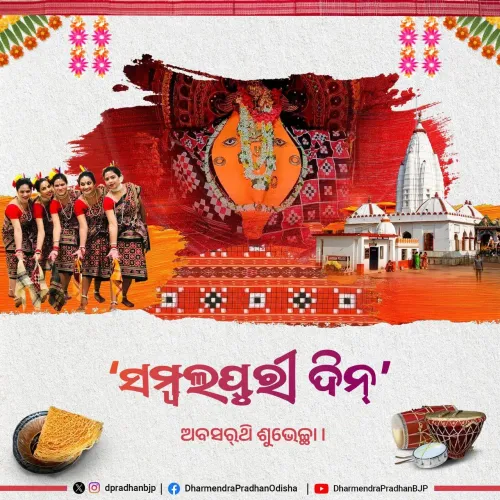
Pradhan described Dussehra as 'the victory of dharma over adharma and a symbol of goodwill, dedication, and faith.' The post was written in Odia , reflecting Pradhan's roots in Odisha and his connection to the state's cultural traditions.
The Samaleswari Temple is one of Odisha's most significant Shakti shrines, drawing massive crowds during the Navratri-Dussehra festival season.
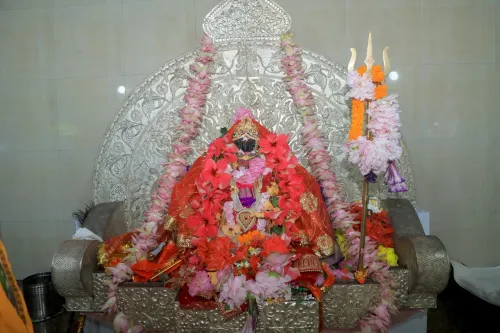
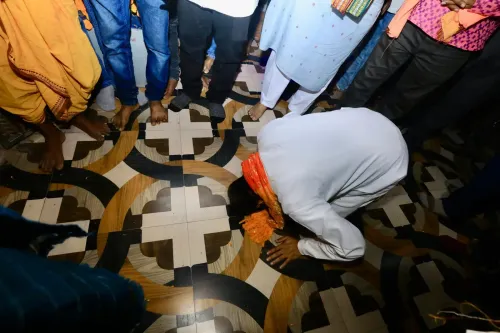
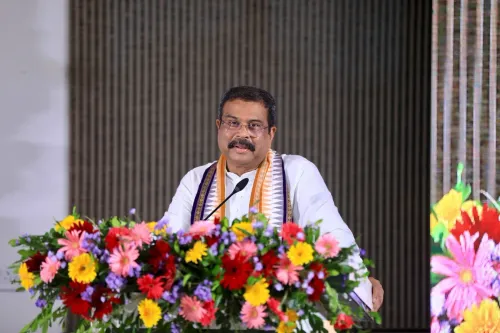
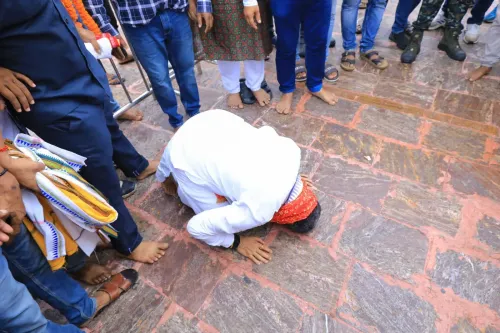
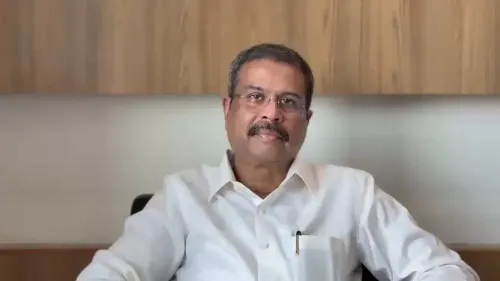
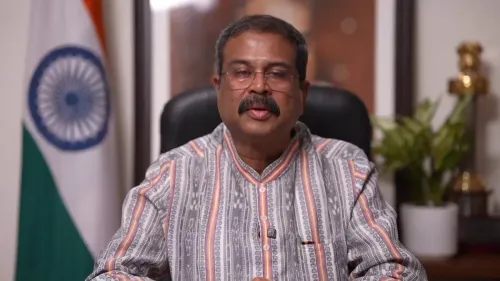
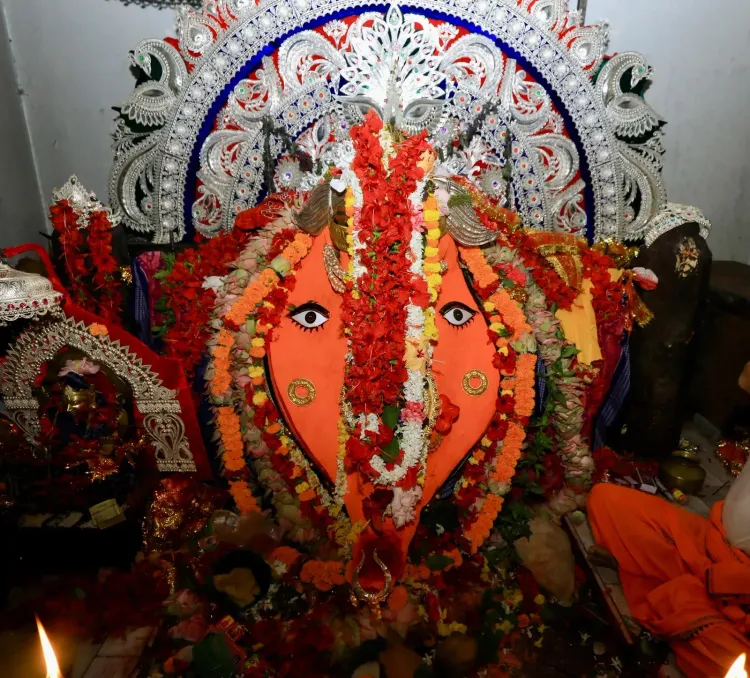
On the auspicious occasion of Maha Navami, Union Education Minister Dharmendra Pradhan visited the iconic Samaleswari Temple in Sambalpur, Odisha, on Monday, October 19, 2026, offering prayers to the presiding deity Maa Samaleswari and praying for the happiness, peace, and prosperity of all.
Posting in Odia, Pradhan opened with a devotional invocation — 'Jai Maa Samaleswari' — and wrote: 'On the sacred occasion of Maha Navami, I had the great fortune of having the darshan and performing puja of Maa Samaleswari, the presiding deity of Sambalpur. Dussehra is the symbol of the victory of dharma over adharma, of goodwill, dedication, and faith.' He went on to seek the goddess's blessings for everyone's wellbeing.
Maa Samaleswari and the soul of western Odisha
The Samaleswari Temple in Sambalpur is one of the most revered shrines in Odisha, dedicated to Goddess Samaleswari, an incarnation of Shakti who is worshipped as the guardian deity of the entire Sambalpur region. Dussehra and Navratri hold exceptional cultural significance here — the ten-day festival draws enormous crowds of devotees from across western Odisha and beyond, making Maha Navami, the ninth and penultimate day, among the most spiritually charged moments of the year.
Pradhan, Odisha, and the politics of cultural rootedness
Dharmendra Pradhan, a senior BJP leader originally from Odisha, has consistently maintained a visible connection to the state's religious and cultural fabric even as he serves in the Union Cabinet. Posting in Odia during one of the state's grandest festivals is a deliberate act of cultural affirmation — a reminder to his home constituency that the levers of national power remain tethered to local devotion. Indian ministers across the political spectrum routinely mark major regional festivals in vernacular languages, but for Pradhan, such gestures carry particular resonance given Odisha's competitive political landscape.
Dussehra, Pradhan noted, is not merely a religious observance — it is 'the symbol of the victory of dharma over adharma, of goodwill, dedication, and faith.' The framing echoes a broader cultural vocabulary that BJP leaders frequently invoke during the festive season, grounding national values in the rhythms of temple tradition.
Point of View
Long dominated by the BJD before the BJP's historic 2024 sweep, remains a state where identity politics and religious sentiment are deeply intertwined. By personally visiting a beloved regional shrine and invoking the dharma-adharma framework on one of the holiest days of the calendar, Pradhan reinforces both his personal devoutness and his party's claim to be the natural custodian of Odisha's cultural heritage — a narrative the BJP has been carefully building since its state-level breakthrough.
NationPress
19 Oct 2026
Frequently Asked Questions
Where is the Samaleswari Temple located?
The Samaleswari Temple is located in Sambalpur , a city in western Odisha. It is dedicated to Goddess Samaleswari, an incarnation of Shakti and the presiding deity of the Sambalpur region.
Why did Dharmendra Pradhan visit Sambalpur?
Dharmendra Pradhan visited Sambalpur's Samaleswari Temple on Maha Navami, October 19, 2026 , to offer prayers and seek the goddess's blessings for peace and prosperity during the Dussehra festival.
What is Maha Navami?
Maha Navami is the ninth day of the Navratri festival, considered one of the most sacred days of the ten-day celebrations. It falls just before Vijayadashami, also known as Dussehra.
What is the significance of Dussehra according to Dharmendra Pradhan?
In his post, Pradhan described Dussehra as 'the symbol of the victory of dharma over adharma, and of goodwill, dedication, and faith,' invoking the festival's traditional message of good triumphing over evil.
Which state is Dharmendra Pradhan from?
Dharmendra Pradhan is a senior BJP leader originally from Odisha . He currently serves as the Union Minister of Education in the Government of India.