Pradhan Accuses Rahul Gandhi of Using NEET Row for Disruption
Synopsis
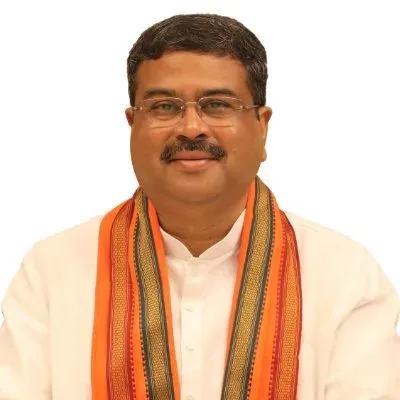
Union Education Minister Dharmendra Pradhan on 21 July 2026 accused Rahul Gandhi and the Congress of exploiting NEET as a political tool, staging a dharna near the PM's residence during the Monsoon Session instead of debating reforms in Parliament. The government reiterated its commitment to address student concerns on the floor of the House.
Key Takeaways
Union Education Minister Dharmendra Pradhan accused Rahul Gandhi and the Indian National Congress of using student concerns as political props during the Monsoon Session 2026 .
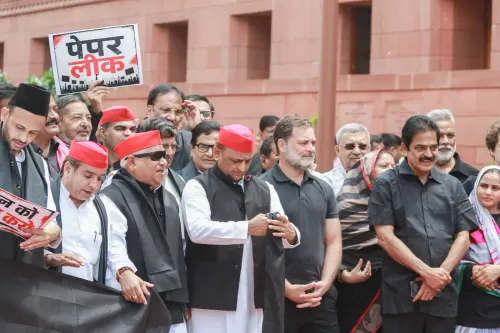
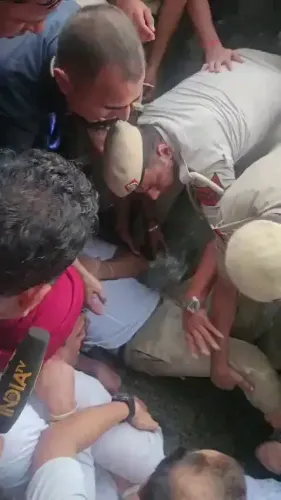
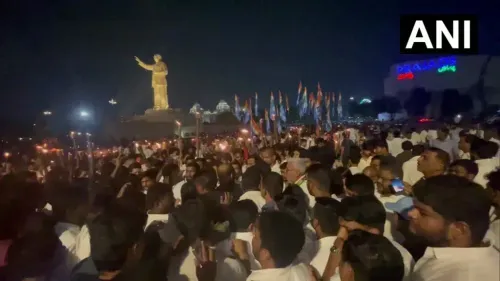
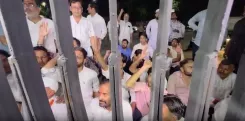
The Congress staged a dharna outside the Prime Minister's residence in New Delhi, which the government said disregarded security protocols and caused public inconvenience.
Pradhan stated the government had already conveyed its readiness for a comprehensive discussion on NEET on the floor of the House before the protest took place.
NEET has been the sole national medical entrance exam since 2016 ; a high-level committee was formed after 2024 paper-leak allegations to suggest reforms.
The minister reaffirmed the government is ' 100% committed ' to discussing NEET and delivering 'answers, reforms and accountability' to students.
Pending Supreme Court hearings on exam transparency and possible legislative action on NEET reforms in the current or Winter Session remain key developments to watch.
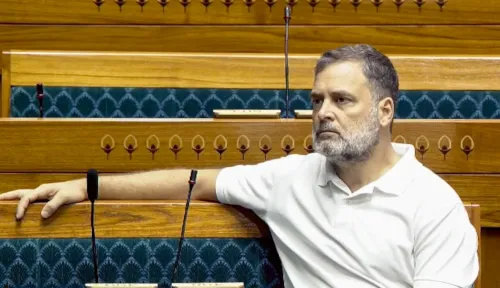
Union Education Minister Dharmendra Pradhan on Tuesday, 21 July 2026, sharply accused Leader of Opposition Rahul Gandhi and the Indian National Congress of exploiting student concerns over NEET as a political weapon, charging that the opposition staged a dharna outside the Prime Minister's residence during the ongoing Monsoon Session of Parliament rather than engaging in debate on the floor of the House.
Context
Pradhan's post on X stated that Gandhi and the Congress 'chose to stage a dharna outside the Hon'ble Prime Minister's residence, causing inconvenience to the public and disregarding established security protocols.' He added that even after the government conveyed its readiness for a comprehensive discussion, the Congress 'chose political spectacle over democratic debate.' The minister was unambiguous in his charge: 'Their objective was never solutions for students, it was disruption for political headlines.'
The statement came amid a charged Monsoon Session, which typically runs through July and August and has in recent years become a recurring flashpoint between the ruling BJP and the opposition over education and youth policy. Parliamentary proceedings have frequently been disrupted by opposition walkouts and protests tied to the NEET controversy.
Policy Backdrop
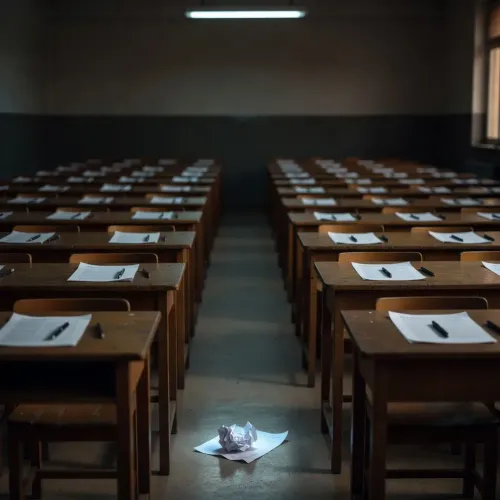
NEET — the National Eligibility cum Entrance Test — has been the sole national entrance examination for undergraduate medical admissions since 2016, introduced under the National Medical Commission Act framework to standardise entry and curb capitation fees. The examination has been defended by successive governments as a corruption-reducing single-window mechanism for professional admissions.
The debate intensified following allegations of a paper leak in the 2024 NEET cycle, after which the government constituted a high-level committee to recommend reforms in exam conduct and data security. The Congress has consistently used parliamentary sessions and street protests to spotlight access concerns and administrative failures linked to the exam. Pradhan's post reaffirmed the government's stance, stating it 'remains 100% committed to discussing NEET and addressing every genuine concern of our youth on the floor of the House.'
Stakeholders and Impact
At the centre of the dispute are lakhs of medical aspirants across India who appear for NEET each year, many of whom have raised concerns about exam integrity, access, and the adequacy of the current framework. Pradhan directly addressed these students in his post, saying: 'The students of India deserve far better than being treated as props in a political campaign. They deserve certainty over chaos, solutions over slogans and responsibility over disruption.'
The opposition's dharna near the Prime Minister's residence in New Delhi drew attention to security protocol concerns, with the government arguing that the protest was designed to generate headlines rather than advance any legislative remedy. The BJP-Congress contestation over NEET has increasingly become a proxy battle over the broader question of centralised education reform versus claims of systemic inequity.
What's Next
Pradhan closed his statement with a commitment framed as a direct contrast to the opposition's approach: 'We owe our students more than outrage. We owe them answers, reforms and accountability. That is exactly what our government remains committed to delivering.' The language signals that the government intends to keep the debate anchored to legislative and administrative action rather than street politics.
Observers will watch closely for any government bill or motion on NEET reforms tabled in the remainder of the Monsoon Session or the subsequent Winter Session, as well as pending Supreme Court hearings on petitions related to exam transparency and conduct. How the opposition responds inside Parliament — rather than outside the Prime Minister's gate — may determine whether the session produces any concrete legislative movement on student concerns.
Point of View
' the BJP is attempting to occupy the moral high ground on student welfare ahead of any legislative action on reforms. The framing — 'certainty over chaos, solutions over slogans' — echoes a long-running BJP communication strategy of positioning itself as the party of governance against an opposition it portrays as performative. Whether this holds depends on how quickly the government can translate its stated commitment into concrete, visible NEET reform on the floor of Parliament.
NationPress
20 Oct 2026
Frequently Asked Questions
Why did Dharmendra Pradhan criticise Rahul Gandhi over NEET?
Pradhan accused Rahul Gandhi and the Congress of staging a political protest outside the Prime Minister's residence during the Monsoon Session instead of engaging in debate on NEET reforms inside Parliament, calling it deliberate disruption for headlines rather than genuine concern for students.
What is the NEET controversy in India?
NEET is India's sole national entrance exam for undergraduate medical admissions, introduced in 2016. Controversy intensified after allegations of a paper leak in the 2024 exam cycle, prompting the government to form a high-level committee on exam conduct and data security.
What did the Congress dharna outside the PM's residence involve?
According to Pradhan's post, the Indian National Congress staged a dharna outside the Prime Minister's residence in New Delhi during the Monsoon Session 2026, which the government said caused public inconvenience and disregarded established security protocols.
What is the government's position on discussing NEET in Parliament?
The government, through Pradhan, stated it is '100% committed' to discussing NEET on the floor of the House and had already conveyed its readiness for a comprehensive discussion before the Congress chose to protest outside.
What reforms to NEET are expected?
A high-level committee constituted after the 2024 paper-leak allegations is expected to recommend reforms in exam conduct and data security. Possible legislative action may come in the current Monsoon Session or the Winter Session, alongside pending Supreme Court hearings on exam transparency.