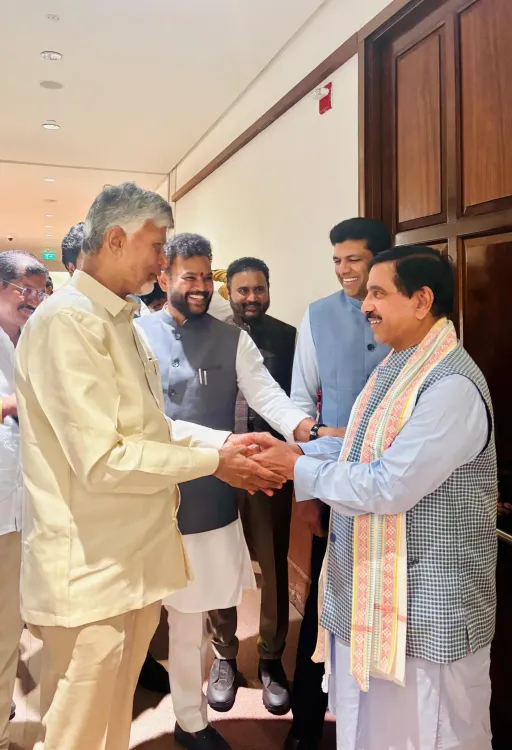
Pralhad Joshi meets AP CM Chandrababu Naidu at Parliament
Synopsis
Union Consumer Affairs Minister Pralhad Joshi met Andhra Pradesh Chief Minister N. Chandrababu Naidu at Parliament on 22 July 2026. The meeting reflects the active TDP-BJP NDA alliance and ongoing central-state coordination on governance, infrastructure, and energy priorities for Andhra Pradesh.
Key Takeaways
Pralhad Joshi , Union Minister of Consumer Affairs and New and Renewable Energy, met AP CM N.
Chandrababu Naidu at Parliament on 22 July 2026 .
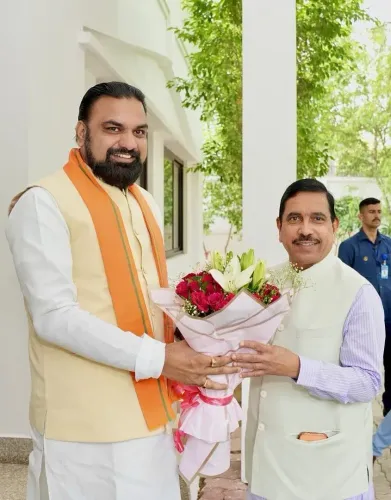
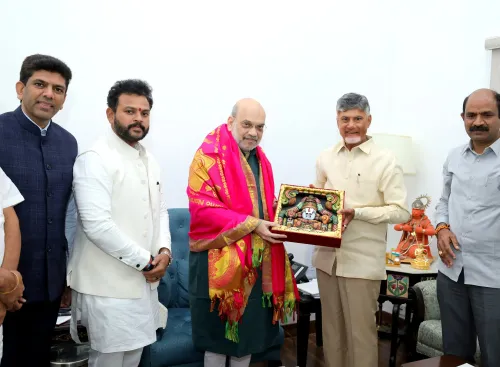
Joshi shared the meeting publicly on X, accompanied by two photographs , describing it as a cordial engagement.
The meeting reflects the TDP-BJP NDA alliance formed after the 2024 Lok Sabha elections , which brought Naidu back as Chief Minister of Andhra Pradesh.
Joshi's portfolios in Consumer Affairs and New and Renewable Energy are directly relevant to Andhra Pradesh's development priorities.
Andhra Pradesh , bifurcated in 2014 , continues to seek central support for infrastructure, special financial assistance, and renewable energy expansion.
Union Consumer Affairs Minister Pralhad Joshi met Andhra Pradesh Chief Minister N. Chandrababu Naidu at Parliament on Wednesday, 22 July 2026, marking a visible engagement between a senior Union minister and the Telugu Desam Party leader within the corridors of the national legislature.
Context
Joshi shared the meeting on X, writing: 'Glad to meet Chief Minister of Andhra Pradesh, Shri Chandrababu Naidu ji, at the Parliament today.' The post was accompanied by two photographs, underscoring the cordial nature of the interaction. Such exchanges between Union ministers and chief ministers during Parliament sessions are a routine feature of India's cooperative federal framework.
Policy Backdrop
The meeting comes against the backdrop of a strengthened TDP-BJP alliance that took shape after the 2024 Lok Sabha elections, when the Telugu Desam Party joined the BJP-led National Democratic Alliance, paving the way for Naidu's return as Chief Minister of Andhra Pradesh. The alliance has since shaped central-state negotiations on resource allocation and infrastructure development. Andhra Pradesh, formed in 2014 following the bifurcation that created Telangana, continues to pursue financial assistance and infrastructure support from the Centre.
Joshi holds two key portfolios — Consumer Affairs, Food and Public Distribution, and New and Renewable Energy — both of which carry direct relevance for a state like Andhra Pradesh that has been actively expanding its renewable energy capacity and managing food distribution logistics across a large coastal geography.
Stakeholders and Impact
The TDP-BJP partnership has positioned Naidu as a significant voice within the NDA coalition, giving Andhra Pradesh greater leverage in negotiations over central schemes and budgetary allocations. Interactions of this nature between the Chief Minister and senior Union ministers signal ongoing coordination on governance priorities. For residents of Andhra Pradesh, outcomes of such meetings can influence the pace of infrastructure projects, renewable energy investments, and public distribution reforms in the state.
Joshi, a senior BJP leader from Karnataka, has been an active interlocutor within the NDA's multi-party coalition structure. His portfolios intersect with state-level concerns around food security and clean energy, areas where Andhra Pradesh has sought central support.
What's Next
Observers will watch for any announcements around special packages for Andhra Pradesh in upcoming budget or legislative sessions, particularly in the areas of renewable energy infrastructure and food distribution reform. With Parliament in session, the frequency of such inter-governmental interactions is expected to remain high, and any policy follow-through from the Joshi-Naidu meeting could emerge in the coming weeks through ministerial orders or scheme notifications.
Point of View
Though brief and ceremonial in public framing, is a visible marker of the NDA coalition's internal diplomacy — where TDP's support in the Lok Sabha translates into regular access to senior Union ministers for Andhra Pradesh's chief minister. Naidu's ability to secure face time with ministers holding critical portfolios like renewable energy and food distribution reflects the leverage regional allies carry in a coalition government. For Joshi, the engagement reinforces his role as a bridge between the BJP's national agenda and the coalition's regional partners. The interaction fits a broader pattern of Parliament sessions serving as informal bilateral forums where state-level demands are quietly advanced alongside legislative business.
NationPress
22 Jul 2026
Frequently Asked Questions
Why did Pralhad Joshi meet Chandrababu Naidu at Parliament?
Union Minister Pralhad Joshi met Andhra Pradesh Chief Minister N. Chandrababu Naidu at Parliament on 22 July 2026 as part of ongoing central-state coordination within the TDP-BJP NDA alliance. Such meetings during Parliament sessions are common for advancing state-specific governance and policy priorities.
What is the relationship between TDP and BJP?
The Telugu Desam Party (TDP) and Bharatiya Janata Party (BJP) are alliance partners in the National Democratic Alliance (NDA). TDP joined the NDA after the 2024 Lok Sabha elections, which enabled N. Chandrababu Naidu's return as Chief Minister of Andhra Pradesh.
What portfolios does Pralhad Joshi hold in the Union Cabinet?
Pralhad Joshi serves as Union Minister of Consumer Affairs, Food and Public Distribution, and Minister of New and Renewable Energy. He is a senior BJP leader from Karnataka.
What are Andhra Pradesh's key demands from the Centre?
Andhra Pradesh has long sought special category status, financial assistance for capital development, and support for infrastructure and renewable energy projects following its bifurcation from Telangana in 2014.
What is the significance of meetings between Union ministers and CMs at Parliament?
Meetings between Union ministers and chief ministers during Parliament sessions reflect India's cooperative federalism, allowing state leaders to directly engage with central policymakers on resource allocation, scheme implementation, and infrastructure priorities.