Pralhad Joshi Reviews Consumer Welfare, Price Monitoring Priorities
Synopsis
Union Consumer Affairs Minister Pralhad Joshi on June 25, 2026, reviewed consumer welfare priorities, price monitoring of essential commodities, and grievance redressal mechanisms with the Department of Consumer Affairs Secretary, flagging transparency and fair trade as key focus areas.
Key Takeaways
Union Consumer Affairs Minister Pralhad Joshi chaired a review meeting with the Department of Consumer Affairs Secretary on June 25, 2026 .
Discussions covered price monitoring of essential commodities , consumer welfare priorities, and implementation of departmental initiatives.
Strengthening consumer grievance redressal and promoting fair trade practices were identified as key focus areas.
The Minister tagged the Jago Grahak Jago campaign — a national consumer awareness initiative running since 2005 — in his post.
The Consumer Protection Act, 2019 forms the legislative backbone of the department's enforcement and mediation work.
Monthly price monitoring reports and parliamentary updates on the Act's rules implementation are expected to follow.
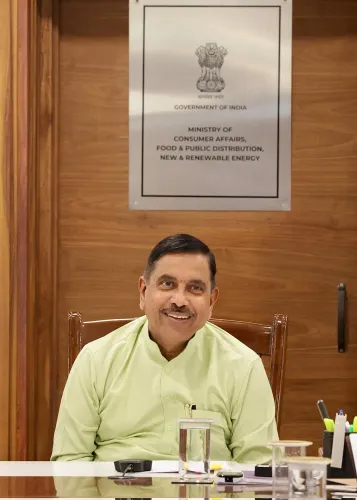
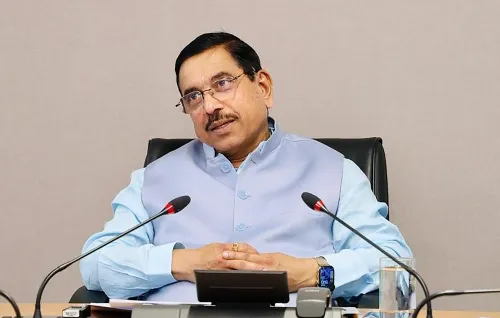
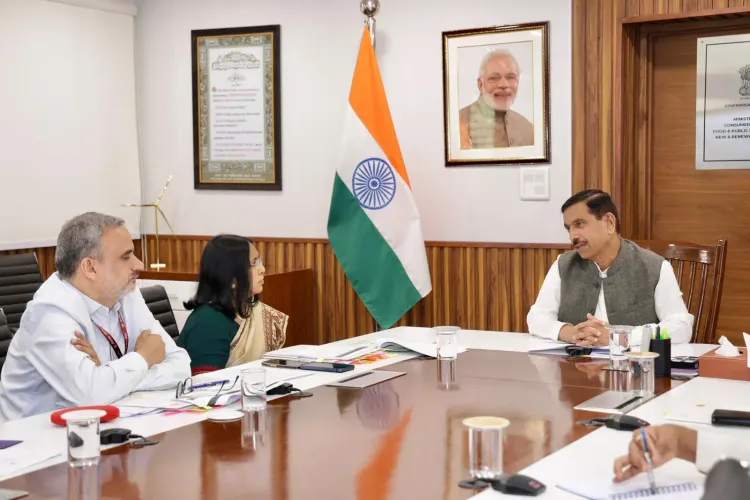
Union Consumer Affairs Minister Pralhad Joshi on Thursday, June 25, 2026, chaired a meeting with the Secretary of the Department of Consumer Affairs, covering key priorities in consumer welfare, price monitoring of essential commodities, and the implementation of the department's ongoing initiatives.
Context
The meeting, flagged by the Minister on X with a tag to the official Jago Grahak Jago campaign handle, addressed a broad agenda: strengthening consumer grievance redressal, promoting fair trade practices, and ensuring greater transparency and accountability in safeguarding consumer interests. Joshi described the discussions as centred on making the department's outreach and enforcement more effective.
The ministerial review comes as the department maintains routine oversight of retail price movements in essential commodities including pulses, edible oils, and vegetables — categories that directly affect household budgets across India.
Policy Backdrop
The Consumer Protection Act, 2019 replaced a three-decade-old framework and introduced mediation cells, expanded product liability provisions, and created new enforcement pathways for aggrieved consumers. The Act has been a legislative anchor for the department's work under successive governments.
The Jago Grahak Jago campaign, launched in 2005, has since been scaled up with digital portals enabling grievance filing and price alerts. The campaign's handle being tagged in the Minister's post signals continued emphasis on public-facing consumer awareness as a pillar of the department's strategy.
Central governments have consistently maintained high-level reviews of price monitoring systems, and the current administration has sought to layer digital tools onto these mechanisms to improve response times and data transparency.
Stakeholders and Impact
The primary beneficiaries of an effective consumer affairs framework are ordinary consumers, particularly those dependent on stable prices for essential food items. Retail traders and market intermediaries are also directly affected by fair trade enforcement and transparency norms.
Grievance redressal improvements — a specific focus of Thursday's discussion — bear on millions of consumers who file complaints through the National Consumer Helpline and district consumer commissions annually. Faster resolution and greater accountability at the departmental level can meaningfully reduce the burden on these channels.
What's Next
Observers will watch for the release of monthly price monitoring reports from the department, as well as any parliamentary updates on the implementation of rules under the Consumer Protection Act, 2019. The Minister's emphasis on 'transparency and accountability' may also signal upcoming communication from the department on digitisation milestones or grievance redressal metrics.
With essential commodity prices remaining a politically sensitive indicator, the outcomes of this ministerial review are likely to shape near-term administrative priorities for the department heading into the second half of 2026.
Frequently Asked Questions
What did Pralhad Joshi discuss in his consumer affairs meeting on June 25, 2026?
Minister Pralhad Joshi met the Secretary of the Department of Consumer Affairs to discuss consumer welfare priorities, price monitoring of essential commodities, strengthening grievance redressal, promoting fair trade practices, and improving transparency and accountability in consumer protection.
What is the Jago Grahak Jago campaign?
Jago Grahak Jago is a national consumer awareness campaign launched in 2005 by the Department of Consumer Affairs. It promotes consumer rights, fair trade practices, and has been expanded with digital portals for grievance filing and price alerts.
What is the Consumer Protection Act 2019?
The Consumer Protection Act, 2019 replaced the older 1986 law and introduced mediation cells, stronger product liability provisions, and expanded enforcement mechanisms to better protect Indian consumers.
How does the government monitor essential commodity prices in India?
The Department of Consumer Affairs runs a price monitoring system that tracks retail and wholesale prices of key essentials such as pulses, edible oils, and vegetables, publishing monthly reports and issuing price alerts through digital platforms.
What is the National Consumer Helpline?
The National Consumer Helpline is a government-run channel where consumers can register complaints and seek redressal for issues related to goods and services. It operates under the Department of Consumer Affairs and handles millions of queries annually.