Gujarat CMO targets zero school dropout with AI early warning system
Synopsis
Gujarat's government, led by CM Bhupendra Patel, is using an AI-powered Early Warning System and a Child Tracking System covering over 54,000 schools to achieve a zero school dropout rate, preventing over 1.67 lakh dropouts last year and re-enrolling 90,212 children this year.
Key Takeaways
The Gujarat government has set a zero dropout rate target across primary, secondary, and higher secondary education.
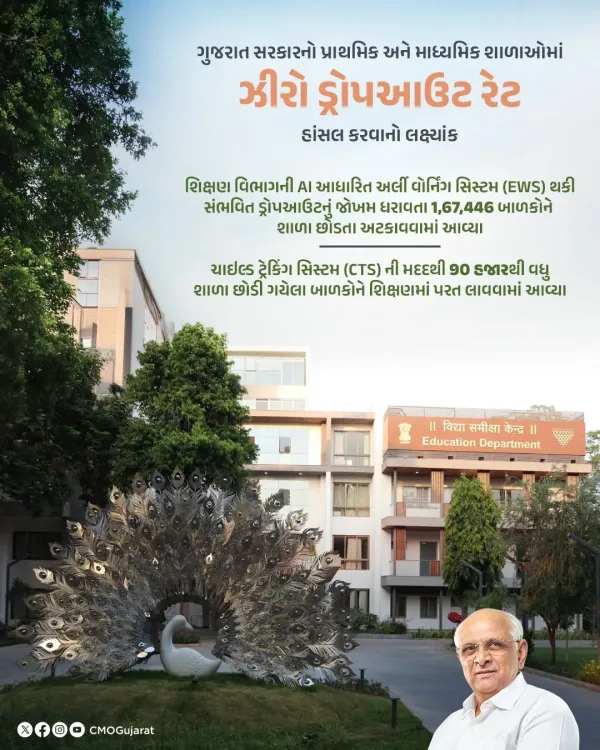
An AI-based Early Warning System (EWS) at Vidya Sameeksha Kendra, Gandhinagar, prevented 1,67,446 at-risk children from dropping out in the previous year.
The Child Tracking System (CTS) covers over 54,000 schools and a database of more than 1 crore students statewide.
Approximately 90,212 out-of-school children were brought back into education this year through the CTS.
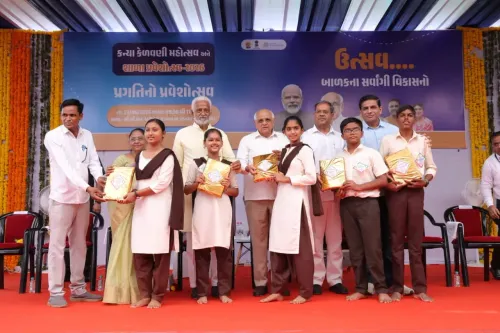
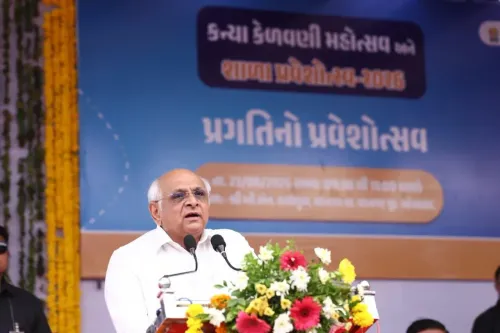
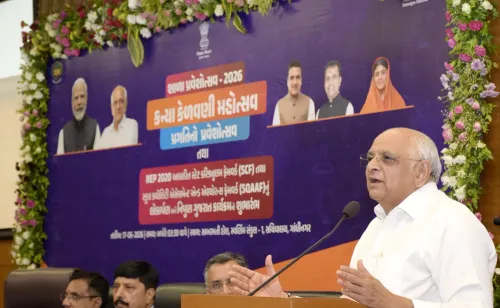
The initiative is linked to the annual Shala Praveshostav 2026 school enrolment drive.
The approach aligns with the National Education Policy 2020 and mirrors similar tracking pilots in Andhra Pradesh and Tamil Nadu.
The Chief Minister's Office of Gujarat announced on Thursday, 25 June 2026 that the state government, under Chief Minister Bhupendra Patel, is pursuing a 'Zero Dropout Rate' target across primary, secondary, and higher secondary education levels, deploying artificial intelligence and a statewide child-tracking platform to identify and retain at-risk students.
Context
The post, shared in Gujarati, states that an AI-based Early Warning System (EWS) operational at the Vidya Sameeksha Kendra in Gandhinagar predicted potential dropouts in advance and helped prevent 1,67,446 children from leaving school in the previous year. Separately, the Child Tracking System (CTS) — covering a database of more than 54,000 schools and over 1 crore students — helped bring back approximately 90,212 out-of-school children into the education mainstream this year. The announcement was tagged #ShalaPraveshostav2026 and #GujaratGauravGatha, linking it to the state's annual school enrolment drive.
Policy Backdrop
Gujarat's technology-driven retention push builds on a longer policy lineage. The Right of Children to Free and Compulsory Education Act, 2009 established legal entitlements for universal retention up to Class 8, while the state's own Gunotsav programme, also launched in 2009, introduced periodic school assessments to identify institutions needing support. The national Samagra Shiksha Abhiyan, consolidated in 2018, further emphasised dropout reduction across elementary and secondary levels. The current AI-and-data approach aligns with the National Education Policy 2020, which explicitly encourages technology-enabled monitoring to achieve universal school completion. Comparable child-tracking pilots have been undertaken in states such as Andhra Pradesh and Tamil Nadu.
Stakeholders and Impact
The primary beneficiaries are children from economically and socially vulnerable households who are statistically most at risk of dropping out. The EWS flags these students before they disengage, allowing education officials and teachers to intervene with targeted support. The CTS, by maintaining a live academic profile for every enrolled student across Gujarat's 54,000-plus schools, enables district-level administrators to track re-enrolment of children who have already left. Together, the two systems position Vidya Sameeksha Kendra as a real-time nerve centre for the state's education retention strategy.
What's Next
Observers will watch the outcomes of the Shala Praveshostav 2026 enrolment festival for fresh enrolment figures and any published evaluation of the EWS's predictive accuracy in the upcoming academic cycle. A possible integration of the CTS dataset with the national UDISE+ portal could further strengthen the tracking infrastructure and allow cross-state comparisons. The government's ability to sustain and scale these interventions will be the true measure of progress toward its stated zero-dropout goal.
Point of View
Moving beyond aspirational targets to quantified intervention numbers. The figures cited — over 1.67 lakh prevented dropouts and 90,000-plus re-enrolments — give the policy a measurable, audit-ready dimension that is relatively rare in state education announcements. Anchoring the announcement to Shala Praveshostav 2026 also signals a deliberate communication strategy: framing a technocratic governance tool within a community-facing enrolment festival for broader public resonance. The real test will be whether independent evaluations of EWS predictive accuracy and CTS re-enrolment sustainability are made publicly available.
NationPress
25 Jun 2026
Frequently Asked Questions
What is Gujarat's zero dropout rate target in schools?
The Gujarat government, under Chief Minister Bhupendra Patel, aims to reduce the school dropout ratio to zero percent across primary, secondary, and higher secondary education levels using AI-based monitoring tools.
What is the Early Warning System (EWS) used in Gujarat schools?
The Early Warning System is an AI-driven platform operating at the Vidya Sameeksha Kendra in Gandhinagar that predicts which students are likely to drop out, enabling timely intervention by education authorities. It prevented 1,67,446 children from dropping out last year.
What is the Child Tracking System (CTS) in Gujarat?
The Child Tracking System is a statewide database covering over 54,000 schools and more than 1 crore students that monitors enrolment, attendance, and academic progress. This year it helped bring approximately 90,212 out-of-school children back into education.
What is Vidya Sameeksha Kendra in Gandhinagar?
Vidya Sameeksha Kendra is an education monitoring centre based in Gandhinagar, Gujarat, that aggregates school data and deploys predictive analytics and AI tools to support the state's dropout-prevention efforts.
What is Shala Praveshostav 2026?
Shala Praveshostav is an annual school enrolment festival organised by the Gujarat government to boost new admissions and reduce dropout rates at the start of the academic year.