Has the Draft Electoral Roll for Puducherry Been Published?

Synopsis
The Election Commission of India has unveiled the Draft Electoral Roll for Puducherry as part of its Special Intensive Revision process. With a focus on transparency and inclusivity, the public can now verify and challenge the draft until January 15, 2026.
Key Takeaways
Draft Electoral Roll published for public verification.
The claims and objections period runs until January 15, 2026.
30 Electoral Registration Officers are overseeing the process.
Electoral participation has seen a significant increase.
Final electoral roll to be published on February 14, 2026.
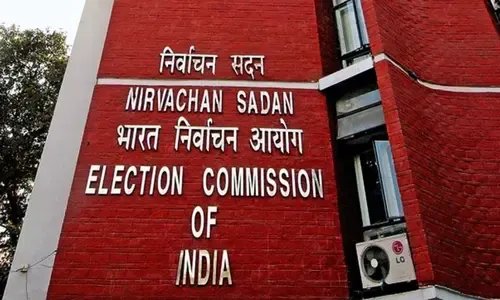
Puducherry, Dec 16 (NationPress) The Election Commission of India (ECI) announced the publication of the Draft Electoral Roll for the Union Territory of Puducherry on Tuesday, as part of the ongoing Special Intensive Revision (SIR) initiative. This step underscores its commitment to a transparent, participative, and inclusive revision of voter registrations.
Printed booth-wise draft rolls have been distributed, and both printed and digital versions are accessible to all recognized political parties, as well as on the Chief Electoral Officer’s (CEO) official website.
Public verification has been facilitated with booth-wise lists of electors reported as deceased, permanently migrated, or those with duplicate registrations, whose names do not appear on the draft roll. These lists are displayed at Panchayat Bhavans, urban local body offices, and Block Development Offices.
The claims and objections period is now open from December 16, 2025, to January 15, 2026. During this timeframe, electors and political entities can request the inclusion of eligible voters or the removal of ineligible names.
A total of 30 Electoral Registration Officers (EROs) and 30 Assistant EROs are appointed to review these claims, with additional AEROs assigned to help streamline the process.
During the SIR phase, Puducherry experienced remarkable participation, with over 9,18,111 electors submitting Enumeration Forms out of a total electorate of 10,21,578.
The ECI noted a high level of engagement from officials, volunteers, and political parties across the two districts. Some electors were excluded from the draft roll as they were found registered in other states or union territories, were not traceable, did not submit their forms by the December 11 deadline, or chose not to register.
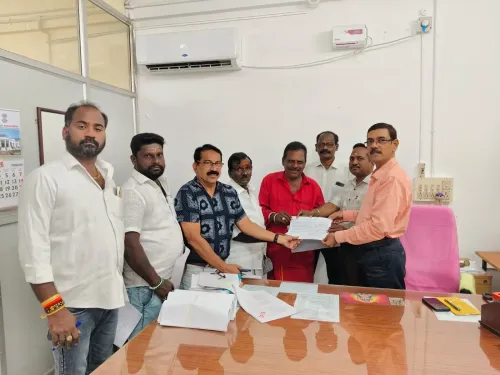
Despite this, the ECI reassured that genuine electors can still be added during the claims and objections period. Names registered at multiple locations will be maintained at only one location. To ensure that no eligible voter is overlooked, Booth Level Officers (BLOs) conducted door-to-door visits with several follow-ups, while Electoral Registration Officers engaged with political parties and provided them with preliminary lists of uncollectable forms for verification by Booth Level Agents (BLAs).
The number of BLAs surged from 888 at the inception of SIR to 2,729, reflecting increased political involvement.
Special enrollment camps were held at all polling stations in late November.
Furthermore, the ECI rationalized polling stations, increasing their count from 962 to 1,099 by limiting the number of electors per station to 1,200, a strategy aimed at enhancing voter convenience and managing queues effectively.
The ECI reiterated that deletions will only occur following due process, which includes notice and a reasoned order, stating that the final electoral roll will be published on February 14, 2026.
Point of View
It is crucial to keep the public informed about the electoral processes that shape our democracy. The Draft Electoral Roll publication in Puducherry is a significant event that underscores the commitment of the Election Commission to uphold the integrity of the electoral system. Ensuring transparency and inclusivity during this process is vital for fostering public trust and enhancing participation in future elections.
NationPress
19 Sept 2026
Frequently Asked Questions
What is the purpose of the Draft Electoral Roll?
The Draft Electoral Roll is published to update and verify voter registrations, allowing eligible voters to ensure their names are included.
How long is the claims and objections period?
The claims and objections period is open from December 16, 2025, to January 15, 2026.
Where can I find the Draft Electoral Roll?
The Draft Electoral Roll is available on the Chief Electoral Officer's website and at local offices.
How many electors participated in the enumeration phase?
Over 9,18,111 electors participated out of a total electorate of 10,21,578.
When will the final electoral roll be published?
The final electoral roll will be published on February 14, 2026.