Punjab Cabinet Approves 35 Exclusive NDPS Courts, 385 New Posts
Synopsis
The Punjab Cabinet chaired by CM Bhagwant Singh Mann approved 35 exclusive NDPS courts, 385 judicial and support posts, and a ₹75 crore outlay on 1 November 2026 to accelerate drug-case trials and reduce pendency under the Yudh Nashian Virudh campaign.
Key Takeaways
35 Exclusive Special NDPS Courts approved by the Punjab Cabinet on 1 November 2026 .
385 new posts sanctioned: 35 Additional District and Sessions Judges , 315 support staff , and 35 Assistant District Attorneys .
Total estimated expenditure of approximately ₹75 crore , including infrastructure costs, has been sanctioned.
Courts will operate under the Narcotic Drugs and Psychotropic Substances Act, 1985 , dedicated exclusively to drug-related cases.
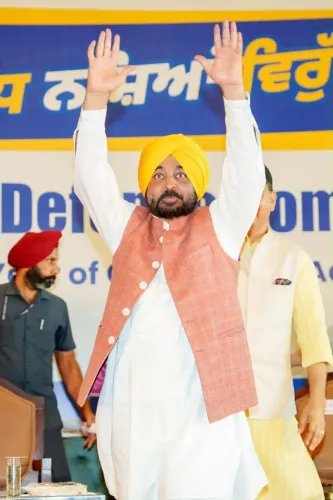
The move is part of CM Bhagwant Singh Mann's flagship Yudh Nashian Virudh anti-drug campaign.
Actual operationalisation depends on timely recruitment of the 385 sanctioned posts.
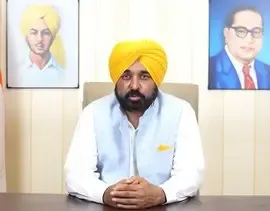
Punjab just bet ₹75 crore and 385 new judicial posts on a single proposition: that faster trials are the sharpest weapon in a drug war. The Punjab Cabinet, chaired by Chief Minister Bhagwant Singh Mann, approved the creation of 35 Exclusive Special NDPS Courts across the state on Sunday, 1 November 2026 — a sweeping judicial infrastructure push aimed at cutting through years of accumulated pendency in narcotics cases.
What the Cabinet sanctioned: courts, staff, and a ₹75 crore bill
The decision, taken at a meeting of the Council of Ministers, is specific and staffed to the last post. Each of the 35 new NDPS courts will be anchored by an Additional District and Sessions Judge, backed by a pool of 315 support staff and 35 Assistant District Attorneys — one prosecutorial officer per court. The total sanctioned expenditure, covering both infrastructure and recurring costs, stands at approximately ₹75 crore.
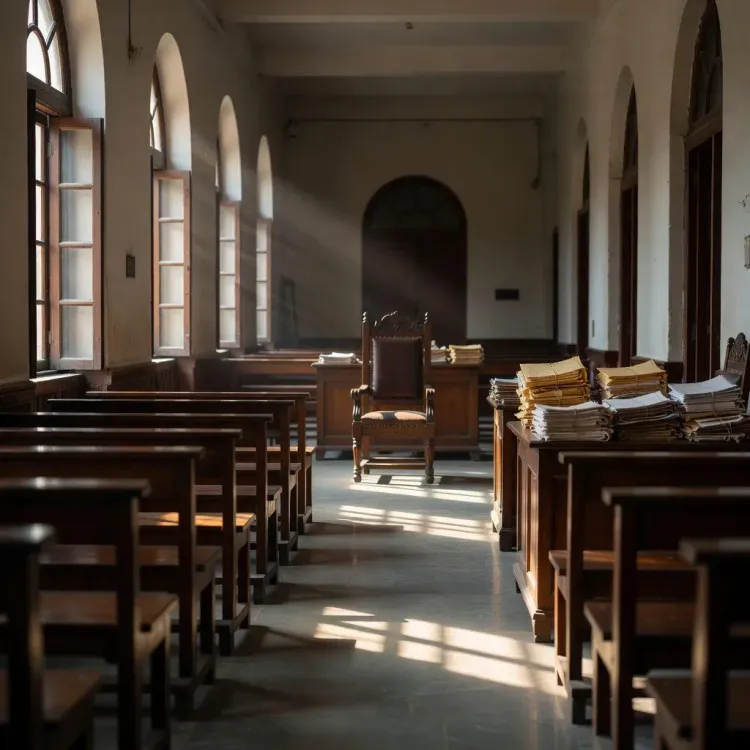
The courts will operate exclusively under the Narcotic Drugs and Psychotropic Substances Act, 1985 — the central legislation that defines drug offences, mandates minimum sentences, and explicitly provides for the creation of special trial courts to handle caseloads that overwhelm ordinary sessions courts. Dedicating benches solely to NDPS matters is a proven mechanism to prevent narcotics cases from languishing behind a general docket of civil and criminal work.
'Yudh Nashian Virudh' — the campaign these courts are meant to sharpen
The Cabinet decision arrives under the banner of Yudh Nashian Virudh (ਯੁੱਧ ਨਸ਼ਿਆਂ ਵਿਰੁੱਧ — 'War Against Drugs'), the Mann government's flagship anti-narcotics campaign that has framed state policy since the Aam Aadmi Party came to power in 2022. Punjab's drug problem is not a new crisis — successive administrations since the 1980s have launched enforcement drives and stood up special courts — but judicial pendency has persistently blunted the deterrent effect of arrests. A dealer or trafficker who knows their trial will take a decade calculates risk very differently from one facing a dedicated, fast-track bench.
By establishing 35 courts simultaneously, the government is attempting to create statewide coverage rather than concentrating capacity in a handful of high-caseload districts. Whether that coverage translates into faster verdicts will depend on how quickly the 385 sanctioned posts are actually filled — recruitment and operationalisation timelines will be the real test of intent.
What comes next: from sanction to gavel
The hard work begins now. Infrastructure must be built or requisitioned, judges posted, support staff recruited, and district attorneys assigned before a single additional NDPS hearing can be scheduled. Drug-affected communities across Punjab — and the state judiciary that will absorb these new benches — will be watching whether the Cabinet's Sunday announcement translates into functional courtrooms within a credible timeframe. Political will has been declared; administrative delivery is the next act.
Point of View
The ₹75 crore outlay also serves a political function: it quantifies commitment ahead of continued public scrutiny over Punjab's drug crisis. The real policy test, however, is administrative — Punjab has a history of announcing special courts without fully operationalising them, and the pace of filling 385 posts will define whether this Cabinet decision becomes a meaningful tool or another entry in a long list of well-intentioned announcements.
NationPress
1 Nov 2026
Frequently Asked Questions
How many NDPS courts has Punjab approved in 2026?
The Punjab Cabinet approved 35 Exclusive Special NDPS Courts across the state on 1 November 2026 , along with 385 supporting posts and a ₹75 crore outlay.
What is the NDPS Act and why are special courts needed?
The Narcotic Drugs and Psychotropic Substances Act, 1985 governs drug offences in India and explicitly provides for special courts to handle narcotics cases. Dedicated NDPS courts prevent drug cases from being delayed by the general backlog of other criminal and civil matters.
What posts have been sanctioned along with the new NDPS courts?
385 posts have been approved: 35 Additional District and Sessions Judges (one per court), 315 support staff members , and 35 Assistant District Attorneys .
What is Yudh Nashian Virudh?
Yudh Nashian Virudh — meaning 'War Against Drugs' in Punjabi — is the flagship anti-narcotics campaign of Chief Minister Bhagwant Singh Mann's government, launched after the Aam Aadmi Party came to power in Punjab in 2022.
How much money has Punjab sanctioned for the new NDPS courts?
An estimated expenditure of approximately ₹75 crore has been sanctioned, which includes infrastructure costs for the 35 new exclusive NDPS courts.