What is Punjab Doing to Rescue Child Beggars and Verify Parentage?
Synopsis
In a groundbreaking initiative, Punjab has begun DNA testing for children found begging with adults to confirm parentage. This year, 807 children have been rescued and provided rehabilitation, highlighting the government's commitment to eradicating child begging and trafficking.
Key Takeaways
Punjab’s initiative for child welfare includes DNA testing for parentage verification.
Over 807 children have been rescued from begging this year.
The Jeevanjyot campaign focuses on rehabilitation and education.
Strict legal actions will follow against those exploiting children.
Community involvement is crucial in addressing child begging.
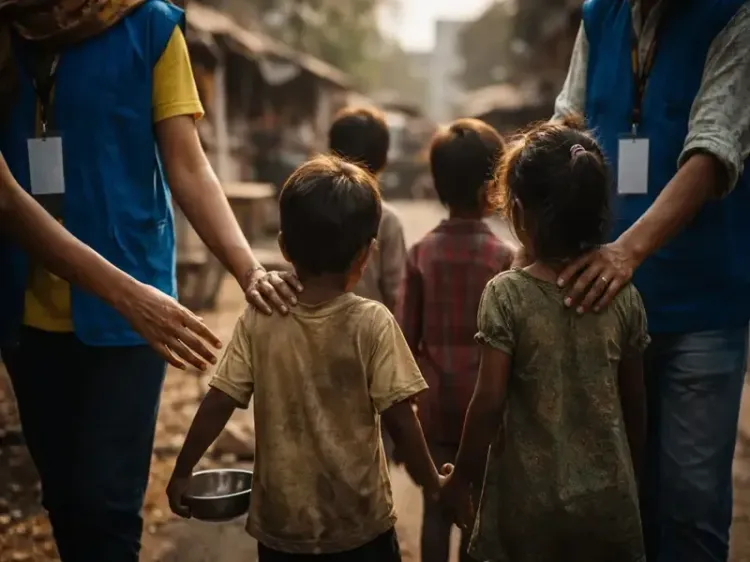
Chandigarh, Dec 29 (NationPress) In an unprecedented move, the state of Punjab has introduced a policy where if a child is discovered begging alongside an adult, a DNA test will be performed to ascertain if the adult is indeed the biological parent. This year, a total of 807 children involved in begging have been rescued, and the state government has commenced efforts for their rehabilitation.
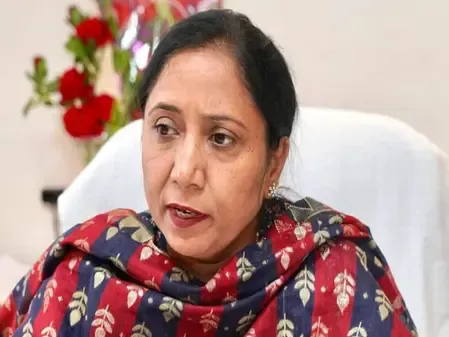
The Minister for Social Security, Women and Child Development, Baljit Kaur, stated that the initiative, part of the Jeevanjyot campaign, goes beyond mere rescue operations. It aims to remove children from the streets and enroll them in educational institutions to secure a brighter future for them.
Upon rescue, priority is given to health assessments, counseling, educational assistance, and family rehabilitation to prevent any child from returning to begging, she added.
Emphasizing the government’s commitment to eliminating child begging, Kaur mentioned that the Jeevanjyot project has been established, which includes special enforcement actions conducted monthly across all districts.
To further enhance the initiative, Project Jeevanjyot 2.0 has been launched to tackle child trafficking and identify individuals exploiting children for begging.
Kaur also highlighted the government's goal to eradicate the societal issue of child marriage, with 64 instances of child marriages prevented this year, supported by 2,076 designated Child Marriage Prohibition Officers statewide. She warned that any individuals or groups involved in child begging or trafficking would face severe legal consequences.
The state government has mandated DNA testing in cases where there is doubt about the adult's relationship to the child. “DNA tests will be conducted with the approval of the Deputy Commissioner, and during the 15-20 day reporting period, children will be safely housed in Bal Ghar. If reports confirm the adults are not biological parents, strict legal action will follow, including charges under anti-trafficking and child protection laws,” she explained.
Furthermore, an FIR has been filed in Bathinda, where 20 children were rescued from villages suspected of exploitation for begging. More than 150 of the rescued children were from other states and have been safely returned to their families. Kaur noted that over 180 children have been admitted to schools, while those under six years old were enrolled in Anganwadi centers for early childhood education.
This mission was initiated in September 2024, and since then, rescue teams have formed district-level committees to identify and rescue children found begging throughout the state.
Despite these initiatives, 57 children have reportedly gone missing again from the schools or homes they were placed in, the minister remarked.
Project Jeevanjyot 2.0 integrates the provisions of the Beggary Act, the Juvenile Justice (Care and Protection of Children) Act, directives from the Supreme Court and High Court, and special operating procedures issued by the Punjab State Child Protection Commission.
In a call to action, the minister urged the public to assist the government in the fight against child begging, advising that if any child is seen begging, they should refrain from giving alms and instead report to the Child Helpline at 1098 to help every child connect with education and a dignified life.
Point of View
It's imperative to recognize the significance of Punjab's initiative to rescue child beggars. This proactive approach not only addresses child begging but also aims to eliminate child trafficking and marriage. It's a commendable step that underscores the need for societal involvement in safeguarding children's rights.
NationPress
26 Sept 2026
Frequently Asked Questions
How many children have been rescued in Punjab this year?
A total of 807 children involved in begging have been rescued in Punjab this year.
What is the purpose of the DNA tests being conducted?
The DNA tests are conducted to determine if the adult accompanying a child found begging is their biological parent.
What measures are being taken for the rehabilitation of rescued children?
Rescued children receive health check-ups, counseling, educational support, and family rehabilitation to ensure they do not return to begging.
What is Project Jeevanjyot 2.0?
Project Jeevanjyot 2.0 aims to curb child trafficking and identify those exploiting children for begging.
How can the public help in this initiative?
The public can report instances of child begging by contacting the Child Helpline number 1098, rather than giving alms.