CM Bhagwant Mann transfers ₹1,291 cr to 37 lakh Punjab women
Synopsis
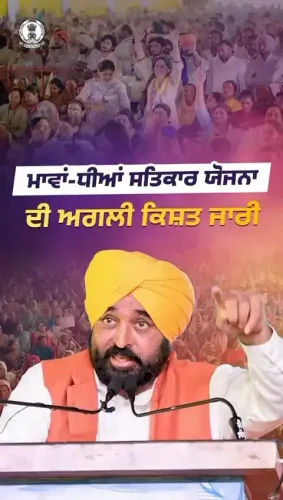
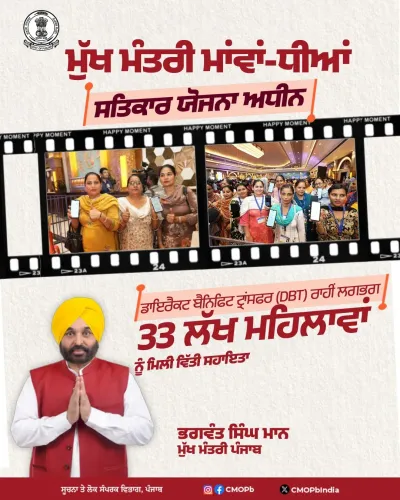
Punjab CM Bhagwant Mann disbursed ₹1,291 crore in Sanman Rashi to over 37.43 lakh women at an Abohar rally on 2 November 2026, announcing all registered beneficiaries under the Mukh Mantri Mawan-Dheeyan Satkar Yojna will receive payments together on 1 January as a New Year gift, with 80 lakh of a one-crore enrolment target already completed.
Key Takeaways
₹1,291 crore in Sanman Rashi disbursed directly to more than 37.43 lakh women beneficiaries in Punjab on 2 November 2026.
The scheme is the Mukh Mantri Mawan-Dheeyan Satkar Yojna , aimed at women's financial independence and self-respect.
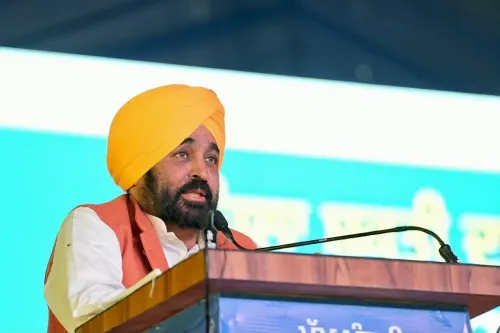
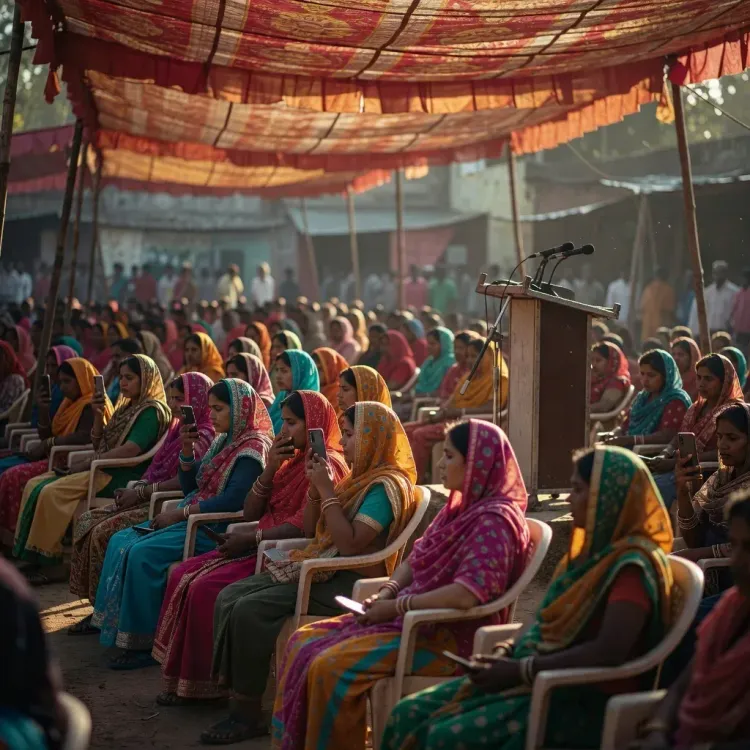
CM Bhagwant Mann made the announcement at a large gathering in Abohar , Fazilka district.
Nearly 80 lakh registrations have been completed against a target of one crore women beneficiaries.
All registered beneficiaries will receive their payment together on 1 January 2027 as a New Year gift.
Mann linked the scheme to a broader welfare package including ₹10 lakh health insurance coverage and investments in schools, hospitals, roads and canals.
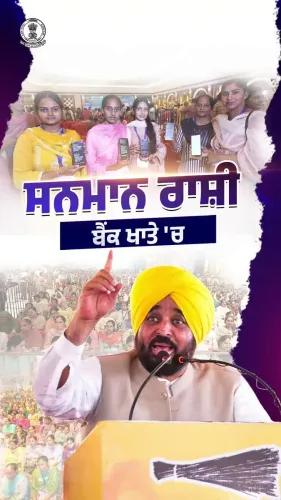
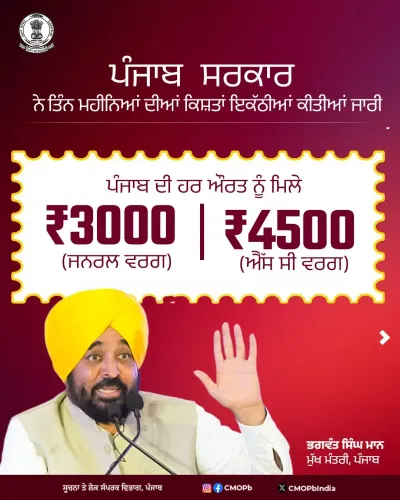
Across Punjab, more than 37.43 lakh women felt their phones buzz on Monday, 2 November 2026 — an SMS alert confirming that money had arrived, directly, in their bank accounts. The Chief Minister's Office of Punjab announced that ₹1,291 crore in Sanman Rashi (dignity payment) had been disbursed under the Mukh Mantri Mawan-Dheeyan Satkar Yojna, a direct-benefit-transfer scheme designed to put cash in women's hands, no middlemen required.
A gathering in Abohar, a promise of one crore women
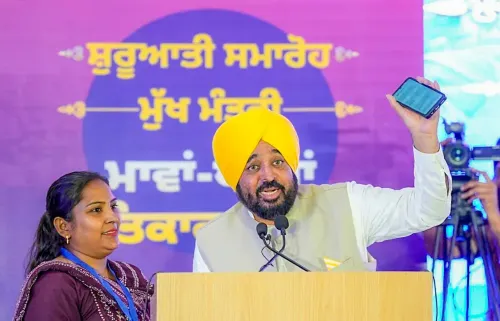
Chief Minister Bhagwant Mann made the announcement at a large public rally in Abohar, a town in Fazilka district in south-west Punjab. He told the crowd that the scheme's ultimate ambition is to bring one crore women under its coverage — and that the effort is already 80 lakh registrations strong. The gap between current enrolment and the one-crore target means the government is still in active mobilisation mode, and the numbers will keep climbing.
Mann framed the initiative not merely as a welfare transfer but as a 'samajik kranti' — a social revolution. 'This is about women's financial independence and self-respect,' he said, describing the scheme as part of a broader compact his government has made with Punjab's citizens.
January 1 payout: all registered women, one single day
The most consequential announcement from Abohar was the payment calendar. All registered beneficiaries — regardless of when they enrolled — will receive their disbursement together on 1 January 2027, framed explicitly as a New Year gift. The single-day coordinated transfer is a deliberate political and logistical signal: it maximises visibility, creates a shared moment of receipt, and keeps the pressure on the registration drive to add as many women as possible before the cut-off.
Where the scheme fits in Mann's wider welfare architecture
At the rally, Mann reiterated a recurring argument his government has made since coming to power in 2022: that public money is being 'returned' to citizens through tangible services — schools, hospitals, roads, canals — and now through direct cash. He specifically cited ₹10 lakh health insurance coverage as part of the same package of commitments. The Aam Aadmi Party government in Punjab has leaned heavily into direct-benefit programmes alongside public infrastructure investment as its signature governance model, mirroring approaches tested in Delhi under the same party.
India's states have increasingly competed on exactly this terrain — direct cash to women as a tool of both financial inclusion and electoral messaging. Punjab's Mukh Mantri Mawan-Dheeyan Satkar Yojna joins a crowded field of state-level women's DBT schemes, but the scale of the ₹1,291 crore single-day transfer and the one-crore enrolment target give it significant heft.
What comes next: closing the 20-lakh gap
With 80 lakh registrations logged against a one-crore target, the government needs roughly 20 lakh more women to sign up before the 1 January consolidated payout. The race is on — and the SMS buzz that reached 37.43 lakh phones on Monday morning may be the most effective advertisement the scheme has.
For a state where women's workforce participation and financial autonomy remain live policy challenges, the test is whether the transfers translate into lasting economic agency — or remain a powerful, periodic gesture. Either way, the phones have already rung.
Point of View
Visible benefit delivery that bypasses bureaucratic intermediaries and creates a personal relationship between the state and the citizen. Framing the 1 January payout as a 'New Year gift' is a deliberate narrative move: it personalises fiscal policy and maximises political salience at a high-attention moment. The scheme also reflects a national pattern where state governments have made women-targeted DBT programmes a central battleground for voter trust, forcing competitors to match or top the offer. Whether Punjab can close the 20-lakh registration gap before January will be the operational test of the government's delivery machinery — and the clearest signal yet of how deep the scheme's reach truly goes.
NationPress
2 Nov 2026
Frequently Asked Questions
What is the Mukh Mantri Mawan-Dheeyan Satkar Yojna?
The Mukh Mantri Mawan-Dheeyan Satkar Yojna is a Punjab state government scheme that provides direct cash transfers — called Sanman Rashi or dignity payment — to women beneficiaries to promote their financial independence and self-respect. It was announced by Chief Minister Bhagwant Mann's AAP government.
How much money has been transferred under the scheme so far?
As announced on 2 November 2026, ₹1,291 crore has been transferred directly into the bank accounts of more than 37.43 lakh women beneficiaries in Punjab under the scheme.
When will all registered women get the payment?
CM Bhagwant Mann announced at the Abohar rally that all registered beneficiaries will receive their Sanman Rashi payments together on 1 January 2027, framed as a New Year gift to the women of Punjab.
How many women have registered for the scheme?
Nearly 80 lakh women have already registered for the Mukh Mantri Mawan-Dheeyan Satkar Yojna. The government's stated target is to bring one crore women under the scheme's coverage, leaving roughly 20 lakh registrations still to be added.
Where did Bhagwant Mann announce the transfer?
Chief Minister Bhagwant Mann announced the ₹1,291 crore disbursement at a large public gathering in Abohar, a town in Fazilka district in south-west Punjab, on 2 November 2026.