Punjab CM Office transfers 3-month Satikar Yojana funds to women
Synopsis
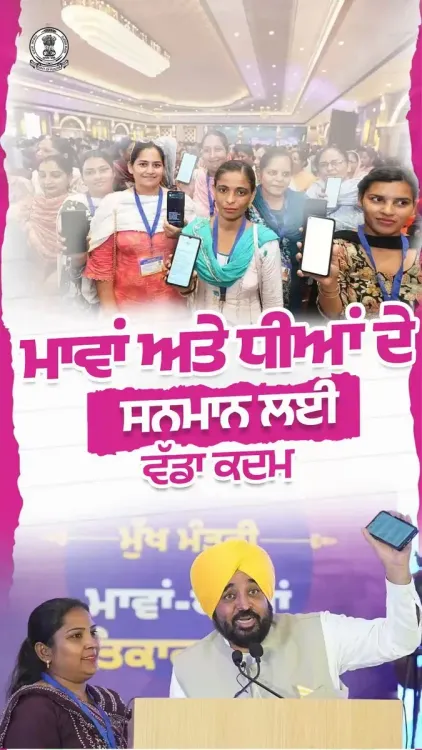
The Chief Minister's Office of Punjab announced a direct transfer of three months' Satikar Yojana funds — Rs 3,000 per eligible woman and Rs 4,500 for Scheduled Caste women — into beneficiaries' bank accounts under the Mukh Mantri Mawan-Dhian Satikar Yojana.
Key Takeaways
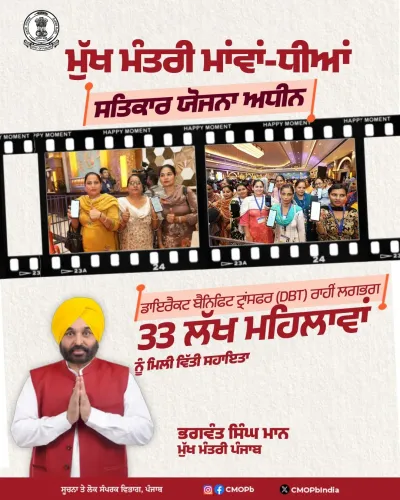
Three months of financial assistance under the Mukh Mantri Mawan-Dhian Satikar Yojana has been directly credited to eligible women's bank accounts in Punjab .
Each eligible woman received Rs 3,000 as a consolidated three-month payment (Rs 1,000 per month).
Eligible women from Scheduled Caste communities received Rs 4,500 — a 50 per cent premium over the general category amount.
The scheme is a direct benefit transfer programme, eliminating intermediaries in welfare delivery.
The announcement was made by the official Chief Minister's Office of Punjab account on 5 July 2026 .
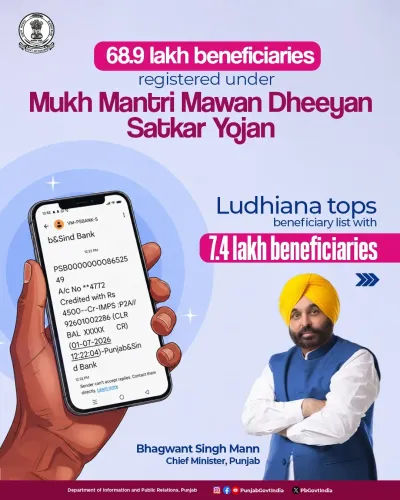
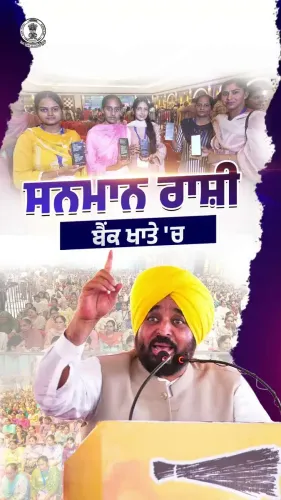
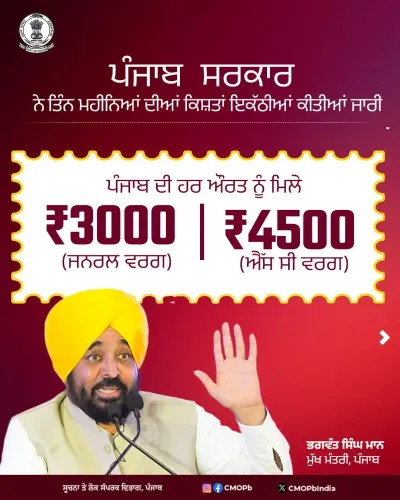
The Chief Minister's Office of Punjab announced on Sunday, 5 July 2026 that three months' worth of financial assistance under the Mukh Mantri Mawan-Dhian Satikar Yojana has been directly transferred into the bank accounts of eligible women beneficiaries across the state. Each eligible woman received Rs 3,000, while eligible women belonging to Scheduled Castes received Rs 4,500 — a 50 per cent premium reflecting the scheme's affirmative action component.
Context
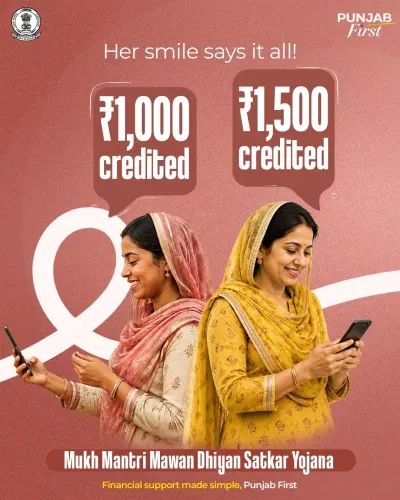
The post, shared from the official CMO Punjab account, states in Punjabi: 'ਹਰ ਔਰਤ ਨੂੰ 3,000 ਰੁਪਏ ਅਤੇ ਅਨੁਸੂਚਿਤ ਜਾਤੀ ਨਾਲ ਸੰਬੰਧਿਤ ਹਰ ਯੋਗ ਔਰਤ ਨੂੰ 4,500 ਰੁਪਏ ਜਮ੍ਹਾਂ ਕਰਵਾਏ ਗਏ ਹਨ' — meaning 'Rs 3,000 has been credited to every woman, and Rs 4,500 to every eligible woman belonging to Scheduled Castes.' The transfer covers a consolidated three-month instalment, meaning the per-month benefit works out to Rs 1,000 for general category women and Rs 1,500 for SC women.
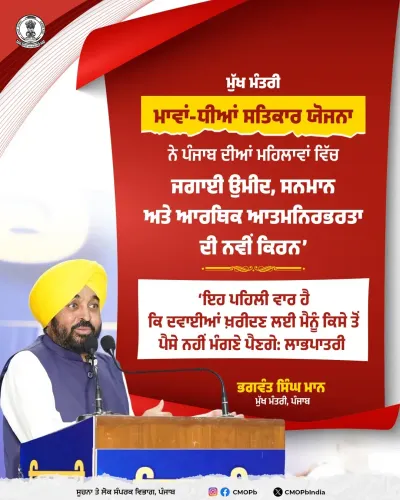
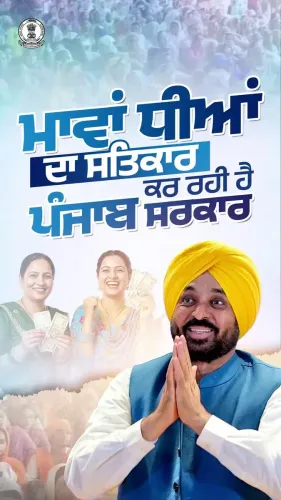
The Mukh Mantri Mawan-Dhian Satikar Yojana — translated as the 'Chief Minister's Mothers-Daughters Respect Scheme' — is a direct benefit transfer programme run by the Punjab government to provide regular financial assistance to eligible women, with a structured premium for Scheduled Caste beneficiaries.
Policy Backdrop
The scheme is part of a broader wave of women-centric direct cash transfer initiatives introduced by the Punjab government following the 2022 state assembly elections. Chief Minister Bhagwant Mann, in office since March 2022, has positioned direct benefit transfers as a key pillar of the administration's social welfare agenda, emphasising financial inclusion and reduction of leakages in welfare delivery.
Punjab's differentiated payout structure — offering higher amounts to SC beneficiaries — mirrors affirmative action patterns adopted in several other state-level schemes across India. The approach aligns with the national push for DBT infrastructure to ensure targeted, verifiable assistance reaches intended recipients without intermediaries.
Stakeholders and Impact
The primary beneficiaries are eligible women across Punjab, with Scheduled Caste women receiving a higher payout that acknowledges intersecting disadvantages of gender and caste. Direct bank transfers ensure that funds reach beneficiaries without delays or deductions, a consistent concern in earlier cash-in-hand welfare models.
The consolidated three-month disbursement in a single transaction also reduces administrative overhead and provides beneficiaries with a larger lump sum — which can be more useful for household expenditure planning than smaller monthly credits.
What's Next
Observers and welfare advocates will watch Punjab's upcoming budget sessions for updated allocations to the scheme and any announcements on eligibility expansion or linkage with central government welfare programmes. The frequency and regularity of future disbursements will be a key indicator of the scheme's fiscal sustainability and administrative capacity.
Point of View
Who form a substantial share of Punjab's electorate. More broadly, the Satikar Yojana fits into a competitive landscape of women-directed cash transfers across Indian states, where such schemes have become electoral touchstones. The real test will be whether disbursements regularise or remain episodic.
NationPress
5 Oct 2026
Frequently Asked Questions
What is the Mukh Mantri Mawan-Dhian Satikar Yojana?
It is a Punjab government welfare scheme that provides direct financial assistance to eligible women, with a higher payout for women belonging to Scheduled Caste communities. The scheme's name translates to 'Chief Minister's Mothers-Daughters Respect Scheme.'
How much money was transferred under the Satikar Yojana in July 2026?
Three months' worth of assistance was transferred in one go: Rs 3,000 per eligible woman and Rs 4,500 per eligible woman from a Scheduled Caste background.
Who is eligible for the Mukh Mantri Mawan-Dhian Satikar Yojana?
The scheme targets eligible women in Punjab, with a separate and higher benefit amount for women belonging to Scheduled Caste communities. Specific eligibility criteria are defined by the Punjab government.
Why did SC women receive more money than other women under the scheme?
The Punjab government has structured a 50 per cent premium for Scheduled Caste women — Rs 4,500 versus Rs 3,000 — as an affirmative action measure that acknowledges the intersecting disadvantages of gender and caste.
Is the Satikar Yojana a central or state government scheme?
It is a state government scheme run by the Punjab government under Chief Minister Bhagwant Mann's administration, delivered through the direct benefit transfer infrastructure.