Punjab solar streetlights: 3 lakh LED units for villages at ₹470 crore
Synopsis
Punjab is flipping the funding model on rural solar lighting — the state will now bear 70% of a ₹470 crore project to install 3 lakh LED streetlights across every village in all 23 districts, reversing a burden that had long squeezed cash-strapped gram panchayats. With 173 lakh rural residents and dark streets linked to accidents and crime, this is one of the state's most ambitious clean-energy pushes yet.
Key Takeaways
Punjab will install 3 lakh LED-based solar streetlights across all villages at a cost of ₹470 crore .
The state government will fund 70% of project costs; gram panchayats will contribute 30% — a reversal of the earlier 30:70 ratio.
PEDA (Punjab Energy Development Agency) will serve as the nodal implementation agency across all 23 districts .
Maintenance support period extended from 5 years to 7 years ; malfunctions to be repaired within 72 hours via automated AMC alerts.
Approximately 173.20 lakh people — 62.51% of Punjab's population — live in rural areas where dark streets pose safety risks.
Site selection will prioritise schools, Anganwadi centres, health facilities, and densely populated public spaces.
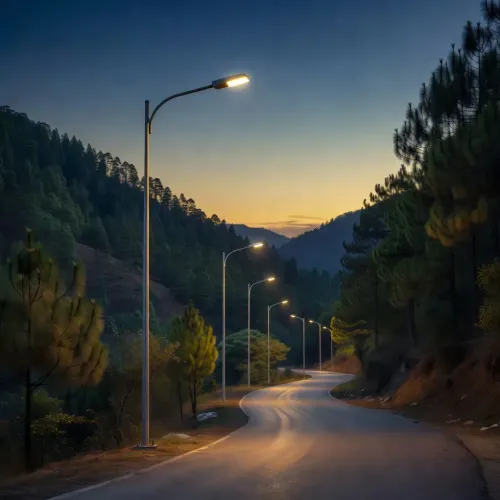
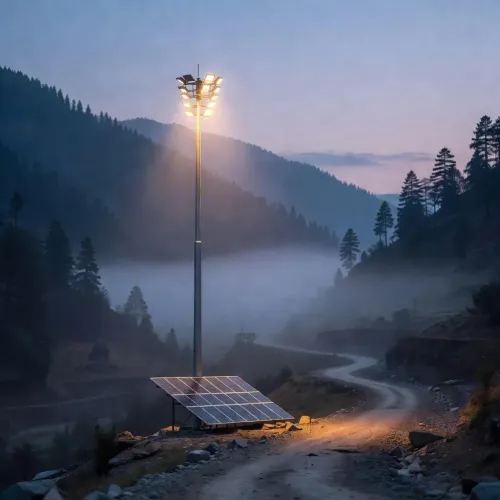
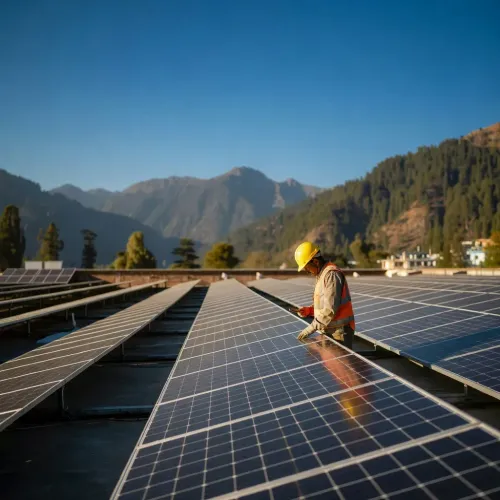
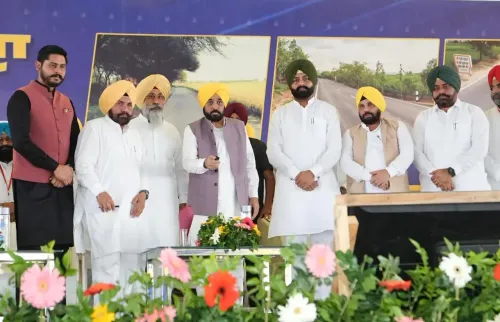
Punjab is set to install three lakh LED-based solar streetlights across every village in the state at a total outlay of ₹470 crore, Minister for New and Renewable Energy Sources Aman Arora announced on Wednesday, 12 August. The initiative, covering all 23 districts, is aimed at improving safety, connectivity, and clean energy access in rural Punjab.
Revised Cost-Sharing Model
Under the restructured financing arrangement, the Bhagwant Mann-led state government will shoulder 70 per cent of the project cost, with gram panchayats contributing the remaining 30 per cent. This marks a significant reversal from the earlier 30:70 ratio, which placed the bulk of financial responsibility on village bodies.
'This is a big shift from the earlier 30:70 ratio that put an excessive financial burden on village bodies. The decision was taken considering the limited financial resources at the panchayat level and to ensure equal opportunity for all panchayats to participate in the programme,' Arora said.
Why Rural Lighting Matters in Punjab
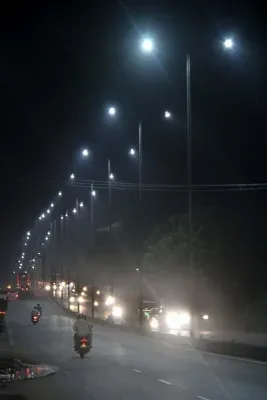
Approximately 173.20 lakh people — representing 62.51 per cent of Punjab's total population — live in rural areas. According to the Minister, unlit streets in these regions elevate risks of road accidents and crime, making the streetlight rollout a public safety imperative as much as an infrastructure project.
Implementation and Oversight
The Punjab Energy Development Agency (PEDA) will serve as the nodal agency, overseeing both fresh installations and the repair and renewal of existing solar streetlight systems. Based on feedback from panchayats, the maintenance support period has been extended from five years to seven years to ensure long-term operational reliability.
The programme incorporates several accountability measures: geo-tagging and unique identification of each unit, QR code and IVRS-based grievance redressal, and remote monitoring systems. Automated annual maintenance contract (AMC) alerts will ensure malfunctions are repaired within 72 hours.
Site Selection and Inclusive Approach
Site selection will prioritise public spaces — including village phirnis, schools, Anganwadi centres, government health facilities, religious institutions, and densely populated areas — to ensure that lighting benefits reach the most vulnerable sections of rural communities first.
With the state bearing the larger share of costs and PEDA driving execution, the programme positions itself as one of Punjab's most comprehensive rural clean-energy deployments to date. The next milestone will be the commencement of installations across all 23 districts under PEDA's supervision.
Point of View
Not just the headline unit count. Punjab's gram panchayats have historically struggled to raise even modest matching contributions, which meant solar lighting schemes stalled in the poorest villages that needed them most. By absorbing the larger share, the state removes the single biggest barrier to participation. The 72-hour repair SLA and seven-year maintenance window also address the graveyard of broken solar installations that litter rural India — projects that looked good at inauguration and were dysfunctional within two years. Whether PEDA has the on-ground capacity to enforce those SLAs across 23 districts is the accountability question that will determine whether this scheme delivers or becomes another headline number.
NationPress
27 Sept 2026
Frequently Asked Questions
What is Punjab's 3 lakh solar streetlight scheme?
It is a state government initiative to install three lakh LED-based solar streetlights across every village in Punjab at a total outlay of ₹470 crore. The project covers all 23 districts and is aimed at improving rural safety, connectivity, and clean energy access.
How will the project cost be shared between the state and panchayats?
The Punjab government will contribute 70% of the project cost, while gram panchayats will bear the remaining 30%. This reverses the earlier 30:70 ratio, which placed a heavier financial burden on village bodies with limited resources.
Which agency will implement the Punjab solar streetlight project?
The Punjab Energy Development Agency (PEDA) will serve as the nodal agency, overseeing fresh installations as well as repair and renewal of existing solar streetlight systems across all 23 districts.
How long will maintenance support last under the scheme?
The maintenance support period has been extended from five years to seven years, based on feedback from panchayats. Automated AMC alerts will ensure any malfunction is repaired within 72 hours.
Which locations will be prioritised for streetlight installation?
Site selection will prioritise village phirnis, schools, Anganwadi centres, government health facilities, religious institutions, and densely populated areas, ensuring that benefits reach the most vulnerable rural communities first.