Puri Flags Sonbhadra in Multi-Agency Energy Signal
Synopsis
Union Petroleum Minister Hardeep Singh Puri on 20 June 2026 tagged the PMO, NITI Aayog, the UP Government, and his own ministry in a post flagging Sonbhadra, pointing to coordinated inter-governmental activity around the mineral-rich southeastern UP district's energy infrastructure.
Key Takeaways
Union Petroleum Minister Hardeep Singh Puri posted on 20 June 2026 tagging PMO India , NITI Aayog , PIB India , MIB India , and the UP Government .
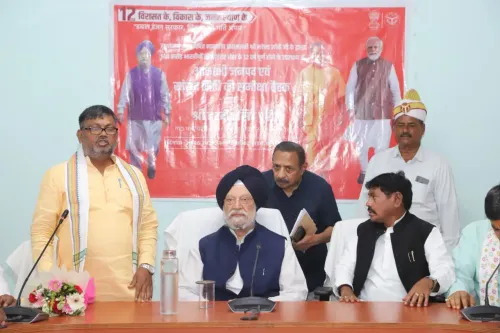
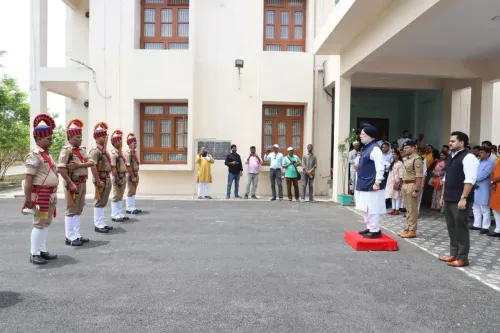
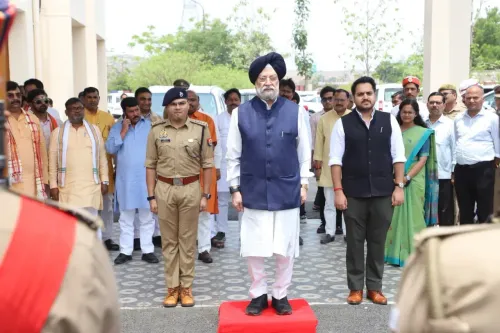
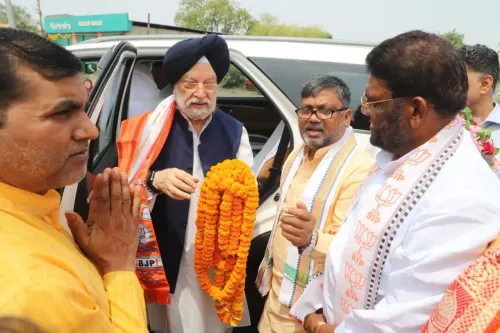
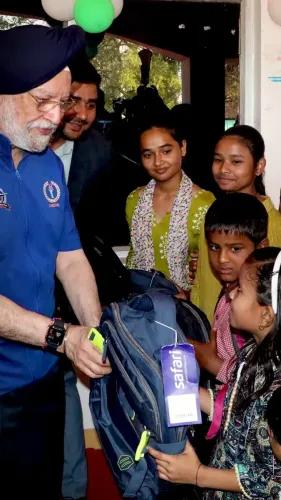
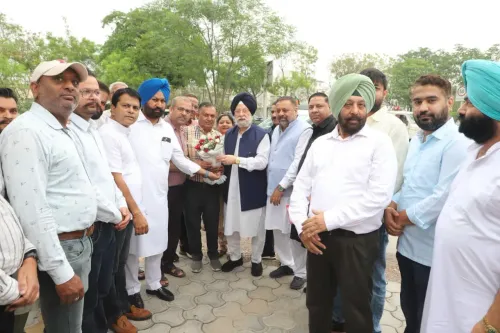
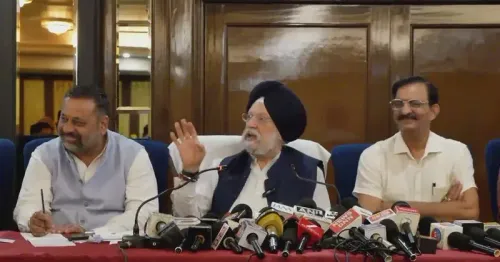
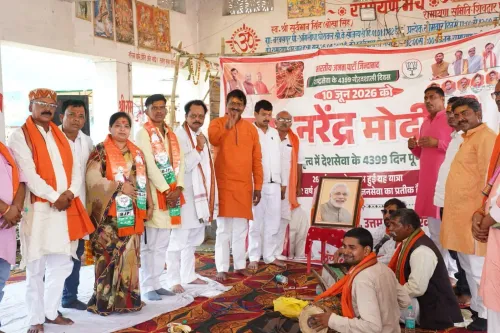
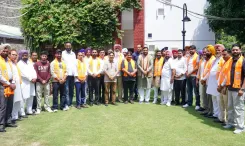
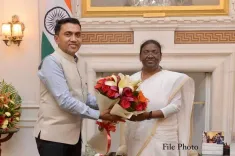
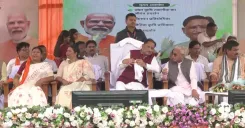
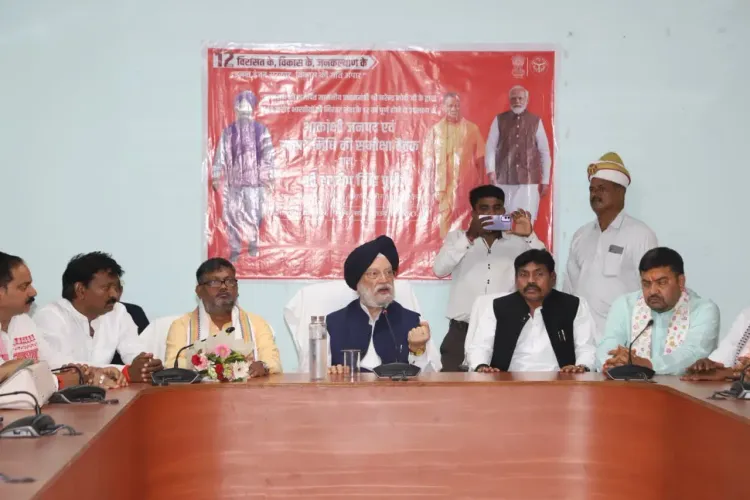
The post carried the hashtag #Sonbhadra and was accompanied by four images .
Sonbhadra is a coal and energy-resource-rich district in southeastern Uttar Pradesh .
NITI Aayog 's inclusion signals planning-level engagement beyond routine ministry communication.
The Pradhan Mantri Ujjwala Yojana (launched 2016 ) identified Uttar Pradesh districts including Sonbhadra as priority zones for LPG expansion.
No specific project name or financial figure was stated in the visible text of the post; a formal announcement is anticipated.
Union Petroleum Minister Hardeep Singh Puri on Saturday, 20 June 2026, tagged a cluster of central and state government handles — including the PMO India, NITI Aayog, the Uttar Pradesh Government, and his own Ministry of Petroleum and Natural Gas — in a post carrying the hashtag #Sonbhadra, signalling inter-governmental attention on the mineral-rich southeastern Uttar Pradesh district.
Context
Sonbhadra is one of Uttar Pradesh's most resource-intensive districts, hosting large coal reserves and a significant concentration of power-generation assets. Its strategic position in the energy supply chain has made it a recurring focal point for both central and state-level infrastructure planning. The simultaneous tagging of BJP4India, BJP4UP, and BJPLive alongside policy bodies such as NITI Aayog and the PIB suggests the post straddles both administrative coordination and political communication.
The post accompanied four images, the contents of which are consistent with on-ground project or event documentation, a format Minister Puri has used previously to mark infrastructure milestones. No specific project title or financial figure was stated in the visible text of the post.
Policy Backdrop
Central governments have consistently sought to integrate mineral-rich districts of northern and eastern India into the national petroleum and gas supply network. NITI Aayog, the government's apex policy think tank, has contributed to long-term energy roadmaps that link resource districts such as Sonbhadra with downstream supply chains.
The Pradhan Mantri Ujjwala Yojana, launched in 2016, was a landmark effort to expand LPG access across Uttar Pradesh and other states, with districts like Sonbhadra — characterised by large below-poverty-line populations — identified as priority zones. Successive administrations have built on that foundation through pipeline expansion and last-mile connectivity drives.
The tagging of the Uttar Pradesh Government handle alongside central ministries is consistent with the cooperative federalism model that governs land acquisition, right-of-way clearances, and local implementation of centrally sponsored energy projects.
Stakeholders and Impact
Energy consumers across Sonbhadra and neighbouring mining districts in southeastern Uttar Pradesh stand to be the most direct beneficiaries of any infrastructure push in the region. Industrial units dependent on petroleum feedstocks and households awaiting piped or bottled gas connections represent the two broad segments watching developments closely.
The involvement of NITI Aayog in the signalling chain points to a planning-level conversation that could shape medium-term capital allocation for the district. State agencies under the Uttar Pradesh Government would be responsible for ground-level execution, including land coordination and local regulatory clearances.
What's Next
Observers will watch for a formal announcement from the Ministry of Petroleum and Natural Gas or the Uttar Pradesh Government detailing the specific project or policy measure that the 20 June post foreshadows. The next NITI Aayog governing council meeting or a state-level review of petroleum infrastructure in eastern Uttar Pradesh could provide the formal policy backdrop. Minister Puri's multi-handle outreach suggests that any announcement is likely to be framed as a collaborative central-state achievement, reinforcing the government's broader narrative of coordinated energy development in historically underserved districts.
Point of View
NITI Aayog, and BJP party handles simultaneously is a well-worn template for pre-announcement signalling — building political visibility around infrastructure milestones before the formal press release lands. Sonbhadra's profile as a coal-heavy, historically underserved district makes it a symbolically potent backdrop for the ruling party's energy-access narrative ahead of any state-level electoral cycle. The cooperative federalism framing — central ministry plus state government plus apex think tank — also serves to distribute credit and deflect accountability across tiers of government. Analysts will treat the formal follow-up announcement as the real test of whether this signals a substantive project or a routine review dressed in multi-agency optics.
NationPress
20 Jun 2026
Frequently Asked Questions
Why did Hardeep Singh Puri tag so many government handles in his Sonbhadra post?
Minister Puri's multi-handle tagging — covering the PMO, NITI Aayog, PIB, MIB, and the UP Government — is consistent with inter-governmental signalling used ahead of infrastructure project announcements, ensuring visibility across central and state agencies simultaneously.
What is significant about Sonbhadra in the context of energy policy?
Sonbhadra is a district in southeastern Uttar Pradesh with one of the largest concentrations of coal reserves and power-generation assets in the state, making it a strategic node in India's energy supply chain and a recurring focus of central infrastructure planning.
What is the Pradhan Mantri Ujjwala Yojana and how does it relate to Sonbhadra?
The Pradhan Mantri Ujjwala Yojana, launched in 2016, aims to provide LPG connections to below-poverty-line households; Uttar Pradesh districts including Sonbhadra, with large rural and economically vulnerable populations, were identified as priority zones under the scheme.
What role does NITI Aayog play in petroleum infrastructure projects?
NITI Aayog functions as the government's apex policy think tank and contributes to long-term energy roadmaps that link resource-rich districts with national supply chains, often coordinating between central ministries and state governments on capital allocation and project prioritisation.
What announcement is expected following Puri's Sonbhadra post?
A formal statement from the Ministry of Petroleum and Natural Gas or the Uttar Pradesh Government detailing a specific project, review outcome, or policy measure related to Sonbhadra's energy infrastructure is anticipated in the near term.