CM Sai Hosts Organic Farming Workshop and Bhoomipujan in Chhattisgarh
Synopsis
Chhattisgarh Chief Minister Vishnu Deo Sai on 20 June 2026 hosted an organic farming workshop alongside a foundation-stone laying and inauguration event, advancing the state's sustainable agriculture agenda and aligning with the central government's Paramparagat Krishi Vikas Yojana for small and tribal farmers.
Key Takeaways
CM Vishnu Deo Sai presided over a combined organic farming workshop, bhoomipujan, and lokarpan programme on 20 June 2026 .
The event promotes chemical-free cultivation and agricultural infrastructure in Chhattisgarh .
The initiative aligns with the central government's Paramparagat Krishi Vikas Yojana (PKVY) , launched in 2015 .
Small and marginal farmers , including tribal communities, are the primary beneficiaries.
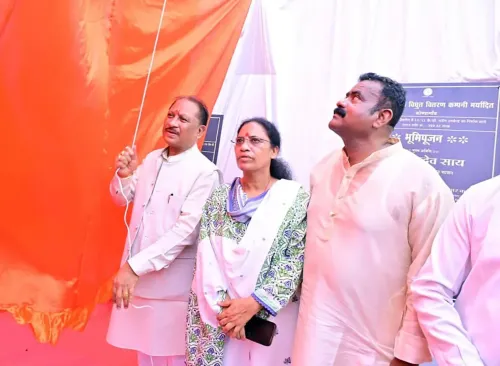
The bhoomipujan and lokarpan components signal new agricultural infrastructure being created or commissioned in the state.
Sustained budget allocation and PKVY cluster integration will determine the programme's long-term impact.
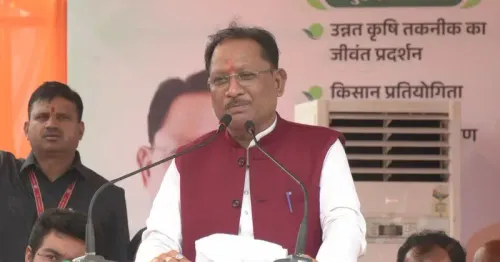
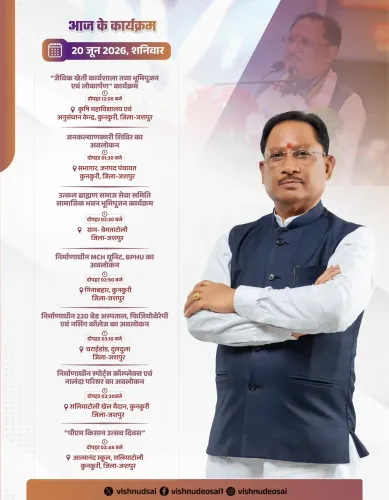
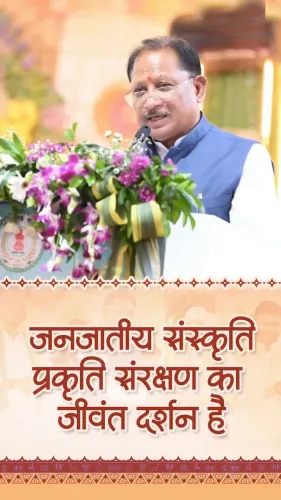
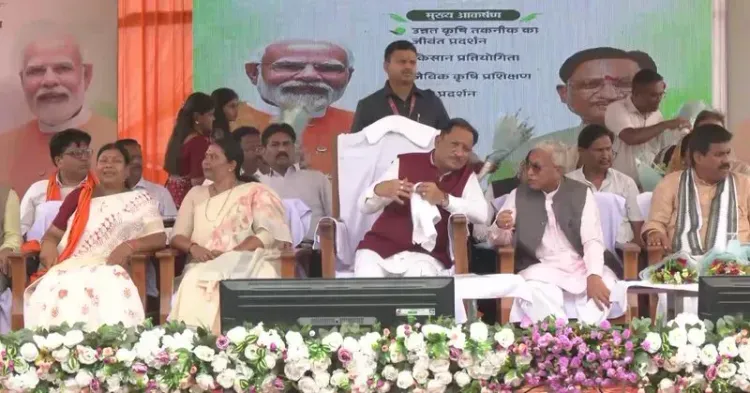
Chhattisgarh Chief Minister Vishnu Deo Sai presided over a 'Jaivik Kheti Karyashala tatha Bhoomipujan evam Lokarpan' (Organic Farming Workshop and Foundation-Stone Laying cum Inauguration) programme on Saturday, 20 June 2026, reinforcing the state government's push to expand sustainable agriculture across the state.
Context
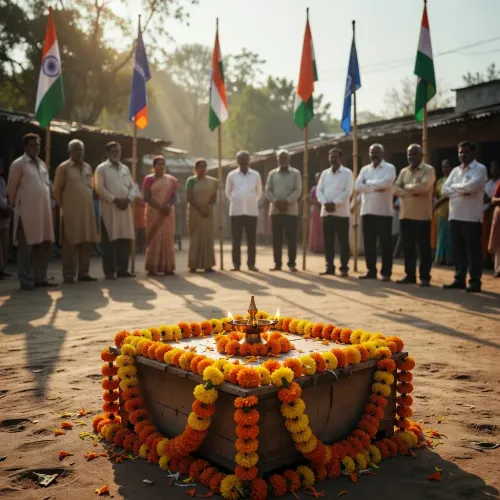
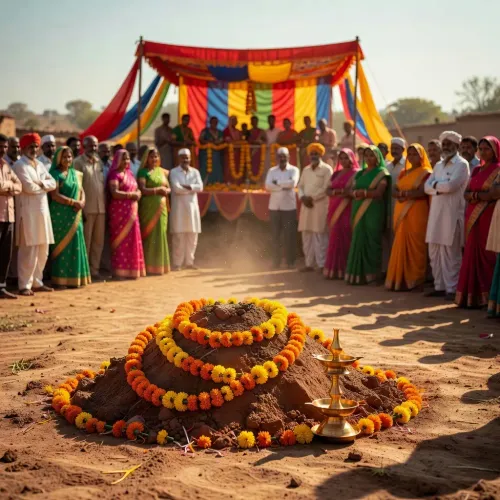
The event combined three distinct elements: an organic farming workshop aimed at educating growers on chemical-free cultivation techniques, a bhoomipujan (foundation-stone laying) for new agricultural infrastructure, and a lokarpan (public dedication) of completed facilities. Such multi-pronged events are increasingly common in Chhattisgarh, where agriculture remains the primary livelihood for a large share of the population, including a significant tribal farming community.
Chief Minister Sai, who assumed office in December 2023, has positioned sustainable and organic farming as a priority under the state's rural welfare agenda. Saturday's programme reflects that policy direction in a concrete, on-ground setting.
Policy Backdrop
The event aligns with the Paramparagat Krishi Vikas Yojana (PKVY), the Government of India's flagship scheme launched in 2015 to promote cluster-based organic farming. Under PKVY, state governments facilitate farmer groups, provide certification support, and link producers to premium markets — all of which a workshop-plus-infrastructure event directly advances.
Across India, state governments have stepped up organic farming initiatives to reduce dependence on chemical inputs, improve soil health, and improve incomes for small and marginal farmers. Chhattisgarh's initiative under the post-2023 BJP government continues this national pattern, with the added dimension of formal infrastructure creation through the bhoomipujan and lokarpan components.
Stakeholders and Impact
Small and marginal farmers stand to benefit most directly from such workshops, which typically cover topics including composting, bio-pesticide preparation, soil testing, and access to organic certification. Infrastructure inaugurated or planned at such events — storage facilities, processing units, or demonstration farms — can reduce post-harvest losses and improve market linkage.
For Chhattisgarh's tribal farming communities in particular, organic and natural farming methods often align with traditional practices, making adoption relatively accessible when supported by institutional training and market access.
What's Next
Observers will watch whether Saturday's event translates into measurable cluster formations under PKVY or fresh state budget allocations for organic farming infrastructure. Integration with central certification and market-linkage programmes will determine the long-term impact for participating farmers. The Sai government's ability to scale such workshops beyond ceremonial launches into sustained extension services will be a key indicator of its agricultural welfare commitments.
Point of View
Organic farming workshops carry both welfare and political salience. The PKVY linkage gives the state government access to central funding, but the real test will be whether these workshops feed into certified organic clusters with genuine market access, or remain one-off ceremonial events. The pattern mirrors similar initiatives in other BJP-governed states, suggesting a coordinated national-state strategy on sustainable agriculture ahead of future electoral cycles.
NationPress
20 Jun 2026
Frequently Asked Questions
What is the organic farming workshop organised by CM Vishnu Deo Sai?
It is a 'Jaivik Kheti Karyashala tatha Bhoomipujan evam Lokarpan' programme — an organic farming workshop combined with a foundation-stone laying and inauguration of agricultural facilities — held in Chhattisgarh on 20 June 2026 under Chief Minister Vishnu Deo Sai.
What is Paramparagat Krishi Vikas Yojana and how does it relate to Chhattisgarh?
The Paramparagat Krishi Vikas Yojana (PKVY) is a Government of India scheme launched in 2015 to promote cluster-based organic farming. Chhattisgarh's organic farming events, including CM Sai's June 2026 programme, align with PKVY by building farmer capacity and agricultural infrastructure.
Who benefits from Chhattisgarh's organic farming initiatives?
Small and marginal farmers, including tribal communities, are the primary beneficiaries. These groups gain access to training in chemical-free cultivation, bio-pesticide preparation, and potential linkage to premium organic markets.
What is a bhoomipujan and lokarpan in the context of this event?
A bhoomipujan is a traditional foundation-stone laying ceremony marking the start of construction, while a lokarpan is a public dedication or inauguration of a completed facility. Together they signal both new and completed agricultural infrastructure in Chhattisgarh.
What should we watch for after Chhattisgarh's organic farming workshop?
Key indicators include state budget allocations for organic farming, formation of new PKVY-linked farmer clusters, and whether participants gain access to organic certification and premium markets — all of which would confirm the event's long-term policy impact.