CM Sai Pushes Cash Crop Shift to Boost Chhattisgarh Farmers

Synopsis
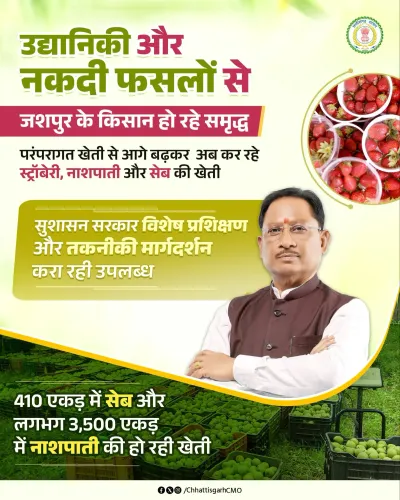
Chhattisgarh CM Vishnu Deo Sai on 10 June 2026 said farmers in the state are prospering through cash and horticultural crops, pointing to Dhamtari as an emerging makhana hub and Jashpur as a centre for apple, pear, litchi, and strawberry cultivation under the government's crop diversification drive.
Key Takeaways
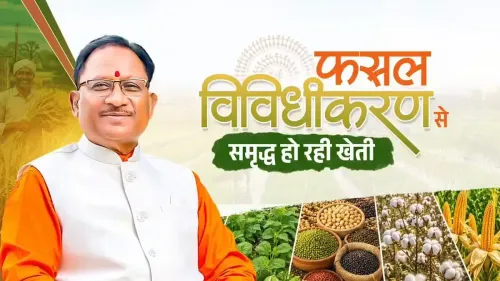
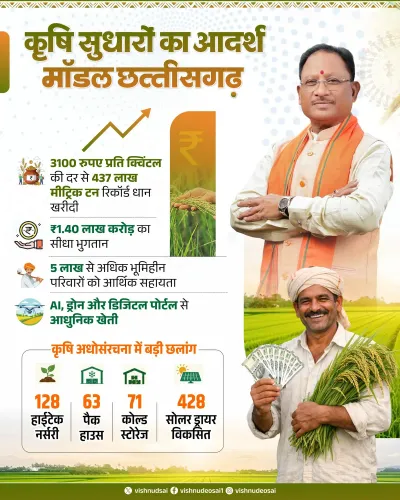
CM Vishnu Deo Sai on 10 June 2026 highlighted Chhattisgarh's agricultural diversification beyond traditional paddy cultivation.
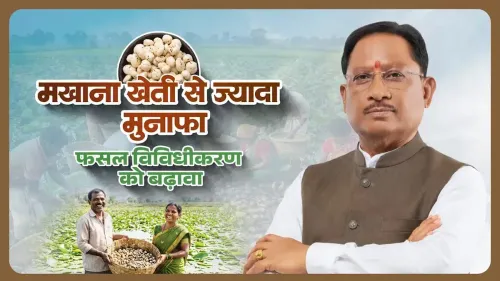
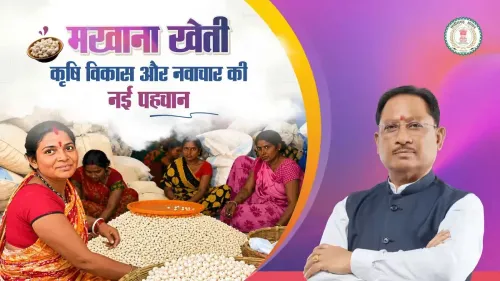
Dhamtari district is being developed as an emerging hub for makhana (fox nut) production, leveraging local wetland conditions.
Jashpur district's cooler climate is enabling cultivation of temperate fruits including apple, pear, litchi, and strawberry .
The government's approach promotes farming aligned with local weather, soil, and agro-climatic conditions.
The push draws on the central government's Mission for Integrated Development of Horticulture (MIDH) framework active since 2014 .
Sustained gains will depend on cold-chain infrastructure, market linkages, and assured procurement for small farmers.
Chhattisgarh Chief Minister Vishnu Deo Sai on Wednesday, 10 June 2026 highlighted the state government's push to diversify agriculture beyond traditional paddy, saying farmers are being encouraged to cultivate cash crops and horticultural produce suited to local agro-climatic conditions.
Context
In his post, CM Sai wrote: 'नकदी फसलों से समृद्ध हो रहे छत्तीसगढ़ के किसान' ('Chhattisgarh's farmers are prospering through cash crops'). He stated that the government is promoting farming aligned with weather, soil, and local conditions, encouraging farmers to move alongside traditional crops toward cash and horticultural varieties.
Two districts were cited as emerging examples. Dhamtari is developing as a rising centre for makhana (fox nut) cultivation, while Jashpur is seeing new opportunities through crops such as apple, pear, litchi, and strawberry.
Policy Backdrop
The BJP government in Chhattisgarh, which came to power after the 2023 assembly elections, has made crop diversification a stated priority — particularly in tribal and rainfed farming areas that have historically depended on paddy. The approach draws on the framework of the central government's Mission for Integrated Development of Horticulture (MIDH), launched in 2014, which provides funding and technical support to states for expanding fruit, vegetable, and nut cultivation.
Chhattisgarh's agro-climatic diversity — from the wetlands of its central plains to the cooler uplands of its northern districts — has made it suitable for a range of non-cereal crops that command higher market prices. Jashpur, located in northern Chhattisgarh, has a cooler climate that supports temperate fruits rarely grown in peninsular India's plains.
Stakeholders and Impact
The primary beneficiaries of this diversification push are small and marginal farmers in districts such as Dhamtari and Jashpur, who face income volatility from monsoon-dependent paddy cultivation. Horticulture and aquatic crops like makhana typically fetch higher per-unit returns than staple cereals, offering farmers new income streams.
CM Sai noted that 'visionary policies and the hard work of farmers are continuously expanding the scope of agriculture in the state,' and that promoting cash crops is creating 'new sources of income for farmers and strengthening the agricultural economy.' Broader linkages to processing units and markets would be critical to translating production gains into sustained income improvements for growers.
What's Next
The scale of progress in these districts will be clearer when the state releases district-level horticulture production data in its next economic survey. Any announcements on cluster development or market-linkage infrastructure in the 2026–27 state budget will indicate how the government plans to consolidate these early gains. Analysts and farmer groups will watch whether the diversification drive is backed by cold-chain infrastructure, assured procurement, and extension services that small cultivators need to de-risk the shift from paddy to higher-value crops.
Point of View
Even as granular data on acreage and yields remains unverified. The framing mirrors a broader pattern among BJP-governed states of using horticulture success stories to project 'good governance' ahead of budget cycles and rural outreach campaigns. The real test will be whether market-linkage and cold-chain investments follow the rhetorical push, or whether the diversification remains confined to pilot pockets.
NationPress
26 Oct 2026
Frequently Asked Questions
Which crops is Chhattisgarh promoting as cash crops for farmers?
The Chhattisgarh government is promoting makhana (fox nut) in Dhamtari and temperate fruits such as apple, pear, litchi, and strawberry in Jashpur as high-value cash and horticultural crops alongside traditional paddy.
Why is Dhamtari being developed as a makhana hub?
Dhamtari's wetland conditions make it agro-climatically suited for makhana cultivation, and the state government has identified it as an emerging production centre under its crop diversification drive.
What is the BJP government's agricultural policy in Chhattisgarh?
Since coming to power after the 2023 assembly elections, the BJP government has prioritised diversifying agriculture away from paddy toward horticulture and cash crops to raise farmer incomes, especially in tribal and rainfed districts.
How does the central government's MIDH scheme support Chhattisgarh farmers?
The Mission for Integrated Development of Horticulture (MIDH), launched in 2014, provides funding and technical support to states including Chhattisgarh for expanding fruit, vegetable, and nut cultivation.
What challenges remain for Chhattisgarh's crop diversification push?
Sustained income gains for small farmers will require cold-chain infrastructure, assured procurement mechanisms, market linkages, and extension services to de-risk the shift from paddy to higher-value horticultural crops.