Puri hails India-Japan Joint Statement on Energy Resilience
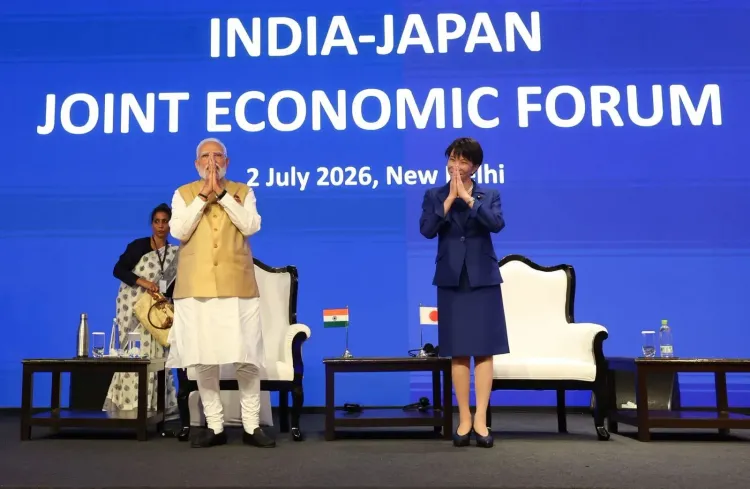
Synopsis
Union Petroleum Minister Hardeep Singh Puri on 2 July 2026 hailed a Joint Statement on Energy Resilience between PM Modi and Japanese PM Takaichi, covering stockpiling, market stabilisation and resilient maritime energy transport — moves that reinforce India's energy security and shipbuilding ambitions.
Key Takeaways
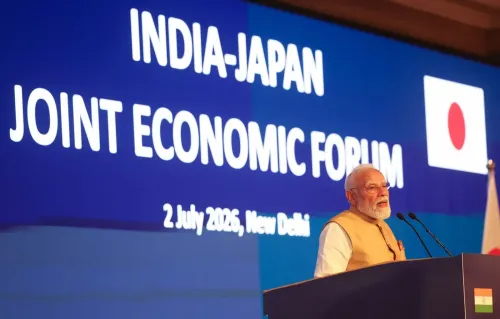
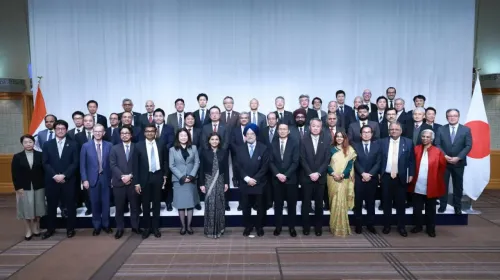
India and Japan issued a Joint Statement on Energy Resilience during the bilateral summit between PM Narendra Modi and Japanese PM Sanae Takaichi .
The agreement covers three pillars: joint stockpiling , market information-sharing , and coordinated market stabilisation mechanisms.
Both nations reaffirmed commitment to energy availability and affordability, aiming to strengthen the collective voice of oil and gas-consuming countries.
Cooperation on resilient maritime energy transport is explicitly linked to India's shipbuilding ambitions .
The Ministry of Petroleum, Ministry of External Affairs and Ministry of Shipping are all engaged, signalling a multi-ministry implementation framework.
India-Japan energy cooperation has been deepening since annual summits were institutionalised in 2006 and ministerial Energy Dialogues began in 2010 .
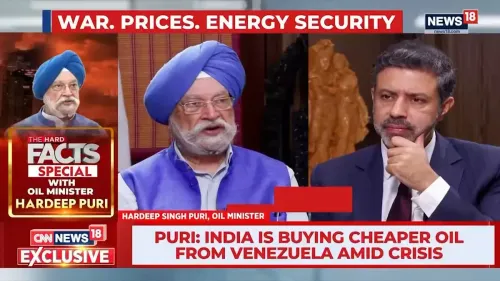
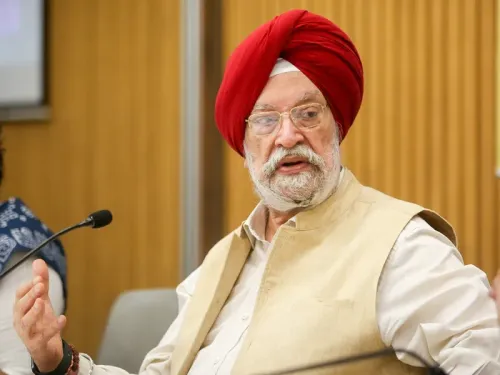
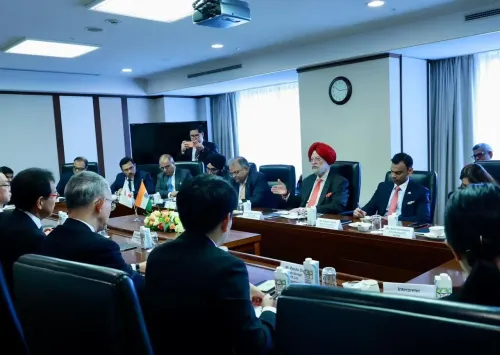
Union Petroleum Minister Hardeep Singh Puri on 2 July 2026 welcomed a landmark Joint Statement on Energy Resilience issued between Prime Minister Narendra Modi and Japanese Prime Minister Sanae Takaichi, describing it as a significant step forward in India-Japan energy ties that will strengthen the voice of oil and gas-consuming nations globally.
Context
Puri called the joint statement 'momentous', noting that the two nations reaffirmed the importance of cooperation to address 'shared challenges of energy availability and affordability.' The statement covers supply assurance, resilience-building and mechanisms to mitigate market volatility. As he put it, the agreement aims at 'strengthening the voice of oil and gas-consuming countries' — a direct reference to the leverage that large importers can exercise when they coordinate.
Both India and Japan rank among the world's largest energy consumers and importers, making them structurally vulnerable to supply shocks and price swings driven by geopolitical disruptions. Their convergence on market stabilisation reflects a shared strategic interest in reducing that vulnerability.
Policy Backdrop
India-Japan annual summits were institutionalised in 2006 as the cornerstone of their special strategic and global partnership, and ministerial-level Energy Dialogues have been held regularly since 2010. India launched its Strategic Petroleum Reserves programme in 2004 to build emergency stockpiles, and the two countries have progressively deepened cooperation on market transparency and supply-chain resilience within that framework.
The new joint statement advances three concrete pillars: joint stockpiling, market information-sharing, and coordinated efforts for market stabilisation. Each pillar addresses a distinct vulnerability — physical reserve adequacy, data asymmetry, and price volatility — that large consuming nations face when global supply tightens.
Stakeholders and Impact
Puri specifically highlighted the maritime dimension, stating that 'cooperation on resilient maritime energy transport builds on my visit to Japan last year and will boost India's shipbuilding ambitions.' This connects the energy security agenda directly to India's domestic industrial policy, particularly the government's push to expand indigenous shipbuilding capacity.
The agreement has implications beyond the bilateral relationship. By coordinating stockpiling and market-stabilisation mechanisms, India and Japan position themselves as a counterweight to supply-side producers in shaping global energy market dynamics. Other large Asian importers — including South Korea and Southeast Asian nations — could benefit from or align with the framework over time.
What's Next
Implementation of the maritime energy transport cooperation and market-stabilisation mechanisms will be the key test of the joint statement's ambitions. Progress is expected to be reviewed at the next annual India-Japan summit and potentially within Quad-related energy discussions. The Ministry of Petroleum and Natural Gas, the Ministry of External Affairs and the Ministry of Ports, Shipping and Waterways are all tagged in Puri's post, signalling a whole-of-government approach to execution.
For India's energy sector, the agreement marks a continuation of the country's strategy of building a coalition of like-minded consuming nations to reduce dependence on any single supply corridor and insulate domestic consumers from global price shocks.
Point of View
But by coordinating demand-side responses. For Puri, who has consistently championed the rights of consuming nations in forums such as the International Energy Forum, this bilateral framework is an extension of that diplomatic project. The maritime transport plank is particularly significant: it ties energy security to domestic industrial ambition, giving the shipbuilding push a strategic rationale beyond commerce. If the implementation mechanisms take shape, this could become a template for a broader coalition of Asian energy consumers.
NationPress
2 Jul 2026
Frequently Asked Questions
What is the India-Japan Joint Statement on Energy Resilience?
It is a bilateral agreement issued during the summit between PM Narendra Modi and Japanese PM Sanae Takaichi, committing both countries to cooperation on energy stockpiling, market information-sharing, market stabilisation and resilient maritime energy transport.
What did Hardeep Singh Puri say about the India-Japan energy agreement?
Puri called it 'momentous' and said it marks a significant step forward in India-Japan energy ties, particularly praising its focus on strengthening the collective voice of oil and gas-consuming countries and its link to India's shipbuilding ambitions.
How does the India-Japan energy deal affect India's shipbuilding sector?
The joint statement includes cooperation on resilient maritime energy transport, which Puri directly linked to boosting India's shipbuilding ambitions, giving the domestic industry a strategic energy-security rationale.
What is India's history of energy cooperation with Japan?
India and Japan have held annual summits since 2006 and ministerial-level Energy Dialogues since 2010. The 2011 Comprehensive Economic Partnership Agreement also included provisions for energy trade, and both countries have progressively coordinated on stockpiling and market transparency.
Why are India and Japan cooperating on oil and gas market stabilisation?
As two of the world's largest energy consumers and importers, both nations are vulnerable to global supply shocks and price volatility. By coordinating on stockpiling and market information, they aim to reduce that vulnerability and amplify the influence of consuming countries in global energy markets.