PM Modi Addresses India-Japan Joint Economic Forum with PM Takaichi
Synopsis
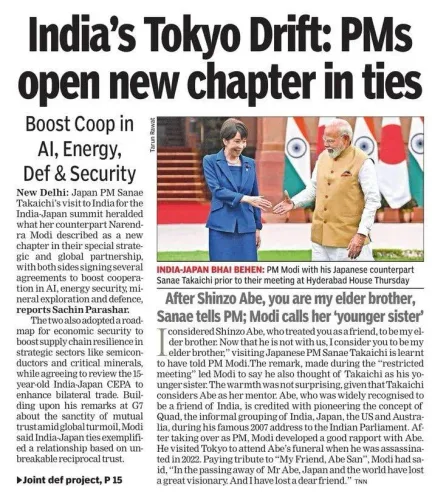
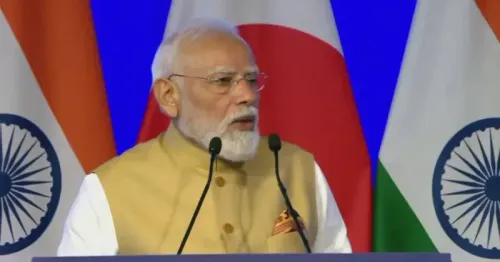
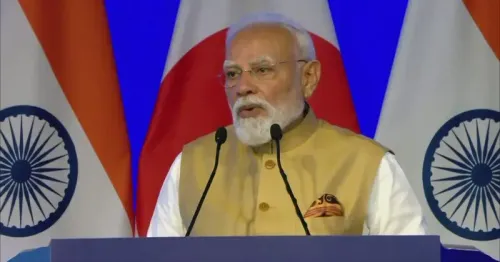
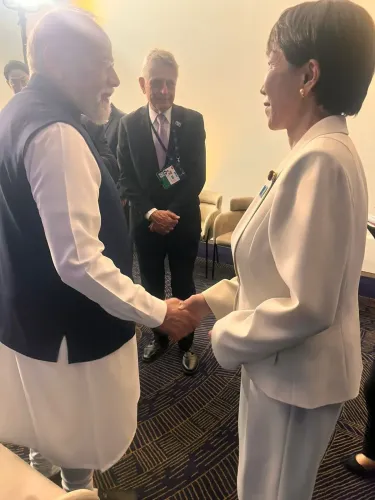
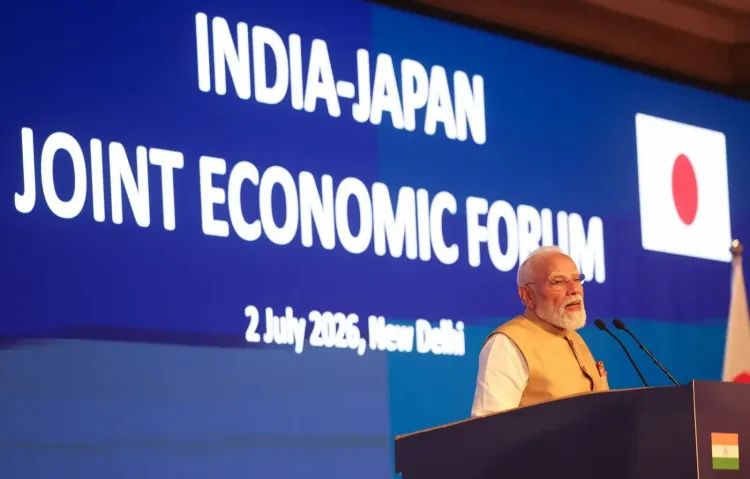
Prime Minister Narendra Modi and Japanese PM Sanae Takaichi jointly addressed the India-Japan Joint Economic Forum on 2 July 2026, engaging business leaders from both nations. Modi hailed the enterprise and innovation of participants as a driver of new momentum in the longstanding India-Japan economic partnership.
Key Takeaways
PM Modi and Japanese PM Sanae Takaichi co-addressed the India-Japan Joint Economic Forum on 2 July 2026 .
The forum is a bilateral platform bringing together government leaders and business representatives from both countries.
India and Japan have held annual prime ministerial summits since 2006 under their Strategic Partnership framework.
The India-Japan CEPA , signed in 2011 , remains the cornerstone trade agreement governing bilateral commerce.
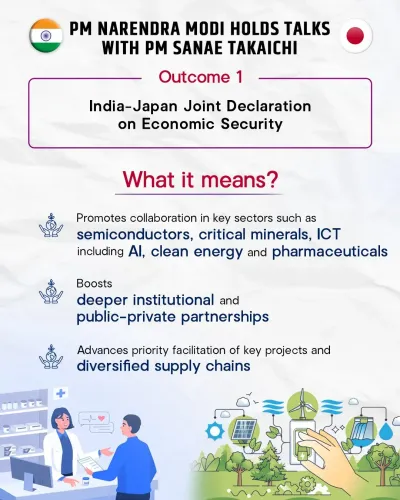
Key sectors of Japan-India cooperation include manufacturing, railways, digital infrastructure, and technology transfer.
The interaction signals continued high-level political commitment to deepening the bilateral economic relationship.
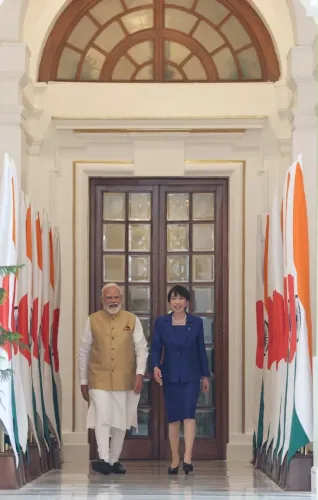
Prime Minister Narendra Modi on Thursday, 2 July 2026, addressed the India-Japan Joint Economic Forum alongside Japanese Prime Minister Sanae Takaichi, engaging with business leaders from both nations to strengthen bilateral economic ties.
Context
Modi described the interaction as 'gladdening', noting that the enterprise and innovation of business leaders from both countries 'continue to add new momentum to the India-Japan economic partnership.' The joint forum brought together government heads and private-sector representatives to discuss trade, investment, and economic cooperation between the two nations.
The forum is a key bilateral platform that complements the annual prime ministerial summits held between India and Japan since 2006, when the two countries formalised their Strategic Partnership.
Policy Backdrop
India and Japan have built a deepening economic relationship over more than two decades, anchored by the India-Japan Comprehensive Economic Partnership Agreement (CEPA) signed in 2011, which liberalised bilateral trade in goods, services, and investment. The agreement was a landmark step in reducing tariffs and expanding market access on both sides.
Successive summits — particularly those in 2014 and 2017 — saw Japan commit significant financing toward infrastructure and technology cooperation with India. Japanese capital has flowed into sectors such as manufacturing, high-speed railways, and digital infrastructure, largely under the framework of India's Act East Policy, which prioritises engagement with East and Southeast Asian economies.
Regular high-level economic forums of this nature have been instrumental in sustaining commercial momentum between political summits, giving business communities from both sides a structured channel to raise concerns and explore new opportunities.
Stakeholders and Impact
Indian businesses and Japanese investors stand as the primary stakeholders of the forum's outcomes. For Indian industry, Japan represents a critical source of technology transfer, long-term infrastructure financing, and high-value manufacturing partnerships.
For Japanese firms, India's large consumer market, expanding middle class, and government-backed manufacturing push — including the Production Linked Incentive (PLI) schemes — offer significant growth potential. Business leaders attending such forums typically include representatives from sectors like automotive, electronics, pharmaceuticals, and infrastructure.
What's Next
The next India-Japan annual summit will be closely watched for any follow-up announcements on investment facilitation, new sector-specific working groups, or enhanced cooperation frameworks that may have been discussed on the sidelines of the forum.
The engagement between Modi and Takaichi signals that high-level political commitment to the bilateral relationship remains firm, and any concrete deliverables — whether in infrastructure financing, technology, or trade facilitation — are likely to be formalised at the next summit-level meeting.
Point of View
India's deepening engagement with Japanese capital and technology carries implications well beyond bilateral trade figures. The forum reinforces India's Act East Policy as a live, high-priority framework rather than a declaratory position.
NationPress
1 Oct 2026
Frequently Asked Questions
What is the India-Japan Joint Economic Forum?
The India-Japan Joint Economic Forum is a bilateral platform that brings together government leaders and business representatives from both India and Japan to discuss trade, investment, and economic cooperation between the two countries.
Who is Sanae Takaichi?
Sanae Takaichi is a Japanese politician and member of the Liberal Democratic Party who has served in multiple cabinet roles, including as minister for internal affairs and communications. She is referenced in the post as Japan's Prime Minister at the time of the forum.
What is the India-Japan Comprehensive Economic Partnership Agreement?
The India-Japan Comprehensive Economic Partnership Agreement (CEPA) is a trade agreement signed in 2011 that reduced tariffs and expanded market access across goods, services, and investment between the two countries.
How long have India and Japan held annual summits?
India and Japan have held annual prime ministerial summits since 2006 , when the two countries formalised their Strategic Partnership framework encompassing economic, security, and technological collaboration.
What sectors does India-Japan economic cooperation cover?
India-Japan economic cooperation spans sectors including manufacturing, high-speed railways, digital infrastructure, and technology transfer, with Japanese capital channelled through frameworks like India's Act East Policy.